
Table of Contents
- Why Preventative Maintenance Matters for Agricultural Trucks
- Essential Fluid Level Checks and Oil Changes
- Tire Pressure, Tread Depth, and Brake System Inspections
- Air and Fuel Filter Replacement Schedule
- Battery Health, Corrosion, and Electrical Systems
- Agricultural Truck Service Checklist and Lubrication Points
- NHVR Heavy Vehicle Maintenance Standards and Compliance
- Seasonal Maintenance Cycles and DIY vs Professional Servicing
Last Updated: August 22, 2026
Why Preventative Maintenance Matters for Agricultural Trucks
Downtime costs money. When your truck stops working during harvest, every hour away from the paddock translates to lost productivity and revenue. Preventative maintenance catches problems before they become expensive repairs. A worn brake pad costs a fraction of a complete brake system failure. A fluid top-up takes minutes; an engine seizure takes weeks and thousands of dollars.
Agricultural trucks work harder than most vehicles. They carry heavy loads, operate in dusty conditions, traverse rough terrain, and run long hours during peak seasons. The Mallee region’s hot summers and variable conditions add additional stress to mechanical systems. Without structured maintenance, you’re gambling with reliability.
This guide covers what preventative maintenance for agricultural trucks involves, how to identify what needs attention, when to do it yourself versus calling a professional, and how to stay compliant with regulatory standards.
Essential Fluid Level Checks and Oil Changes
Engine oil lubricates moving parts, reduces friction, and regulates engine temperature. Check oil levels every two weeks during active use, more frequently during heavy harvest work.
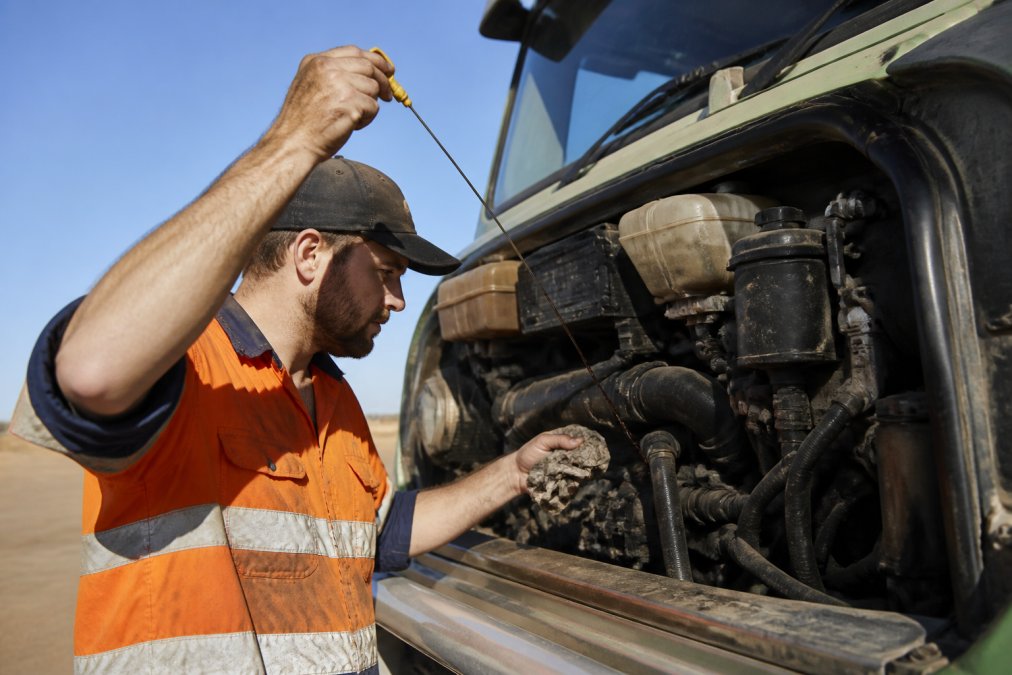
Park on level ground, wait five minutes after running the engine, pull the dipstick, wipe it clean, reinsert fully, then pull it out again to read the level. Oil should sit between minimum and maximum marks. Top up with the correct grade if low.
Oil changes follow a schedule. Most agricultural trucks need an oil change every 5,000 to 10,000 kilometres or every three months, whichever comes first. Heavy use during busy seasons might require more frequent changes. Always use the oil grade specified in your truck’s manual.
Check other critical fluids regularly:
- Coolant levels prevent overheating, especially important in summer heat
- Brake fluid should be clear; dark or cloudy fluid indicates contamination
- Hydraulic fluid needs checking for leaks and level
- Power steering fluid keeps steering responsive
Leaks are warning signs. Small leaks often indicate worn seals or loose connections, fixable if caught early.
Is Synthetic Oil Worth It for Farm Vehicles?
Synthetic oil costs more upfront but lasts significantly longer than conventional oil. Synthetic offers longer intervals between changes (often 10,000 to 15,000 kilometres), better performance in extreme temperatures, and superior protection under heavy load (peer-reviewed research). For newer trucks or intensive operations, synthetic makes financial sense over time.
Conventional oil is cheaper per litre but requires more frequent changes. For older trucks or lighter-duty use, conventional keeps costs down without sacrificing reliability. Follow your truck’s manual recommendation first, then decide whether longer intervals justify the higher cost for your operation.
Tire Pressure, Tread Depth, and Brake System Inspections
Check tire pressure when tires are cold using an accurate pressure gauge. Refer to the placard on your driver’s door jamb or the truck’s manual for correct pressure. Underinflated tyres wear faster and increase rolling resistance. Overinflated tyres reduce traction and create uneven wear.
Tread depth determines grip, especially on farm tracks and in wet conditions. Use the 20-cent coin test: insert a coin into the tread groove. If you can see the top of the coin, tread is too shallow and replacement is needed. Worn tyres reduce braking ability and increase hydroplaning risk.
The brake system is critical for safety. Brake inspections should happen annually at minimum, more frequently if towing or operating in hilly terrain. Listen for squealing or grinding noises, which indicate worn pads or damaged rotors. A soft or spongy brake pedal suggests air in the system or fluid contamination.
Brake pad thickness should be checked visually through the wheel. Most pads have a wear indicator that contacts the rotor when replacement is due. Brake fluid should be flushed and replaced according to your truck’s schedule (typically every two years) because it absorbs moisture, which reduces braking performance.
Air and Fuel Filter Replacement Schedule
Air filters prevent dust and contaminants from entering the engine. In the Mallee’s dusty environment, air filters need more frequent replacement. A clogged air filter reduces engine efficiency and increases fuel consumption. Check the filter every month during heavy use; replace when visibly dirty.
Fuel filters protect the fuel system and injectors from contamination. A blocked fuel filter starves the engine of fuel, causing poor starting, rough idling, or loss of power. Fuel filters typically need replacement every 10,000 to 15,000 kilometres, but dusty conditions warrant more frequent checks.
Cabin air filters (if your truck has one) prevent dust from entering the cab. Replace them annually or more often in particularly dusty conditions. The cost of replacing filters is minimal compared to engine damage from contamination.
Battery Health, Corrosion, and Electrical Systems
Test battery voltage monthly using a multimeter or have it tested at a service centre. A healthy battery should read around 12.6 volts when the engine is off.
Corrosion on battery terminals reduces electrical connection and starting power. White, blue, or green crusty deposits indicate corrosion. Clean terminals with a wire brush and baking soda solution. Disconnect the negative terminal first, clean both terminals and cable connectors, then reconnect.
Check battery cable connections are tight. Loose connections create resistance and reduce starting power. Battery age matters too; most batteries last three to five years. If your battery is approaching four years old and starting is sluggish, replacement is worth considering before failure strands you.
Inspect wiring for damage, loose connections, or corrosion. Faulty electrical connections can cause intermittent problems that are difficult to diagnose.
Agricultural Truck Service Checklist and Lubrication Points
A structured checklist ensures nothing gets overlooked:
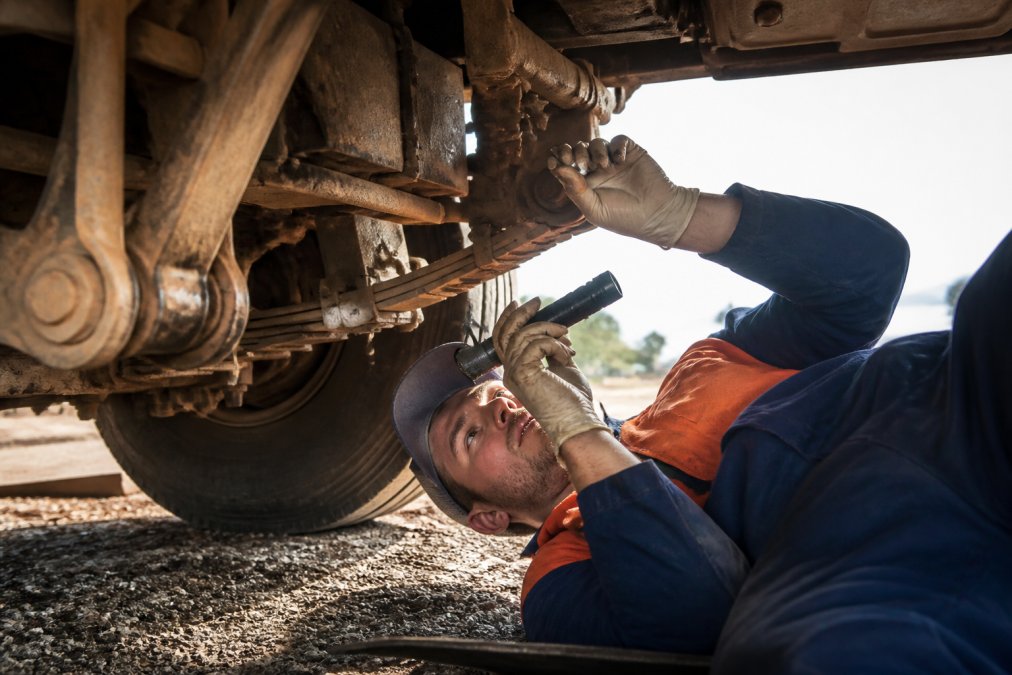
Monthly Checks (or before heavy use):
- Engine oil level
- Tyre pressure and visible tread depth
- Brake fluid colour and level
- Battery voltage and terminal corrosion
- Lights (headlights, brake lights, indicator lights)
- Windscreen wipers and washer fluid
- Visual inspection for leaks under the truck
Every 5,000-10,000 kilometres (or quarterly):
- Oil and filter change
- Air filter inspection and replacement if needed
- Fuel filter inspection
- Brake pad thickness check
- Coolant level check
- Visual inspection of suspension components
Annually (or before peak season):
- Full brake system inspection
- Battery load test
- Tyre rotation and alignment check
- Fluid flush (brake fluid, hydraulic fluid if applicable)
- Hose inspection for cracks or leaks
- Lubrication of all grease points
Lubrication points prevent wear and corrosion. Common lubrication points include steering linkage, ball joints, suspension bushings, driveshaft universal joints, and gate hinges. Use a grease gun with the correct grade of grease (usually lithium-based). Apply grease until you see it beginning to ooze from the joint. Lubrication prevents rust, reduces noise, and extends component life.
Create a simple log to record maintenance performed. Note dates, kilometres, what was done, and who did it. This record helps identify patterns and provides evidence of compliance if regulatory inspections occur.
NHVR Heavy Vehicle Maintenance Standards and Compliance
Heavy vehicle maintenance is regulated. The National Heavy Vehicle Regulator (NHVR) sets standards for heavy vehicle safety and maintenance in Australia. Agricultural trucks exceeding certain weight thresholds fall under these regulations, and compliance is mandatory.
Chain of responsibility legislation means you’re accountable for the safety of your vehicle. If a vehicle is found unsafe during inspection, you can face penalties and the vehicle can be taken off the road.
Key regulatory requirements include:
- Regular mechanical inspections documented in maintenance records
- Brakes must be inspected and certified as safe
- Tyres must meet minimum tread depth (1.6mm across the tread)
- Lights and reflectors must be functional
- Steering and suspension systems must be safe
- Engine and emission systems must comply with standards
Roadworthiness certificates may be required depending on your truck’s age and weight. Documentation is critical; inspectors will ask to see maintenance logs. If records are incomplete, compliance becomes difficult to prove.
Seasonal Maintenance Cycles and DIY vs Professional Servicing
Agricultural work is seasonal. Maintenance needs shift with the seasons.
Spring (before planting season):
Change oils and filters, inspect brakes thoroughly, check all fluid levels, rotate tyres, and test the battery.
Summer (peak season):
Increase inspection frequency. Check fluid levels more often as heat increases consumption. Monitor tyre condition closely because heavy loads and high temperatures accelerate wear.
Autumn (post-harvest):
Conduct a comprehensive inspection. Address any issues that developed during the busy season. Clean the truck thoroughly to remove dust and debris that accelerate corrosion.
Winter (off-season):
If your truck sits for extended periods, top up all fluids, apply protective coatings to exposed metal, disconnect the battery if storing for more than a month, and park on level ground. Before returning to use, conduct a full pre-season inspection.
DIY vs Professional Servicing
Some maintenance tasks are straightforward and safe to perform yourself. Fluid checks, filter replacements, and lubrication save money and keep you familiar with your truck’s condition.
Other work requires professional expertise and equipment. Brake system work, electrical diagnostics, and suspension repairs need proper tools and knowledge to do safely. A hybrid approach works well for many farmers: handle simple checks and routine maintenance yourself, use a professional service centre for complex work and annual inspections.
The key is consistency. Whether you service the truck yourself or use a professional, maintain a regular schedule and document everything. Preventative maintenance performed on schedule costs far less than emergency repairs and keeps your truck reliable when you need it most.
Keeping agricultural trucks reliable requires commitment to preventative maintenance. The schedule is an investment that pays dividends through reduced downtime, lower repair costs, and safer operations. Whether you’re managing a single truck or a fleet, regular fluid checks, tyre inspections, brake system care, and lubrication prevent most failures before they happen.
At Mallee Auto & Agricultural Services in Mildura, our skilled mechanics understand the demands agricultural trucks face. We provide comprehensive preventative maintenance, modern diagnostic tools to identify issues early, and fair pricing with transparent service records. Book Now and experience the difference professional maintenance makes.
Frequently Asked Questions
What maintenance needs to be done on an agricultural truck?
Core maintenance includes fluid level checks (engine oil, coolant, hydraulic fluid), tire pressure and tread inspection, brake system checks, air and fuel filter replacement, battery health testing, and lubrication of joints and bearings. Preventative maintenance for agricultural trucks also covers belt and hose inspection, electrical system checks, and compliance with NHVR heavy vehicle maintenance standards. A comprehensive agricultural truck service checklist ensures all critical components are monitored regularly to prevent mechanical failure and downtime during busy seasons.
Is synthetic oil worth it for farm vehicles?
Yes, synthetic oil offers significant benefits for farm vehicles operating in harsh conditions. It provides superior protection against heat, dust, and extended intervals between changes, reducing downtime during critical harvest periods. Synthetic oil maintains viscosity better in temperature extremes common in regional areas and resists oxidation longer than conventional oil. For heavy-duty agricultural trucks running long hours under load, the investment in synthetic oil typically pays for itself through extended service intervals and improved engine reliability, making it worthwhile for most farming operations.
How often should I service my agricultural truck for optimal performance?
Service intervals depend on usage intensity and local conditions. Most agricultural trucks benefit from servicing every 10,000-15,000 km or every 6 months, whichever comes first. During busy seasons with heavy use, more frequent checks of fluid levels, tire condition, and brake wear are essential. Seasonal maintenance cycles should account for increased workload during harvest and planting. Consult your vehicle manufacturer's schedule and adjust based on dust exposure and operating temperatures in your region. Professional servicing ensures compliance with NHVR requirements and identifies wear before it causes costly breakdowns.
What should I check myself versus leave to a professional mechanic?
You can safely check fluid levels, tire pressure, battery terminals, and inspect visible wear on belts and hoses monthly. However, brake system diagnostics, hydraulic system pressure testing, electrical fault diagnosis, and compliance verification should be handled by professionals with modern diagnostic tools. Agricultural trucks often have complex hydraulic and electrical systems where DIY diagnosis can miss critical safety issues. Professional servicing ensures roadworthiness certification and chain of responsibility compliance, protecting both your operation and other road users. Budget for professional inspections at least twice yearly to catch problems early.
This article was written using GrandRanker
