
Table of Contents
- Why Regular Logbook Servicing Matters
- Benefit 1: Maintains Your New Car Warranty
- Benefit 2: Catches Small Problems Before They Become Expensive
- Benefit 3: Improves Vehicle Safety and Reliability
- Benefit 4: Maximises Fuel Efficiency and Performance
- Benefit 5: Protects Your Vehicle’s Resale Value
- Benefit 6: Reduces Unexpected Breakdowns and Downtime
- Logbook Service vs Standard Service: What’s the Difference?
Last Updated: August 24, 2026
Why Regular Logbook Servicing Matters
A well-maintained vehicle is a reliable vehicle. When you stick to your manufacturer’s logbook servicing schedule, you’re not just following a recommendation, you’re protecting one of your largest assets. Regular logbook servicing keeps your car running smoothly, safely, and efficiently while safeguarding your warranty and resale value. At Mallee Auto & Agricultural Services in Mildura, the benefits of regular logbook servicing for your vehicle extend far beyond routine maintenance. They form the foundation of responsible vehicle ownership.
The difference between a car that runs trouble-free for a decade and one that leaves you stranded on the roadside often comes down to one thing: consistency. Logbook servicing isn’t optional if you want to avoid expensive repairs, maintain your warranty, and keep your vehicle performing at its best. This guide walks through exactly why staying on top of your logbook service schedule matters, what each service accomplishes, and how it protects you in ways most vehicle owners don’t fully appreciate.
Regular logbook servicing maintains your warranty, catches problems early, improves safety, and maximises resale value, making it one of the smartest investments you can make in your vehicle.
Benefit 1: Maintains Your New Car Warranty
Your new car warranty is only as good as your service records. Manufacturers require logbook servicing at specified intervals, and if you skip services or use an unauthorised repairer, you risk voiding coverage entirely (accc.gov.au). This isn’t a minor detail; it’s the difference between a manufacturer covering a major repair and you paying thousands out of pocket.
When you complete logbook servicing on schedule, you’re creating a documented proof trail that you’ve maintained the vehicle according to manufacturer specifications. If something fails under warranty, you have evidence that you’ve done your part. Conversely, if your logbook is incomplete or shows missed services, the manufacturer can refuse a warranty claim, even if the failure wasn’t caused by the missed service.
The cost of a single logbook service is a fraction of what you’d pay for an unwarranted repair. A transmission failure, engine problem, or suspension issue that would normally be covered can cost tens of thousands of dollars if your warranty is void. For vehicle owners in Mildura and across the Mallee region, maintaining logbook records is non-negotiable protection.
At Mallee Auto & Agricultural Services, we ensure every service is recorded properly in your logbook, giving you the documentation you need to protect your warranty claim if it ever becomes necessary.
Skipping a single scheduled logbook service can void your entire warranty. Manufacturers take service compliance seriously, and gaps in your logbook give them grounds to refuse coverage on major repairs.
Benefit 2: Catches Small Problems Before They Become Expensive
A logbook service isn’t just about oil changes and filter replacements. It’s a structured inspection that identifies emerging issues before they escalate into costly failures. During a logbook service, your mechanic checks fluid levels, examines belts and hoses, inspects brake components, and runs diagnostics on critical systems. Many problems that would cost thousands to fix are caught and resolved for a fraction of that price when identified early.
Consider a worn brake pad. Caught during a logbook service, it’s a straightforward replacement. Ignored until the pad wears through to the rotor, you’re now replacing both pads and rotors, and potentially dealing with damage to the brake calliper. The difference in cost can be hundreds of dollars. The same principle applies to suspension wear, coolant leaks, transmission fluid condition, and engine performance issues.
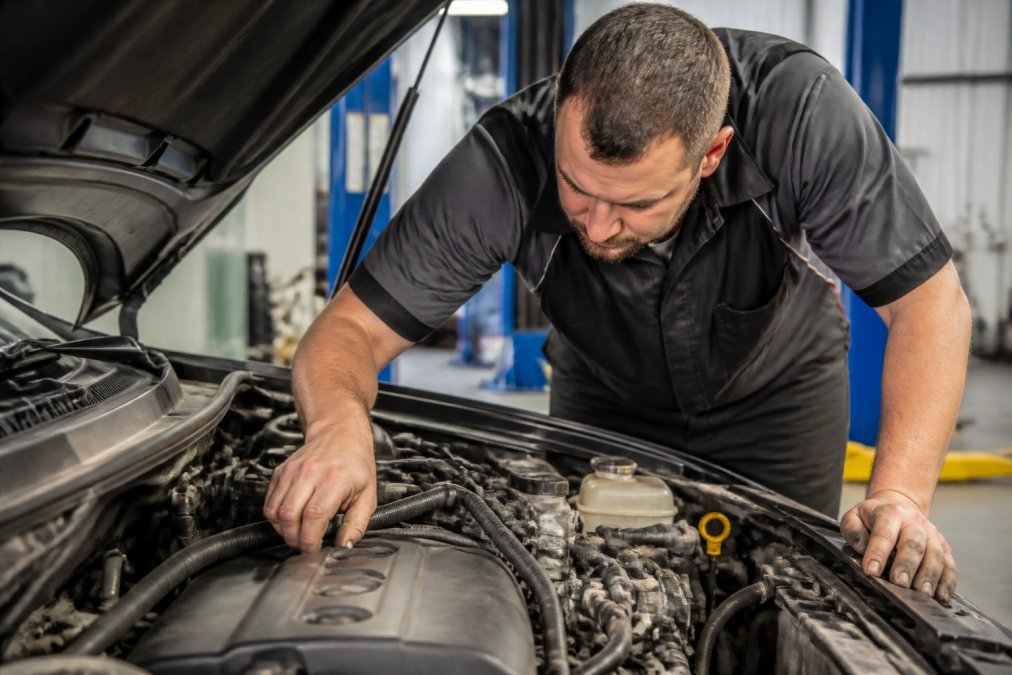
Regular servicing creates a maintenance history that reveals patterns. If your mechanic notices fluid consumption increasing or a component wearing faster than expected, they can investigate before catastrophic failure occurs. This preventative approach is far more cost-effective than emergency repairs. For farmers and agricultural business owners in the Mallee region, catching tractor or truck problems early means avoiding harvest downtime, a cost that far exceeds the service itself.
Many vehicle owners delay servicing to save money, only to face repair bills five times larger. A logbook service costs a fraction of what you’ll pay when a neglected problem becomes a breakdown.
Benefit 3: Improves Vehicle Safety and Reliability
Your brakes, tyres, steering, and suspension aren’t just comfort features, they’re safety systems. A logbook service includes systematic checks of all safety-critical components. Brake fluid condition, brake pad thickness, tyre tread depth, suspension play, and steering response are all inspected and documented. These checks ensure your vehicle stops reliably, handles predictably, and keeps you and your passengers safe on the road.
Safety degradation is often gradual and invisible to the driver. Your brakes might feel normal even as pad thickness decreases to dangerous levels. Your tyres might look acceptable even as tread depth approaches the legal minimum. Your suspension might feel stable even as components wear. A structured logbook service catches these changes before they become hazardous.
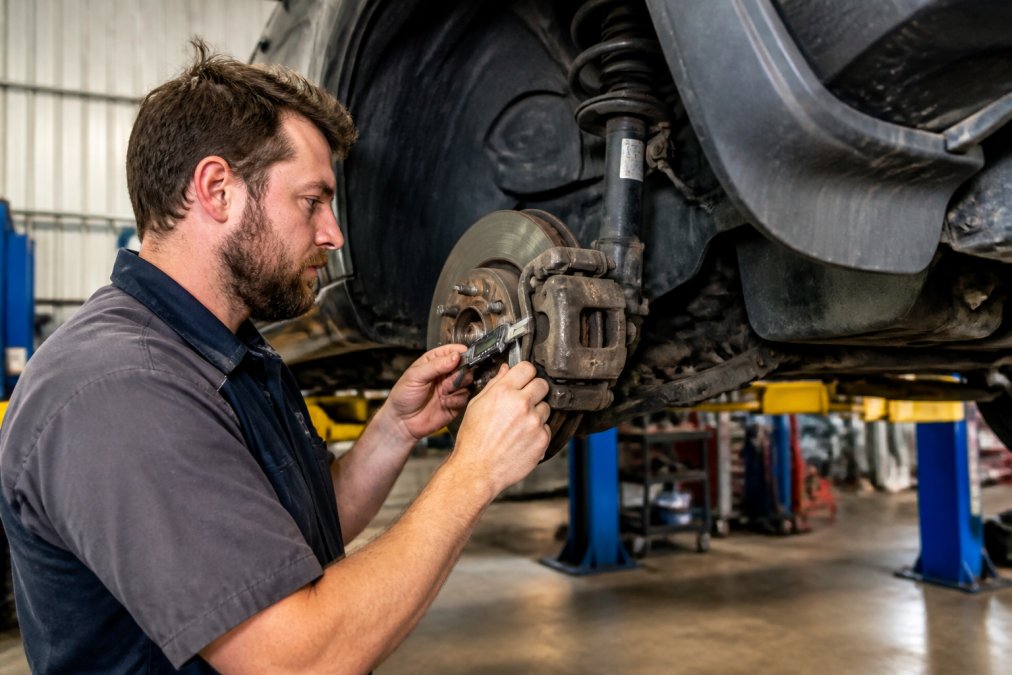
Reliability goes hand-in-hand with safety. A vehicle that breaks down unexpectedly creates risk, you might be stranded in poor weather, on a busy road, or far from help. Regular logbook servicing reduces the likelihood of unexpected failure by maintaining engine performance, transmission function, cooling system integrity, and electrical system reliability. For vehicle owners in Mildura who drive long distances to regional centres or work in remote areas, reliability isn’t a luxury, it’s essential.
Benefit 4: Maximises Fuel Efficiency and Performance
A well-serviced engine runs more efficiently than a neglected one. When your air filter is clean, your spark plugs are fresh, your fuel injectors are functioning properly, and your engine oil is at the correct viscosity, combustion is optimised. This translates directly to better fuel economy and more responsive performance.
Over time, engines accumulate carbon deposits, fuel injectors become less efficient, and engine oil degrades. These changes are gradual, you might not notice them, but they accumulate. Your fuel consumption creeps up. Your acceleration feels slightly sluggish. Your engine runs hotter than it should. A logbook service reverses these trends by restoring your engine to manufacturer specifications.
The fuel savings alone often offset the cost of regular servicing. If your vehicle consumes 10% more fuel due to poor maintenance, and you drive 15,000 kilometres per year, those extra litres add up quickly. Beyond fuel costs, better engine performance means smoother acceleration, more reliable cold starts, and reduced strain on the transmission and drivetrain. For agricultural machinery and heavy vehicles, this efficiency translates to lower operating costs across your entire fleet.
Benefit 5: Protects Your Vehicle’s Resale Value
When you sell or trade in your vehicle, the first question buyers ask is: "Do you have the service history?" A complete logbook with all scheduled services documented is proof that the vehicle has been maintained properly. Vehicles with full service histories command higher resale prices, sometimes thousands of dollars more, than identical vehicles with incomplete records.
Buyers understand that a well-serviced vehicle is less likely to have hidden problems. They’re willing to pay a premium for that assurance. A vehicle with gaps in its service history raises red flags. Potential buyers wonder what was neglected, whether hidden damage exists, and what problems might emerge after purchase. This uncertainty drives down the offer price.
For vehicle owners in the Mallee region who rely on their vehicles for work, protecting resale value is a practical investment. A ute, truck, or tractor with a complete logbook can be sold or traded for significantly more than one without documentation.
A complete service history can increase your vehicle’s resale value. That’s thousands of dollars in additional value for the cost of staying on schedule.
Benefit 6: Reduces Unexpected Breakdowns and Downtime
Unexpected breakdowns are expensive, inconvenient, and sometimes dangerous. They disrupt your plans, cost you time, and often result in emergency repair bills that are higher than scheduled maintenance would have been. For farmers and agricultural business owners, a breakdown during critical periods like harvest can cost thousands in lost productivity.
Regular logbook servicing dramatically reduces the likelihood of unexpected failure. By maintaining all systems according to manufacturer specifications, you’re preventing the conditions that lead to breakdowns. Worn belts don’t snap. Fluid leaks are caught before they cause overheating or transmission failure. Electrical issues are identified before they leave you stranded. Battery condition is monitored before it fails at the worst possible moment.
The reliability that comes from consistent servicing gives you peace of mind. You can plan your trips without worry. You can depend on your vehicle for work without fear of unexpected downtime. For vehicle owners in Mildura who use their vehicles for business, whether it’s farming, contracting, or regular commuting, this reliability is invaluable.
Logbook Service vs Standard Service: What’s the Difference?
A logbook service and a standard service might sound like the same thing, but they’re not. Understanding the difference is important for protecting your warranty and maintaining your vehicle properly.
A logbook service follows your vehicle’s manufacturer-specified service schedule exactly. It includes only the maintenance items your manufacturer recommends at each interval. These services are documented in your vehicle’s logbook, creating an official record that proves warranty compliance. Logbook services are mandatory if you want to maintain your manufacturer’s warranty. The specific items serviced, and the intervals between services, vary depending on your vehicle’s make, model, engine type, and year.
A standard service is more general maintenance that might include oil and filter changes, fluid top-ups, and basic inspections, but it doesn’t necessarily follow the manufacturer’s exact specifications. A standard service might include items your vehicle doesn’t need at that particular interval, or it might miss items that your manufacturer recommends. Standard services aren’t documented in your logbook and don’t provide warranty protection.
The key difference is compliance and documentation. Logbook servicing ensures your vehicle is maintained exactly as the manufacturer specifies, and the proof is recorded in your logbook. This is what protects your warranty and maintains your vehicle’s resale value. Standard servicing might be cheaper initially, but it doesn’t provide the same protection or documentation.
For vehicle owners in Mildura, the choice is clear: stick with logbook servicing. The small additional cost is worth the warranty protection, the documented maintenance history, and the peace of mind that comes from knowing your vehicle is being maintained to manufacturer specifications.
At Mallee Auto & Agricultural Services, we specialise in logbook servicing for all vehicle types, cars, motorcycles, tractors, and farm equipment. Our skilled mechanics follow manufacturer specifications precisely, and we maintain complete records to protect your warranty. Whether you’re a pensioner looking for reliable, affordable servicing or an agricultural business owner needing expert diagnostics on heavy machinery, we understand what matters to vehicle owners in the Mallee region.
Regular logbook servicing is one of the smartest decisions you can make as a vehicle owner. It protects your warranty, prevents expensive repairs, improves safety, maximises fuel efficiency, preserves resale value, and reduces unexpected breakdowns. The cost of staying on schedule is minimal compared to the cost of neglect. When you’re ready to experience the difference that consistent, professional servicing makes, Mallee Auto & Agricultural Services is here to help. Book now and discover why vehicle owners across Mildura and the Mallee region trust us with their cars, motorcycles, tractors, and farm equipment.
=== FAQ ANSWERS (audit these too, same rules) ===
[1] Q: What is included in a logbook service in Australia?
A: A logbook service follows your vehicle manufacturer’s specifications exactly as outlined in your service logbook. It typically includes oil and filter changes, fluid top-ups, inspection of brakes and suspension, filter replacements, and any other checks specified by the manufacturer for that service interval. The specific items depend on your vehicle’s make, model, and age. Technicians record all work completed in your logbook to maintain warranty compliance and create a complete service history.
[2] Q: Does logbook servicing void my new car warranty?
A: No. In fact, regular logbook servicing is essential to maintain your new car warranty. Under Australian Consumer Law, you are not required to have your car serviced by an authorised dealer to maintain your manufacturer warranty, provided the service is performed by a qualified professional, uses fit-for-purpose parts, and follows the manufacturer’s specifications (accc.gov.au). Skipping logbook services or using non-approved service centres can affect your warranty. Logbook servicing performed by qualified workshops ensures you stay covered under the statutory warranty and any manufacturer’s extended warranty you may have purchased.
[3] Q: How often should I get a logbook service for my vehicle?
A: Service intervals vary by manufacturer and vehicle type. Most modern cars require logbook servicing every 10,000 to 15,000 kilometres or every 6 to 12 months, whichever comes first (aaa.asn.au). Some newer vehicles can go longer between services. Check your service logbook or owner’s manual for your vehicle’s specific schedule. Following the recommended intervals helps catch potential issues early and maintains warranty protection.
[4] Q: How much does a logbook service cost in Mildura?
A: Logbook servicing costs vary depending on your vehicle’s make, model, and the specific work required. Factors include engine type, service interval, and whether additional repairs are needed. For current pricing and a personalised quote, contact Mallee Auto & Agricultural Services directly. Many workshops offer pensioner discounts and transparent pricing with no hidden charges, so it’s worth asking about available discounts when you book.
Frequently Asked Questions
Q: What is included in a logbook service in Australia?
A: A logbook service follows your vehicle manufacturer's specifications exactly as outlined in your service logbook. It typically includes oil and filter changes, fluid top-ups, inspection of brakes and suspension, filter replacements, and any other checks specified by the manufacturer for that service interval. The specific items depend on your vehicle's make, model, and age. Technicians record all work completed in your logbook to maintain warranty compliance and create a complete service history.
Q: Does logbook servicing void my new car warranty?
A: No. In fact, regular logbook servicing is essential to maintain your new car warranty. Under Australian Consumer Law, you are not required to have your car serviced by an authorised dealer to maintain your manufacturer warranty, provided the service is performed by a qualified professional, uses fit-for-purpose parts, and follows the manufacturer's specifications. Skipping logbook services or using non-approved service centres can affect your warranty. Logbook servicing performed by qualified workshops ensures you stay covered under the statutory warranty and any manufacturer's extended warranty you may have purchased.
Q: How often should I get a logbook service for my vehicle?
A: Service intervals vary by manufacturer and vehicle type. Most modern cars require logbook servicing every 10,000 to 15,000 kilometres or every 6 to 12 months, whichever comes first. Some newer vehicles can go longer between services. Check your service logbook or owner's manual for your vehicle's specific schedule. Following the recommended intervals helps catch potential issues early and maintains warranty protection.
Q: How much does a logbook service cost in Mildura?
A: Logbook servicing costs vary depending on your vehicle's make, model, and the specific work required. Factors include engine type, service interval, and whether additional repairs are needed. For current pricing and a personalised quote, contact Mallee Auto & Agricultural Services directly. Many workshops offer pensioner discounts and transparent pricing with no hidden charges, so it's worth asking about available discounts when you book.
This article was written using GrandRanker
