
Table of Contents
- Why Car Maintenance Costs Keep Rising
- Understand Logbook Servicing to Avoid Unnecessary Work
- Preventative Car Maintenance Tips That Actually Reduce Bills
- Know When to DIY and When to Call a Professional
- Pensioner Discount Car Repairs: What You Need to Know
- Find a Mechanic You Can Trust With Transparent Pricing
- Conclusion
Last Updated: August 27, 2026
Why Car Maintenance Costs Keep Rising
Vehicle maintenance bills have become increasingly difficult for households to manage. Parts cost more, labour rates have climbed, and many car owners find themselves caught between keeping their vehicle safe and staying within budget. The good news is that substantial savings are possible, but only if you understand where costs actually come from and how to control them.
Most people treat car maintenance as something that happens to them. A warning light appears, they book an appointment, they pay whatever the invoice says. This reactive approach is expensive. The alternative is to take control of the process: understanding what work is genuinely necessary, knowing when to do it yourself, and building a relationship with a mechanic who won’t recommend repairs you don’t need.
At Mallee Auto & Agricultural Services, we use modern diagnostic tools to identify real problems, explain what’s needed and why, and offer fair pricing with pensioner discounts for those who qualify. This guide walks through seven practical strategies to save money on car maintenance without compromising safety or reliability.
The single biggest cost driver is ignoring small problems until they become large ones. A failing water pump caught early costs far less to replace than engine damage caused by overheating. Prevention always beats cure.
Understand Logbook Servicing to Avoid Unnecessary Work
Logbook servicing is a scheduled maintenance program outlined in your vehicle’s service manual. It specifies exactly which services are due at particular intervals (usually based on time or kilometres), and nothing more. Following it protects your warranty and keeps your vehicle running safely, but many workshops recommend additional work that isn’t in the logbook.
This is where confusion starts. Your mechanic might suggest a transmission flush, fuel system clean, or cabin air filter replacement at your routine service. Some of these may be worthwhile, but they’re not mandatory, and they’re not cheap. The logbook tells you what the manufacturer requires. Everything else is optional.
Understanding the difference saves money because you can make informed decisions. When a mechanic recommends work outside your logbook, ask why it’s necessary now. A good answer will explain the actual problem: "Your air filter is visibly clogged and restricting airflow" or "Your brake fluid has absorbed moisture and needs replacing to prevent corrosion." A vague answer like "it’s due for a service" or "it’s good preventative maintenance" is a red flag.
Many workshops use the logbook as a starting point and add services that generate higher revenue. Always request a copy of your logbook recommendations and compare them to what’s being quoted. If the quote includes work not in the logbook, ask specifically why it’s needed now rather than later.
Keep a copy of your service manual accessible. Most modern vehicles have it as a PDF on the manufacturer’s website. Refer to it before each service appointment. When you arrive at the workshop, mention that you’ve reviewed the logbook and ask the mechanic to confirm what’s actually due. This simple step signals that you’re informed and cuts through unnecessary upselling.
Preventative Car Maintenance Tips That Actually Reduce Bills
Preventative maintenance is the most cost-effective strategy available. Small, regular actions prevent expensive failures. The challenge is knowing which preventative measures actually deliver savings and which are marketing.
Oil and filter changes are the foundation. Regular oil changes keep your engine clean and lubricated, preventing wear that leads to costly repairs. Most vehicles need an oil change every 5,000-10,000 kilometres or every six months, whichever comes first. Skipping this single step can result in engine damage costing thousands of dollars. It’s one of the cheapest preventative actions you can take.
Tyre maintenance prevents premature wear and blowouts. Check tyre pressure monthly, underinflated tyres wear faster and reduce fuel efficiency, costing you money in two ways. Rotate your tyres every 10,000 kilometres to ensure even wear (nhtsa.gov). Have them professionally balanced when you notice vibration. These simple actions extend tyre life significantly.
Coolant and brake fluid should be checked regularly. Coolant prevents overheating in summer and freezing in winter; degraded coolant loses this protection. Brake fluid absorbs moisture over time and becomes less effective. Both are inexpensive to top up or flush, but the consequences of neglect are severe: engine overheating or brake failure.
Air filters (engine and cabin) should be inspected at every service. A clogged engine air filter reduces fuel efficiency and power; a dirty cabin filter reduces airflow and air quality. Replacing them is inexpensive and improves both performance and comfort.
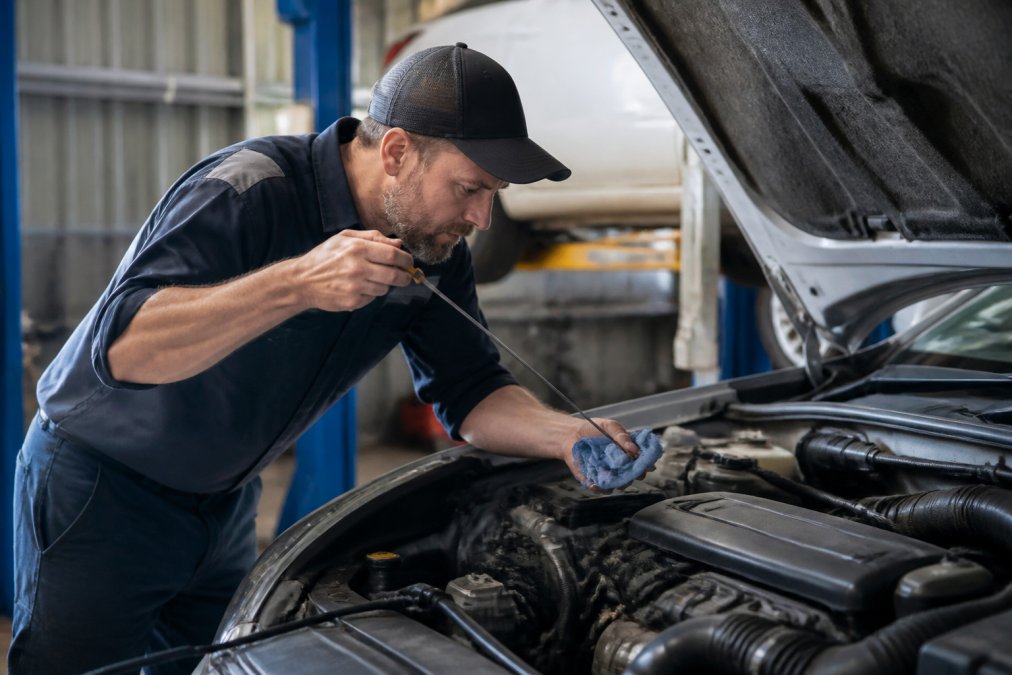
Battery health matters more than most owners realise. A failing battery leaves you stranded and may damage your alternator if you try to jump-start repeatedly. Have your battery tested annually, especially before winter. Replacement is cheaper than an emergency callout.
The pattern here is clear: small, regular actions prevent large, expensive failures. The workshops that offer these services regularly tend to see fewer catastrophic repairs. Customers who skip preventative maintenance end up paying far more overall.
Preventative maintenance reduces emergency repairs by up to 60% ([peer-reviewed research](https://pmc.ncbi.nlm.nih.gov/articles/PMC10511507/)). [The cost of regular servicing is always less](/5-affordable-car-service-options-in-mildura/) than the cost of fixing what breaks when you neglect it.
Know When to DIY and When to Call a Professional
Some maintenance tasks are safe and cost-effective to do yourself. Others require specialist equipment, training, or parts that only a qualified mechanic should handle. Knowing the difference saves money and prevents costly mistakes.
Safe DIY tasks include:
- Checking and topping up oil, coolant, and windscreen washer fluid
- Replacing air filters (engine and cabin)
- Changing wiper blades
- Checking tyre pressure and rotating tyres
- Replacing a battery (if you’re confident with basic tools)
- Washing and waxing your vehicle
These tasks require no special equipment and carry minimal risk. You’ll save labour costs and learn more about your vehicle in the process.
Tasks requiring a professional:
- Engine diagnostics (requires specialist diagnostic equipment)
- Brake work (safety-critical and requires precision)
- Suspension and steering repairs (affects handling and safety)
- Transmission or gearbox work (highly complex)
- Electrical system repairs (modern vehicles have intricate wiring)
- Welding or structural repairs
These jobs demand expertise, specialised tools, and often warranty guarantees that only a qualified mechanic can provide. Attempting them yourself risks further damage and may void your warranty.
The key question is: does this task require specialised knowledge or equipment, and what’s the cost of getting it wrong? If the answer is "significant," book a professional. If it’s "minimal," consider doing it yourself.
Pensioner Discount Car Repairs: What You Need to Know
For pensioners in the region, pensioner discount car repairs can deliver meaningful savings. Many workshops, including Mallee Auto & Agricultural Services, offer dedicated pensioner discounts on servicing and repairs. These discounts typically apply to labour costs and sometimes parts, reducing your overall bill (aarp.org).
To access pensioner discounts, you’ll usually need to provide proof of your pension status, typically a pensioner card or concession card. The discount amount varies by workshop, but it’s commonly 10-15% off labour. Over a year of regular servicing, this adds up to real money.
The challenge is finding workshops that honour these discounts and don’t compensate by inflating their base prices. A workshop offering a large pensioner discount but charging double the standard rate hasn’t actually helped you. This is where transparent pricing becomes critical.
Ask for a quote before committing to any work. Request the quote in writing, with labour rates clearly itemised. Compare it to other workshops in your area. If one workshop is significantly cheaper, ask why, it might be because they’re more efficient, or it might be because they’re cutting corners. A trusted local mechanic is worth more than the lowest price.
Many pensioners worry about being overcharged or sold unnecessary repairs. The best protection is a relationship with a mechanic you trust. Someone who knows your vehicle, knows your situation, and has a reputation to protect in your community is far less likely to recommend unnecessary work than a large chain workshop where you’re just another customer.
Pensioners on a fixed income who need reliable, affordable servicing and want to know they’re getting fair value. Pensioner discounts are most valuable when combined with a mechanic who provides transparent, honest recommendations.
Find a Mechanic You Can Trust With Transparent Pricing
The relationship you build with your mechanic is one of the most important factors in controlling maintenance costs. A trustworthy mechanic won’t recommend work you don’t need, will explain what’s necessary and why, and will charge fair prices for honest work.
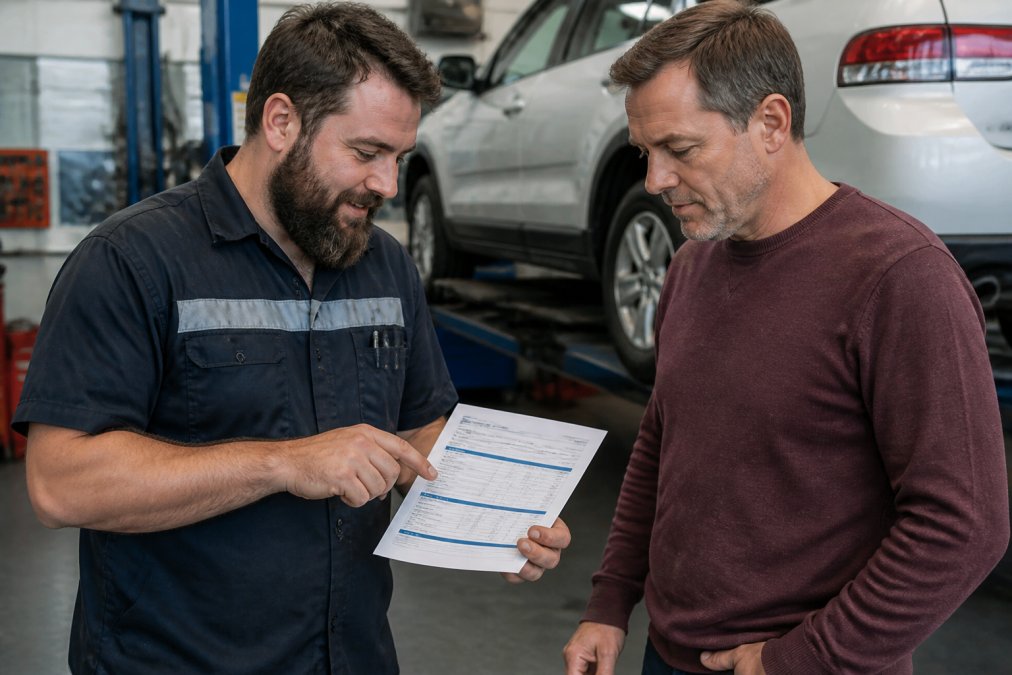
Transparent pricing means you know exactly what you’re paying for before work begins. A good workshop will:
- Provide a written quote before starting work
- Itemise labour and parts separately
- Explain what each service includes
- Ask permission before doing any work beyond the quote
- Show you the old parts when they’re replaced
- Explain why each repair is necessary
If a workshop refuses to provide a quote, avoids breaking down costs, or pressures you to approve work without explanation, find someone else.
Building trust takes time. Visit a new mechanic for routine servicing first, oil changes, filter replacements, basic maintenance. Observe how they communicate. Do they explain what they’re doing? Do they answer your questions? Do they seem interested in your vehicle’s long-term health or just the immediate sale? After a few visits, you’ll have a sense of whether this is someone you can trust.
Ask other locals for recommendations. In a community like Mildura, word-of-mouth matters. If a mechanic has been serving the area for years and has a solid reputation, that’s a strong signal. Workshops that specialise in your vehicle type (agricultural equipment, trucks, motorcycles, or passenger cars) often have deeper expertise and can diagnose problems more quickly.
When you find a mechanic you trust, stick with them. Loyalty is rewarded. A mechanic who knows your vehicle’s history, understands your budget, and has built a relationship with you is far more likely to work with you on pricing and prioritise genuine repairs over upselling.
Ask your mechanic directly: “How do you decide what repairs are urgent versus what can wait?” A good answer will explain how they prioritise safety, then longevity, then comfort. They’ll also be honest about which repairs can be deferred without risk.
Controlling car maintenance costs in Mildura comes down to three principles: understanding what work is genuinely necessary, doing the preventative maintenance that stops expensive failures, and building a relationship with a mechanic who values your business enough to be honest with you. Mallee Auto & Agricultural Services works with local vehicle owners on exactly this basis, we use modern diagnostic tools to identify real problems, explain what’s needed and why, and offer fair pricing with pensioner discounts for those who qualify. The result is vehicles that run reliably without unnecessary expense. Book a service with us today and see the difference transparent, professional maintenance makes.
Frequently Asked Questions
How often should I service my car to save money on maintenance?
Follow your vehicle's logbook schedule rather than guessing. Most modern cars need servicing every 10,000 to 15,000 kilometres or annually, whichever comes first. Sticking to this prevents expensive repairs from neglect. Skip services and you risk major engine damage that costs far more than routine maintenance.
Are there pensioner discounts available for car repairs?
Yes. Many local mechanics offer pensioner discounts on servicing and repairs. Contact your local service provider directly to confirm their discount rate and eligibility requirements. These discounts can provide meaningful savings, especially when combined with preventative maintenance to avoid costlier emergency repairs down the track.
What preventative car maintenance can I do myself to reduce costs?
Check and top up your oil, coolant, and windscreen washer fluid monthly. Inspect tyre tread depth and pressure regularly. Clean your air filter if it's visibly dirty. Wash your car to prevent rust. These simple tasks take minutes and prevent expensive damage. For anything involving brakes, suspension, or engine work, leave it to a professional.
How can I tell if a mechanic is being honest about what repairs I need?
Ask for a written quote before work begins. A trustworthy mechanic explains what's wrong in plain language, not jargon. They show you the problem if possible and explain why it matters. Get a second opinion on major repairs costing more than a few hundred dollars. Transparent pricing and willingness to answer questions are signs of a reliable service provider.
This article was written using GrandRanker
