
Table of Contents
- What Satisfaction Guaranteed Really Means in Rural Contracting
- Why Rural Fencing Services and Property Maintenance Require Accountability
- Is Synthetic Oil Worth It for Farm Vehicles: Durability and Long-Term Value
- Agricultural Equipment Service Checklist: What Professional Contractors Cover
- Preventative Maintenance for Tractors and Harvesters: Protecting Your Investment
- DIY vs. Professional Rural Contracting: When to Call the Experts
- How to Verify Workmanship Quality and Service Reliability
- Frequently Asked Questions
Last Updated: September 20, 2026
What Satisfaction Guaranteed Really Means in Rural Contracting
Rural contracting satisfaction guaranteed isn’t just a marketing slogan, it’s a binding commitment that separates trustworthy operators from those cutting corners. When a contractor promises complete satisfaction guaranteed on all services for rural contracting, they’re defining specific conditions, timeframes, and remedies that protect both parties.
A contractor who stands behind their work puts these terms in writing before the job starts, eliminating post-completion disputes and surprise costs.
Accountability is the key difference. When hiring for rural fencing, property maintenance, or livestock handling, you need to know what “being there” means in contractual terms.
In the Mildura region, a clear satisfaction guarantee protects your investment. A fence solid in autumn might develop issues by spring after heavy rains and wind. A contractor with a defined guarantee framework inspects work during the protection period and addresses emerging issues before they become expensive.
Why Rural Fencing Services and Property Maintenance Require Accountability
This is where accountability matters most.
Corners cut on materials or installation technique cost property owners months later. Poorly set posts fail under livestock pressure, undersized wire snaps under stress, and rushed installation leaves gaps animals exploit.
The accountability framework protects both parties. When a contractor guarantees their work, they invest in quality materials and proper technique from the start, cheaper than repeated returns to fix preventable problems.
Is Synthetic Oil Worth It for Farm Vehicles: Durability and Long-Term Value
Farm vehicles in the region face harsh conditions, dust, heat, heavy loads, extended hours. Synthetic versus conventional oil comes down to durability and long-term cost.
Synthetic oil lasts 10,000-15,000 km between changes versus 5,000-8,000 for conventional, meaning fewer service intervals and less downtime during critical seasons.
Synthetic oil maintains viscosity across temperature swings better than conventional, keeping your tractor engine operating efficiently in the region’s summer heat and cold snaps.
If you run farm equipment 10+ years, synthetic oil’s extended drain intervals and superior protection pay for the higher upfront cost through lower overall maintenance and greater reliability.
For older vehicles or short ownership timelines, conventional oil may make financial sense.
Agricultural Equipment Service Checklist: What Professional Contractors Cover
A thorough agricultural equipment service checklist ensures nothing gets overlooked. When you bring a tractor, harvester, or truck to a professional contractor, here’s what comprehensive service should include:
Engine and fuel systems:
- Oil and filter change
- Fuel filter inspection and replacement
- Air filter cleaning or replacement
- Coolant level and condition check
Hydraulic and transmission systems:
- Fluid level verification
- Filter inspection
- Leak detection and repair
- Hose condition assessment
Electrical components:
- Battery terminals cleaned and secured
- Alternator output testing
- Starter motor function check
- Lighting system verification
Mechanical components:
- Brake pad and rotor inspection
- Steering linkage lubrication
- Belt tension and condition
- Bearing and seal condition check
Safety and operational systems:
- Safety guards intact and functional
- Emergency stop controls responsive
- Seat and operator controls secure
- Tire pressure and tread depth
A professional contractor doesn’t skip items to save time. Each check protects your investment and prevents breakdowns during critical work periods. When you’re managing harvest or moving livestock, equipment failure costs money in lost productivity.
Preventative Maintenance for Tractors and Harvesters: Protecting Your Investment
Preventative maintenance for tractors and harvesters is the difference between equipment that lasts 15 years and equipment that fails at 10. The region’s climate and agricultural demands mean your machinery works hard.
Regular maintenance protects your investment by catching small problems before they become expensive repairs. A worn belt gets replaced during routine service. Left alone, it breaks during harvest and takes the engine with it. A slow hydraulic leak gets sealed during inspection. Ignored, it means losing fluid pressure when you need it most.
Establish a maintenance schedule tied to operating hours, not just calendar dates. Farm equipment runs seasonally with intensity, so hour-based intervals make more sense than annual ones. Your contractor should recommend:
- Service intervals based on manufacturer specifications
- Seasonal preparation before heavy-use periods
- Post-season inspection and storage preparation
- Component replacement before failure occurs
The cost of preventative maintenance is predictable and manageable. The cost of emergency repairs during peak season is neither. A tractor down during harvest means missed windows, hired contractors at premium rates, or crops left in the field. Harvesters that fail mid-season create cascading delays through your entire operation.
Professional contractors understand this reality. They prioritise preventative work because they know rural operations depend on equipment reliability.
DIY vs. Professional Rural Contracting: When to Call the Experts
Some rural maintenance tasks suit DIY approaches. Others demand professional expertise, specialist equipment, and regional knowledge. Understanding the boundary saves money, prevents costly mistakes, and keeps your operation running during critical periods.
DIY-friendly tasks (low risk, low cost):
- Basic cleaning and inspection of equipment
- Replacing simple filters and fluids (if you have proper disposal facilities)
- Tightening loose bolts and fasteners
- Minor paint touch-ups and rust treatment
- Clearing debris from property and maintaining fence lines
- Seasonal equipment preparation (draining fuel, checking tyres)
Professional-only work (high risk, high cost if done wrong):
- Engine diagnostics and major repairs (requires computer diagnostic tools)
- Hydraulic system service and repair (operates under pressure; improper service creates safety hazards)
- Electrical system troubleshooting (silent failures can leave you stranded)
- Welding and structural repairs (requires certification and proper equipment)
- Heavy equipment operation and positioning (liability and safety risks)
The cost-benefit analysis for Mildura rural operations:
A botched DIY repair on complex systems often costs more to fix than hiring a professional from the start. You pay for the failed attempt, then pay again for professional correction.
Time is the hidden cost in rural operations. During harvest or livestock movement periods, time spent troubleshooting and learning a repair process is time away from productive work. A professional contractor completes the job in 2-3 hours; a DIYer might spend a full day researching, attempting, and failing. That lost day during peak season can cost in lost productivity or missed market windows.
Regional climate and soil considerations:
Mildura’s hot, dry climate and alkaline soils create specific challenges that DIY approaches often miss. Corrosion accelerates in the region’s dust and heat, making proper rust treatment and protective coatings essential.
Seasonal timing matters:
Rural work windows are narrow. Spring fencing repairs must be completed before livestock are moved to paddocks. Pre-harvest equipment service must be done before the season starts, not during it. A professional contractor can schedule and complete work on your timeline. DIY work stretches across weeks or months, leaving equipment or property vulnerable during critical periods.
When DIY makes sense:
DIY is cost-effective for routine maintenance on simple systems, changing engine oil, replacing air filters, cleaning equipment. These tasks are low-risk, use standard tools, and have clear instructions. If you have the time, proper disposal facilities, and confidence, DIY saves money on labour. However, if you’re uncertain about any step, stop and call a professional. A mistake on a filter change is recoverable; a mistake on a hydraulic system is not.
The professional advantage:
A professional contractor brings diagnostic tools, specialist knowledge, and accountability. They identify problems you haven’t noticed yet. They complete work faster, freeing you to focus on your core business. They carry insurance that protects you if something goes wrong. For critical systems and time-sensitive work, the professional approach is cheaper and safer than DIY, even though the upfront cost appears higher.
How to Verify Workmanship Quality and Service Reliability
Verifying workmanship quality before you commit to a contractor protects your investment and prevents future problems. Here’s how to assess whether a contractor delivers genuine quality.
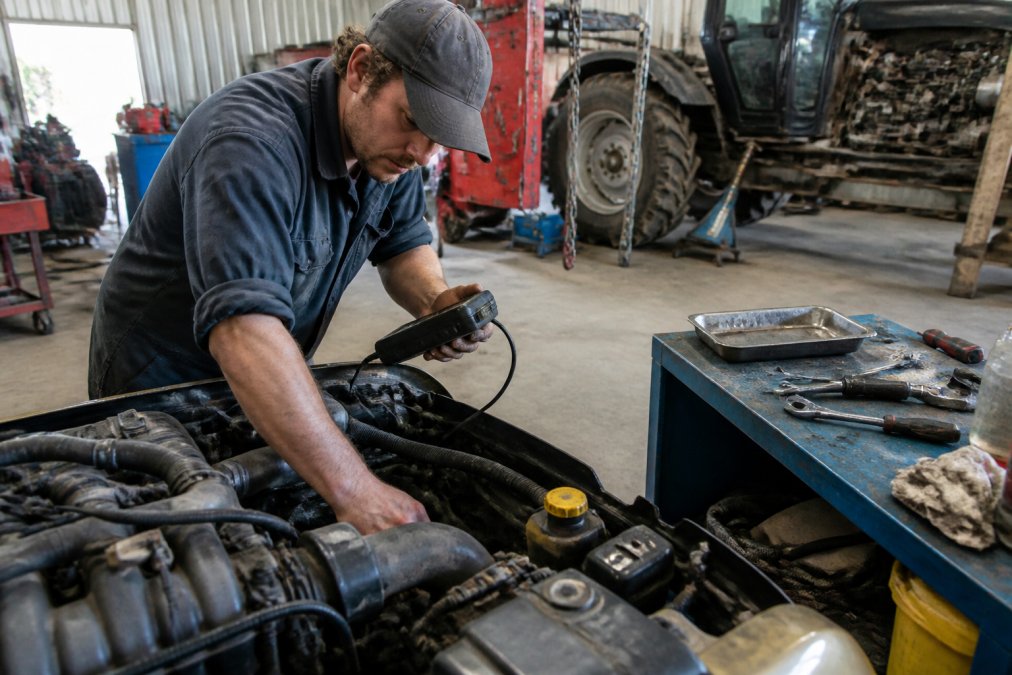
Check their diagnostic approach. A reliable contractor performs a thorough site assessment before quoting. They inspect the full scope of work, ask detailed questions about how the equipment or property is used, and identify potential issues you haven’t mentioned. A contractor who quotes immediately without investigation is likely to miss problems and underestimate costs.
Ask about warranty and follow-up. A contractor confident in their work offers clear warranty terms. What happens if something fails after completion? How long do they stand behind the work? Professional contractors typically offer 30 to 90 days of follow-up support. That’s your safety net if issues emerge.
Request references from local customers. Ask for contact details of three to five recent clients. Call them and ask specific questions: Did the work get completed on time? Were there surprises or hidden costs? Did the contractor follow up if issues arose? Local references matter because they’re managing the same conditions and equipment you are.
Observe their communication. Quality contractors explain their findings clearly and answer your questions without dismissing concerns. They provide written quotes that itemise work and materials. They keep you informed during the job and explain what they’re doing. Poor communication often signals poor workmanship, if they won’t explain the work, they’re probably not doing it carefully.
Check for modern diagnostic tools. Farm equipment diagnostics require specialist equipment.
Frequently Asked Questions
What should be included in a rural contracting service agreement?
A solid service agreement covers the scope of work, timeline, materials to be used, total cost with no hidden charges, warranty period on labour and parts, and what happens if work doesn’t meet standards. It should clearly state the contractor’s accountability and your right to request remedial work if the job doesn’t hold up. Ask your contractor to outline these points in writing before work begins.
How do I know a rural contracting company stands behind their work?
Look for contractors who offer written guarantees on both labour and materials, provide transparent pricing upfront, and are willing to discuss what happens if issues arise after completion. References from other local landholders and a clear track record in your region are strong indicators. Ask directly: what’s your policy if something fails within the first year? A confident contractor will have a straightforward answer.
Why is preventative maintenance for tractors and harvesters worth the cost?
Regular maintenance catches small problems before they become expensive failures during critical harvest periods. Scheduled servicing extends equipment life, reduces unexpected downtime, and often costs far less than emergency repairs. A well-maintained tractor or harvester also holds its resale value better. The investment in preventative care typically pays for itself through avoided breakdowns and improved operational efficiency.
How often should agricultural equipment be serviced?
Most manufacturers recommend servicing tractors and harvesters annually or after a set number of operating hours, whichever comes first. Heavy-use equipment may need more frequent checks. Your agricultural equipment service checklist should include oil and filter changes, fluid top-ups, belt and hose inspections, and safety system checks. A professional contractor can assess your specific equipment and usage to create a tailored schedule.
