
Table of Contents
- Understanding Car Repair Guarantees and Warranties
- Statutory Consumer Rights Under Australian Consumer Law
- Car Repair Warranty Terms and Conditions: What to Look For
- What to Do if a Mechanic Repair Fails
- Repairer Obligations and Your Service Quality Rights
- Used-Car Warranty Rights and Dealer Obligations
- Protecting Your Warranty: Common Mistakes to Avoid
- Frequently Asked Questions
Last Updated: October 12, 2026
Understanding Car Repair Guarantees and Warranties
Car repair guarantees and warranties are two different protections that cover your vehicle after work is done. A warranty is a promise from the repairer that their work will hold up for a set time.
Many vehicle owners in Mildura don’t realise the difference. You might think a warranty and a guarantee are the same thing. They’re not. Understanding both matters because they protect you in different ways.
A warranty typically lasts 12 months or covers a set number of kilometres. A guarantee is broader. It says the work must be done with due care and skill. If a repair fails, you have rights that go beyond any warranty period.
The key distinction comes down to this: a warranty is what the repairer offers you. A guarantee is what the law gives you. Both matter. Both protect your investment in keeping your vehicle running safely and efficiently.
Statutory Consumer Rights Under Australian Consumer Law
Manufacturer Warranties vs Consumer Guarantees
Manufacturer warranties and consumer guarantees serve different purposes. A manufacturer warranty covers defects in parts made by the vehicle’s manufacturer. It typically lasts three years or 100,000 kilometres, whichever comes first. A consumer guarantee is your legal right to have repairs performed with due care and skill, regardless of any warranty.
Consumer guarantees under Australian Consumer Law apply to all repair work. They cannot be taken away or limited by a repairer. If a repair fails within a reasonable time, you have the right to have it fixed again at no cost. This applies even if the original warranty has expired.
The difference matters most when something goes wrong. A manufacturer warranty covers a faulty part. A consumer guarantee covers poor workmanship. If a mechanic installs a part incorrectly, the manufacturer’s warranty won’t help you. But your consumer guarantee will.
Your Right to Repair, Replacement, or Refund
Australian Consumer Law gives you three main remedies if a repair fails. You can ask for a repair, a replacement, or a refund. The repairer must choose which one to offer first, but if that option doesn’t work, you can ask for another.
A repair means the work is done again, correctly this time. Most repairers will offer this first. A replacement means the part is swapped out for a new one if it’s faulty. A refund means you get your money back if the repair cannot be fixed properly.
You have the right to choose which remedy you prefer, but the repairer gets the first attempt. If they choose repair and it doesn’t work, you can then ask for replacement or refund. The law says you must give the repairer a reasonable chance to fix the problem.
Car Repair Warranty Terms and Conditions: What to Look For
Coverage Scope and Exclusions
Before you leave a repair shop, check what the warranty actually covers. Most warranties cover the parts and labour for the work done. They do not cover normal wear and tear. They do not cover damage from accidents or misuse.
Ask the repairer to explain what is and isn’t covered. Get it in writing. Many exclusions are reasonable. For example, a warranty on a new battery won’t cover damage if you leave your lights on and drain it. A warranty on brake pads won’t cover damage if you drive through deep water.
Common exclusions include:
- Damage from accidents or collisions
- Neglect or improper use
- Normal wear and tear
- Modifications made by someone else
- Environmental damage like rust or corrosion
- Work done by another mechanic
Always ask about coverage limits too. Some warranties only cover parts, not labour. Some cover only the specific component repaired, not related parts. Understanding these limits helps you avoid surprises if something goes wrong later.
The Car Repair Warranty Period: Duration and Limits
Most car repair warranties last 12 months or 20,000 kilometres, whichever comes first. Some repairers offer longer periods for specific work. Engine work might have a longer warranty than minor repairs.
The warranty period starts when you pick up your vehicle. It ends when either the time or the kilometre limit is reached. If a repair fails during this period, you can return to the repairer and ask for it to be fixed at no cost.
After the warranty ends, you still have consumer guarantee rights. These last longer. Consumer guarantees apply for a reasonable time after the repair, usually six to twelve months depending on the type of work. For major repairs like engine work, a reasonable time might be longer. For minor repairs, it might be shorter.
Always ask the repairer how long the warranty lasts and what it covers before you leave. Get the warranty details in writing. Keep your receipt and any warranty paperwork in your vehicle records.
What to Do if a Mechanic Repair Fails
Document Everything Before You Leave
Before you drive away from the repair shop, check your vehicle. Take the time to review the repair invoice. Make sure it lists every job that was done.
Get a copy of the warranty document. It should state the warranty period, what is covered, and what is not.
Take photos of your vehicle before you leave if the work involved visible parts. Take photos of the repair invoice too. Keep all receipts and paperwork together.
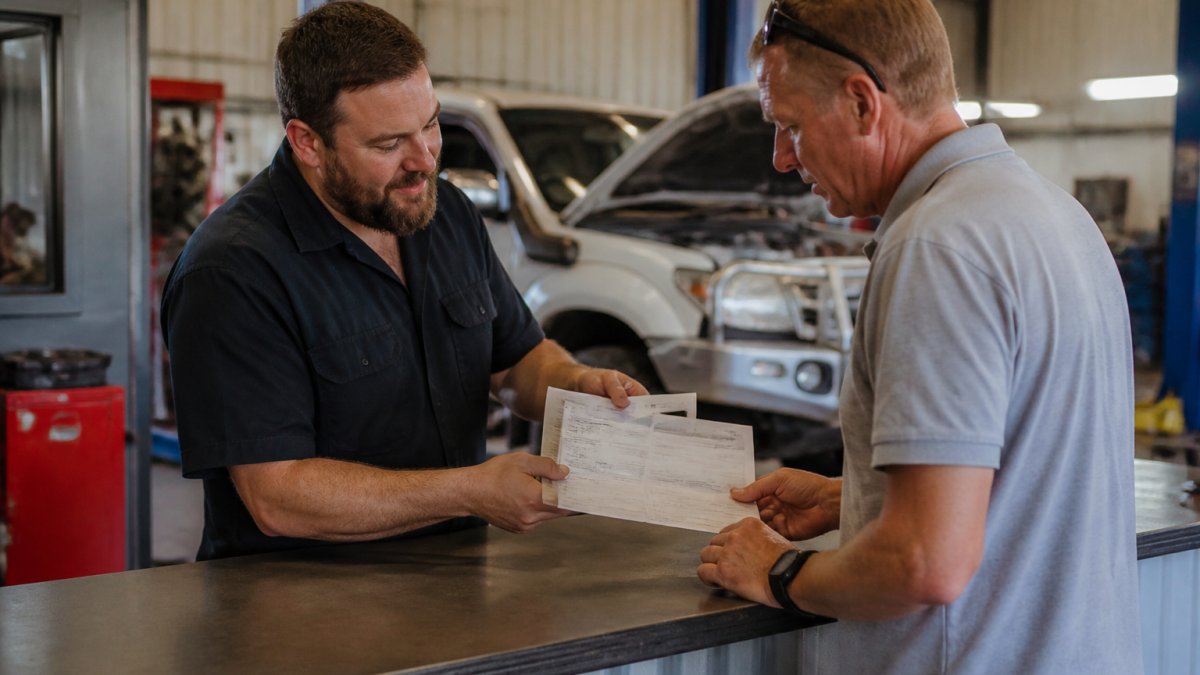
If the repairer made any promises about the work verbally, write them down. Note the date, time, and what was said. This helps if you need to dispute the repair later.
Steps to Take When a Repair Doesn’t Hold
If the repair fails, return to the repairer as soon as possible. Bring your receipt and warranty paperwork. Explain the problem clearly. Describe when it started and what symptoms you notice.
Give the repairer a reasonable chance to fix it. Most repairers will honour their warranty. They want to keep your business. If they refuse to fix it without charge, remind them of the warranty terms.
Contact the repairer in writing. Send an email or letter explaining the problem and what remedy you want. Ask for a repair, replacement, or refund. Give them a deadline, typically 14 days, to respond. Keep a copy of this communication.
If the repairer does not respond or refuses to help, contact the relevant dispute resolution body. In Victoria, you can lodge a complaint with the Victorian Civil and Administrative Tribunal (VCAT). You can also contact the Consumer Affairs Victoria office for advice.
Do not ignore a failed repair. The longer you wait, the harder it becomes to prove the repair was faulty. Document the problem immediately and contact the repairer within days of noticing the failure.
Repairer Obligations and Your Service Quality Rights
A repairer must perform work with due care and skill. This is a legal obligation under Australian Consumer Law. It applies whether or not the repairer offers a warranty.
Repairers must also provide transparent pricing. Before starting work, they should give you a quote. If the work will cost more than the quote, they must contact you and get approval. Never proceed with repairs that exceed your approved quote without your permission.
A good repairer will:
- Explain what work needs to be done
- Provide a written quote before starting
- Contact you if additional work is needed
- Explain any warranty terms clearly
- Provide a detailed invoice
- Stand behind their work
At Mallee Auto & Agricultural Services, we believe in clear communication and fair pricing. Our team uses modern diagnostic tools to identify problems accurately. We explain what needs to be fixed and why. We provide transparent quotes with no hidden charges.
If you have concerns about a repairer’s work, you have the right to get a second opinion. Take your vehicle to another qualified mechanic. Ask them to assess the work that was done.
Used-Car Warranty Rights and Dealer Obligations
Used-car warranties work differently from repairs. When you buy a used car from a dealer, you have consumer guarantee rights. The vehicle must be of acceptable quality and fit for purpose.
The time frame for used-car guarantees depends on the price and age of the vehicle. Generally, you have six months to identify a major defect. For minor defects, you have three months. This applies from the date of purchase.
Dealers must disclose known defects. If a dealer knows about a problem and does not tell you, this is misleading conduct. You can take action against the dealer. Always ask the dealer if there are any known issues with the vehicle.
When you buy a used car, inspect it thoroughly before purchase. Take it to a trusted mechanic for a pre-purchase inspection. This helps you identify problems before you commit to buying.
Protecting Your Warranty: Common Mistakes to Avoid
Many vehicle owners accidentally void their warranty by making simple mistakes. Understanding what to avoid helps you keep your coverage intact.
Do not attempt major repairs yourself if the vehicle is under warranty. DIY work can void the warranty on related components. Always use a qualified mechanic.
Keep up with scheduled maintenance. Most warranties require regular servicing. If you skip services, the repairer can refuse to honour the warranty. Stick to the manufacturer’s service schedule.
Do not ignore warning lights or strange sounds. Address problems early. Ignoring an issue can cause additional damage, which may not be covered by warranty.
Common mistakes that void warranties:
- Skipping scheduled maintenance
- Using non-approved parts
- Attempting DIY repairs on major systems
- Modifying the vehicle
- Ignoring warning signs
- Using incorrect fuel or fluids
- Driving with known defects
Keep detailed records of all work done on your vehicle. This helps prove you maintained the warranty terms. It also helps if you need to make a claim later.
The best way to protect your warranty is to follow the repairer’s advice, maintain your vehicle on schedule, and address problems promptly. Keep all documentation. If a repair fails, act quickly and document everything.
Keeping your vehicle running smoothly requires understanding what protects you when repairs go wrong.
Frequently Asked Questions
What happens if a car repair fails shortly after the work is done?
If a repair fails shortly after completion, you have the right to take the vehicle back to the repairer and demand a remedy at no extra cost. Under Australian Consumer Law, the repairer must ensure work is done with due care and skill. Document the failure with photos, repair invoices, and dates. Contact the repairer in writing within a reasonable timeframe. If they refuse to fix it free of charge, you can lodge a complaint with your state’s consumer affairs body or pursue dispute resolution. Many repairers offer a warranty period (typically 3-12 months) covering parts and labour for work they’ve completed.
How do Australian Consumer Law guarantees apply to car repairs?
Australian Consumer Law provides statutory guarantees that services must be rendered with due care and skill, within a reasonable time, and fit for purpose. These guarantees apply to all car repairs, whether from a dealership or independent mechanic. They cover both parts and labour. You cannot be asked to waive these rights. If a repair doesn’t meet these standards, you can request the repairer remedy the fault at no cost, or pursue refund or compensation through dispute resolution or the Australian Competition and Consumer Commission (ACCC).
What should a written car repair warranty include?
A written repair warranty should clearly state the warranty period (duration in months or kilometres), what parts and labour are covered, any exclusions or limitations, claim procedures, and contact details for warranty claims. It should specify whether the warranty covers only parts, labour, or both. The document should outline what happens if the repair fails during the warranty period, whether you must return to the original repairer, and any conditions (such as regular servicing requirements). Always request a written warranty before authorising repairs and keep it with your service records.
Can a mechanic require you to return to them for warranty repairs?
A mechanic cannot force you to return exclusively to them for warranty repairs, but many will require it to honour the warranty. Check your warranty terms before signing. However, if you use a different mechanic and the repair fails due to the original repairer’s workmanship, you can still pursue a claim under Australian Consumer Law or dispute resolution. If the original repairer’s warranty explicitly requires return visits, refusing to return may void the warranty for that specific claim. Always clarify this in writing before work begins.
