
Table of Contents
- The Core Drivers Behind Rising Vehicle Repair Costs
- Labour Rates and Workshop Overheads
- Advanced Vehicle Technology and Diagnostic Demands
- Supply Chain Disruption and Parts Sourcing Challenges
- How to Save Money on Car Maintenance
- Benefits of Local Auto Repair Shops
- Average Car Repair Costs Australia and What Affects Your Bill
- Conclusion
- Frequently Asked Questions
Last Updated: September 27, 2026
The Core Drivers Behind Rising Vehicle Repair Costs
Why vehicle repair costs are rising comes down to technological complexity, labour shortages, supply chain strain, and economic pressures that have fundamentally reshaped the automotive service industry. Understanding these drivers helps you make informed decisions about your own vehicle maintenance and budgeting.
Modern vehicles contain far more sensors, computerised systems, and integrated electronics than older cars, transforming what mechanics must know and what workshops must invest in to diagnose and repair them.
Labour Rates and Workshop Overheads
Skilled automotive technicians have become harder to find, and those in the workforce command higher wages to reflect their expertise and the demands of modern diagnostics. Workshop costs have risen too: rent, utilities, insurance, and compliance expenses all factor into what mechanics charge per hour.
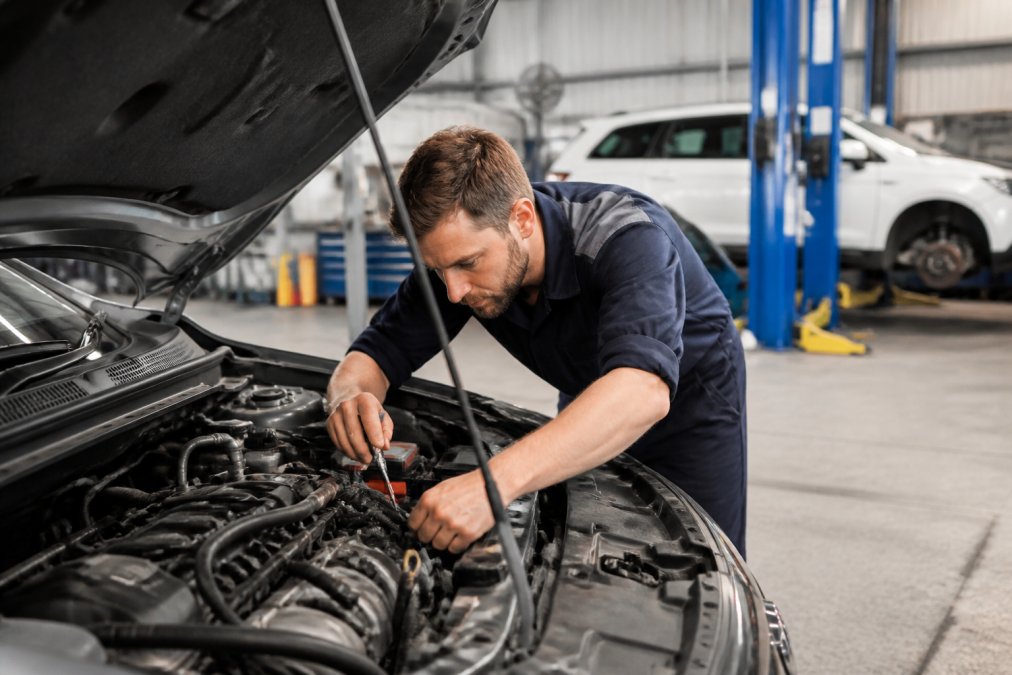
Labour rates reflect genuine costs: experienced technicians require ongoing training to stay current with new vehicle systems, diagnostic software, and sensor calibration procedures. That investment in training gets passed through to service costs.
The Rural Technician Shortage Premium
In regional areas like the Mallee, attracting qualified technicians requires higher wages than metropolitan equivalents, often 15-20% above city rates, to offset cost of living differences and limited career progression. When a Mildura workshop needs a technician with hybrid vehicle or advanced suspension experience, they compete against Melbourne for the same limited pool of skilled workers.
Rural workshops must also budget for technician retention through benefits and flexibility, flexible scheduling for agricultural seasons, relocation assistance, that urban chains don’t need to offer. These costs are built into service pricing.
Regulatory Compliance and Workshop Infrastructure
Modern workshops must meet strict environmental and safety standards set by EPA Victoria and WorkSafe Victoria. Proper disposal systems for electronic waste, hazardous fluids, and batteries are legal requirements. Handling lithium-ion batteries from electric vehicles requires certified disposal protocols and staff training, adding thousands of dollars in annual compliance costs.
Climate-controlled work areas are essential for modern diagnostics; electronic sensor calibration requires stable temperature and humidity. In the Mallee’s extreme heat, maintaining proper climate control significantly increases electricity costs. A workshop running air conditioning 8-10 hours daily during summer faces utility bills 30-40% higher than equivalent facilities in southern Victoria.
Insurance premiums have climbed due to vehicle complexity and diagnostic equipment costs. A workshop carrying $500,000+ in diagnostic software faces substantially higher public liability and professional indemnity insurance than traditional service stations.
Training and Certification Investment
Workshops must invest in ongoing technician training to maintain manufacturer certifications. A single technician attending a three-day advanced diagnostic course incurs course fees ($1,500-$3,000) plus travel, accommodation, and lost productivity. For small rural workshops, this represents significant operational cost reflected in service pricing.
Advanced Vehicle Technology and Diagnostic Demands
Modern vehicles rely on dozens of interconnected computer systems. An engine problem might originate in the transmission module, battery management system, or emissions control network. Diagnosing these issues requires diagnostic software costing thousands of dollars, regular updates, and trained technicians who understand the data.
Sensor calibration is now critical in modern repairs. Replacing a brake sensor, suspension part, or camera system often requires vehicle recalibration to function correctly. Without proper calibration, safety systems may not work as designed, creating warranty and roadworthiness issues.
Electric and hybrid vehicles introduce additional complexity: high-voltage systems, specialised safety protocols, and different diagnostic approaches. Workshops investing in these capabilities make substantial capital investments reflected in service pricing.
Supply Chain Disruption and Parts Sourcing Challenges
Aftermarket parts sourcing has become unpredictable due to global supply chain disruptions, semiconductor shortages, and manufacturing delays. Getting the right component can take weeks rather than days, adding cost and time.
Original equipment manufacturer (OEM) parts carry premium pricing, particularly for newer models where aftermarket alternatives haven’t been developed. Sourcing for vehicles manufactured in the past five years often requires direct manufacturer ordering, bringing higher costs and longer lead times.
The Mildura Freight and Logistics Premium
Rural workshops face a parts sourcing challenge urban mechanics don’t: geographic distance and limited local supplier networks. Mildura is approximately 550 kilometres from Melbourne, the nearest major automotive parts distribution hub, creating a structural cost disadvantage.
Freight costs are absorbed into the final bill. A brake rotor costing $80 might incur $25-$40 in freight charges. For larger components, freight can exceed the parts cost. Melbourne workshops collect parts same-day at no charge; Mildura workshops wait 2-3 days and pay freight premiums urban competitors avoid.
This logistics burden is compounded by the Mallee’s dispersed population. A parts supplier in Mildura cannot justify stocking the full range of components that a Melbourne distributor carries, because demand across the region is lower. A workshop needing a specific sensor for a 2024 model might find it’s not in local stock, requiring a special order from interstate. That delay, and the freight cost, gets passed to the vehicle owner.
Limited Local Supplier Competition
Mildura has fewer automotive parts retailers than metropolitan areas, which reduces price competition and increases supplier margins. A workshop in Melbourne can source the same part from three or four competing distributors within a few kilometres; a Mildura workshop might have only one or two local options, or none for specialist components. This lack of competition means less negotiating power on pricing and longer lead times when a preferred supplier doesn’t stock an item.
For agricultural and heavy-vehicle parts, common in the Mallee due to the region’s farming economy, sourcing becomes even more complex. A workshop servicing tractors, harvesters, or heavy trucks alongside passenger vehicles must maintain relationships with multiple specialist suppliers, many of which are based in Melbourne or interstate. Managing these supply chains adds operational complexity that urban workshops with higher local demand don’t face.
OEM Parts and Manufacturer Direct Ordering
For newer vehicles, OEM parts sourcing often requires ordering directly from the vehicle manufacturer’s distribution network. A Mercedes-Benz or BMW component for a 2025 model might only be available through the manufacturer’s official channels, with no local aftermarket alternative. These parts carry premium pricing, often 40-60% higher than equivalent aftermarket components, and are subject to longer lead times, particularly for vehicles not commonly serviced in regional areas.
Manufacturer direct ordering also means workshops cannot negotiate bulk discounts the way large urban chains can. A small Mildura workshop ordering a single component pays full retail; a large Melbourne chain ordering the same part in volume receives discounts that don’t flow through to regional competitors.
Climate-Related Parts Wear and Replacement Frequency
The Mallee’s extreme heat and dusty environment accelerate wear on specific components, creating higher parts demand for cooling systems, air filters, and suspension components. Vehicles operating in 40°C+ temperatures with high dust exposure require more frequent replacement of engine air filters, cabin air filters, and cooling system components than vehicles in cooler regions. This increased replacement frequency means higher parts consumption, and rural workshops must either stock more inventory (tying up capital) or face more frequent special orders.
A mechanic’s job has become partly about parts logistics.
How to Save Money on Car Maintenance
Preventative maintenance is your strongest defence against escalating repair costs. Regular servicing at recommended intervals catches small problems before they become expensive failures. A $150 oil change and filter replacement is far cheaper than engine damage from neglected maintenance.
Benefits of Local Auto Repair Shops
Local workshops understand the specific challenges of servicing vehicles in your region. In the Mallee, climate conditions, hot summers, dusty environments, and the demands of agricultural use, affect vehicles differently than in urban areas. A local mechanic knows these patterns and can advise on preventative measures tailored to your situation.
Average Car Repair Costs Australia and What Affects Your Bill
Vehicle repair costs vary significantly based on several factors. The age of your vehicle, its complexity, the type of repair needed, and the workshop’s location all influence the final bill. A simple brake pad replacement might cost between $150 and $300, while a transmission diagnostic could run several hundred dollars depending on the vehicle and the workshop.
Conclusion
Vehicle repair costs are rising because modern cars are fundamentally more complex, labour is harder to find, supply chains remain unpredictable, and workshop overheads have increased substantially. These aren’t temporary factors, they reflect real structural changes in the automotive industry that will persist.
Frequently Asked Questions
Why is it so expensive to fix a car in Australia right now?
Vehicle repair costs are rising due to several converging factors. Labour rates have increased significantly as skilled mechanics command higher wages. Modern vehicles require specialised diagnostic software and calibration equipment that workshops must invest in. Parts sourcing has become more complex and expensive due to supply chain disruptions. Additionally, inflationary pressures on workshop overheads, fuel, and utilities are passed on to customers. The shift toward electric and hybrid vehicles also requires technicians to undertake additional technical training, raising service costs across the board.
How can I reduce my car maintenance expenses?
Preventative maintenance is your best strategy to save money on car maintenance. Follow your vehicle’s recommended service intervals strictly, as this prevents costly mechanical failures down the line. Regular oil changes, filter replacements, and fluid checks are inexpensive compared to engine repairs. Local repair shops often charge less than dealerships and can provide transparent pricing upfront. Request a quote before authorising work, and ask your mechanic to explain what repairs are essential versus optional. Choosing a trusted local repairer who stands behind their work reduces the risk of unnecessary repairs and repeat visits.
What are the benefits of using a local auto repair shop instead of a dealership?
Local auto repair shops typically offer fairer pricing without dealership markups. They know the community and build long-term relationships, so they’re motivated to provide honest advice rather than upsell unnecessary work. Local repairers often have faster turnaround times and more flexible scheduling. They understand regional climate challenges and vehicle wear patterns specific to your area. Many local shops, like those in rural communities, offer pensioner discounts and transparent communication about what your vehicle actually needs. You also support your local economy and gain access to mechanics who genuinely care about your vehicle’s longevity.
What is the average cost of car repairs in Australia, and what factors change the price?
Car repair costs in Australia vary widely depending on vehicle make and model, age, and the complexity of the fault. Modern vehicles with advanced electronics cost more to diagnose and repair than older models. Labour rates differ between metropolitan and regional areas, with rural workshops sometimes offering better value. The type of repair matters significantly: routine servicing costs far less than engine or transmission work. Parts sourcing also affects the final bill; imported components and specialist parts take longer and cost more. Your vehicle’s age and maintenance history influence repair frequency and severity. Climate factors in regional areas can accelerate wear on suspension and undercarriage, increasing repair bills over time.
