
Table of Contents
- Why Farmers Need Reliable Farm Equipment Repair Alternatives
- Local Independent Repairers vs. Franchised Services
- Mobile On-Site Repair Services for Agricultural Machinery
- Right to Repair Farm Machinery in Australia
- Farm Equipment Maintenance Tips to Reduce Downtime
- Diagnostic Tools and DIY Troubleshooting for Farmers
- Choosing the Right Farm Equipment Repair Service
- Conclusion
Last Updated: August 11, 2026
Why Farmers Need Reliable Farm Equipment Repair Alternatives
Farm equipment repair alternatives have become essential for agricultural businesses. When your tractor breaks down during harvest or your truck needs urgent diagnostics, waiting weeks for a service appointment isn’t viable. Equipment downtime costs hundreds per day, making your choice of repair provider critical to your bottom line.
Mallee Auto & Agricultural Services has worked with local farming operations to identify what separates a good repair experience from a costly mistake. The landscape has shifted from traditional franchise services to independent repairers, mobile on-site technicians, and diagnostic-focused workshops that often deliver faster turnaround times and transparent pricing. The key is knowing which option suits your situation: quick diagnostics versus major mechanical work, emergency repairs versus scheduled maintenance, or whether on-site service saves money versus workshop efficiency.
The best farm equipment repair alternative depends on three factors: urgency (how quickly you need the work done), complexity (whether it’s routine maintenance or advanced diagnostics), and location (whether on-site service saves you money versus workshop efficiency).
Local Independent Repairers vs. Franchised Services
Independent repair shops typically have lower overhead costs, translating to more competitive hourly rates. A local independent repairer in the Mildura area knows the specific equipment common in your region, whether John Deere tractors, Kubota machinery, or the mix of older and newer equipment many mixed farms run.
Franchised services bring standardised processes and warranty compliance, but their labour rates reflect corporate overhead. Where they excel is in warranty coverage and parts availability; if something goes wrong after service, the manufacturer backs the work.
An independent repairer knows which parts fail first on your specific machinery and which problems are worth preventing. A franchised technician follows a diagnostic flowchart and replaces what the computer indicates.
Independent repairers offer flexibility and local knowledge, but you lose the corporate accountability structure. If something goes wrong after they’ve finished, you’re relying on their goodwill and professional reputation, not a corporate warranty system.
For routine maintenance and common problems, an independent shop typically costs 15-30% less. For complex issues requiring specialist diagnostic equipment or manufacturer-backed guarantees, the franchised approach might justify its higher cost.
Mobile On-Site Repair Services for Agricultural Machinery
Mobile repair services eliminate the need to transport heavy machinery. Instead of driving 45 minutes to a workshop, a qualified technician arrives at your property with diagnostic tools and common parts. For diesel engines, hydraulic systems, and mechanical fault-finding, this on-site capability can mean losing two hours instead of half a day.
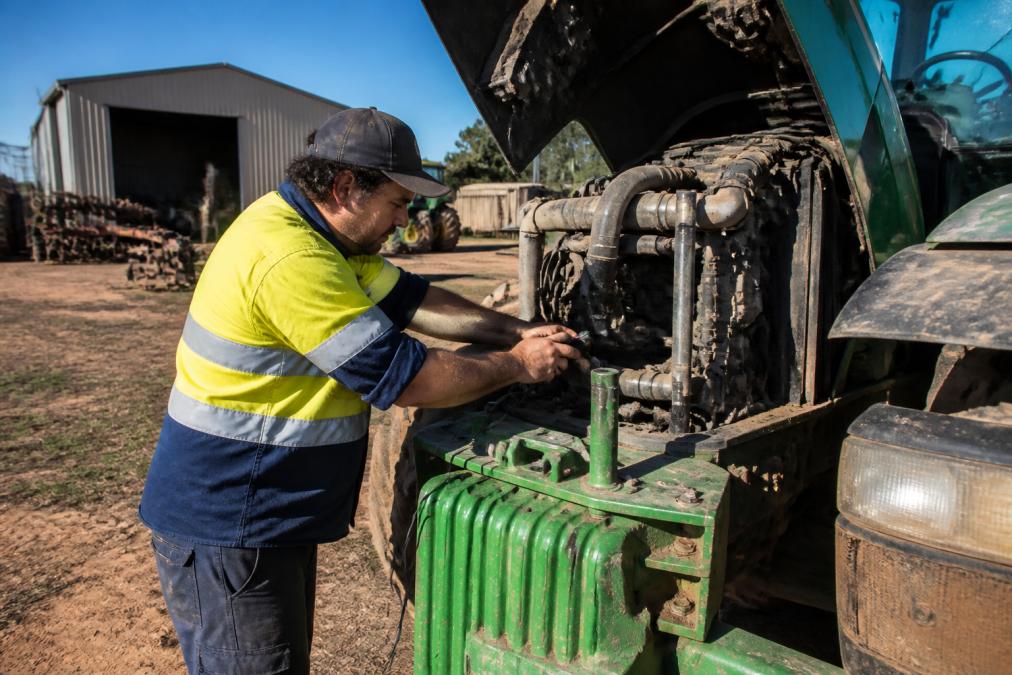
Mobile services operate across the region, offering mechanical diagnostics, preventative maintenance, and repairs for trucks, tractors, ride-on equipment, and light industrial machinery. A mobile technician can diagnose an electrical fault or replace a hydraulic hose on-site, but a complete engine rebuild or transmission overhaul needs a proper workshop.
Mobile services typically charge a call-out fee plus labour, so for very quick jobs, you might pay more than at a fixed location. The decision hinges on your equipment and operation’s size. If you run a mixed fleet with frequent small repairs, mobile services justify their cost through reduced downtime. If you have one or two critical machines and can schedule maintenance during slower periods, a workshop visit might be more economical.
Right to Repair Farm Machinery in Australia
Australian law doesn’t prevent you from repairing your own equipment or using independent repairers, but manufacturers have increasingly restricted access to diagnostic information and software required for modern machinery.
The Australian Consumer Law (ACL) protects your right to have faulty goods repaired or replaced, and manufacturers cannot void your warranty simply because you used an independent repairer, provided the repair didn’t cause the fault. However, many manufacturers have introduced software locks and proprietary diagnostic systems that make independent repair difficult without their authorisation.
Some independent repairers have invested in aftermarket diagnostic tools like FCAR Australia’s scan equipment, which provides full-system diagnostics without manufacturer software dependencies. This is a practical workaround, but it requires your chosen repairer to have invested in advanced diagnostic capabilities.
Before committing to a repairer for complex machinery, ask whether they have independent diagnostic tools or rely on manufacturer software. Independent tools give you flexibility; manufacturer-dependent systems tie you to authorised service networks.
A repairer with modern diagnostic equipment and knowledge of aftermarket parts compatibility can service your equipment regardless of manufacturer restrictions. A repairer without these capabilities may need to refer you to an authorised dealer.
Farm Equipment Maintenance Tips to Reduce Downtime
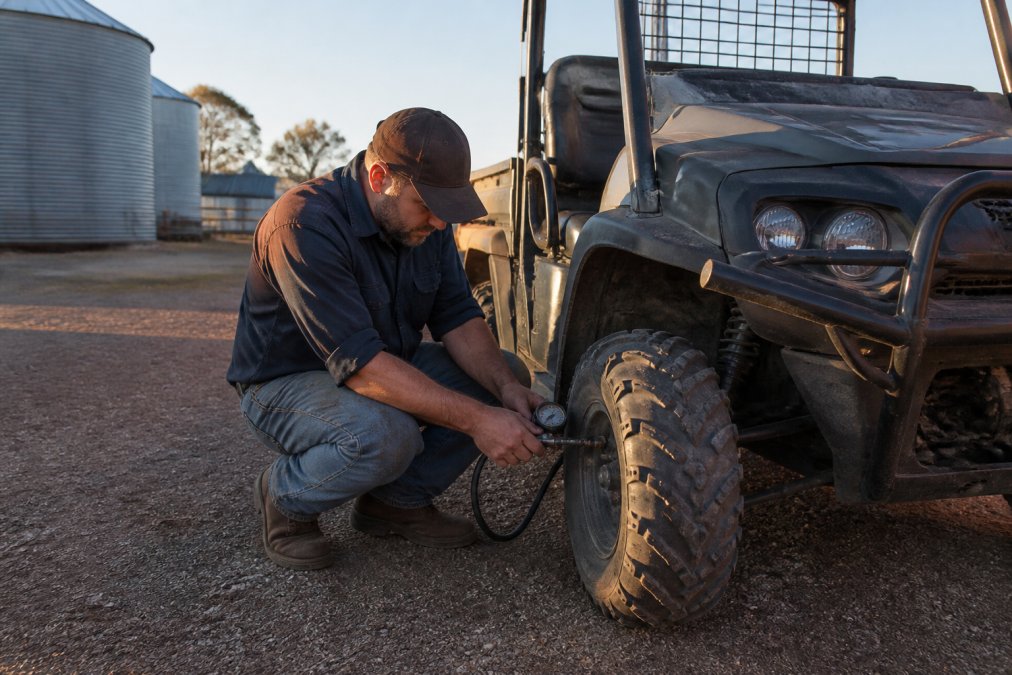
Preventative maintenance is the most cost-effective repair strategy because it stops problems before they become expensive. A diesel engine serviced on schedule rarely needs emergency repairs. A hydraulic system with regular fluid changes doesn’t fail mid-harvest.
Preventative Maintenance Scheduling
A maintenance schedule is the difference between planned downtime and emergency repairs. Most agricultural machinery manufacturers specify service intervals based on engine hours, not calendar time. A tractor used 200 hours per year needs different maintenance timing than one used 1,200 hours per year.
Track engine hours religiously. Once you know your annual usage, you can plan services around your operation’s quiet periods. Common maintenance tasks that prevent costly repairs include oil and filter changes, hydraulic fluid inspections, belt and hose checks, and fuel system cleaning.
Many farmers find that scheduling quarterly maintenance checks with a mobile technician provides the discipline to actually complete them.
Engine hour tracking is the foundation of any preventative maintenance program. Without knowing actual usage, you’re either over-servicing (wasting money) or under-servicing (risking failure).
Sourcing Genuine and Aftermarket Parts
Genuine manufacturer parts carry a markup that reflects brand reputation and warranty coverage. Aftermarket parts from suppliers like Australian Wide Ag Parts offer equivalent functionality at 20-40% lower cost, provided they’re sourced from reputable suppliers.
For critical components like engine gaskets, transmission seals, and brake components, many farmers prefer genuine parts for certainty. For consumables and wear items, filters, belts, hoses, fasteners, quality aftermarket parts make financial sense. A good independent repairer knows which components justify genuine parts and which can safely use aftermarket alternatives.
Build a relationship with a repairer who sources parts competitively. Mallee Auto & Agricultural Services can advise on parts options and source both genuine and quality aftermarket components based on your budget and timeline.
Diagnostic Tools and DIY Troubleshooting for Farmers
Modern farm equipment relies on electronic systems that require proper diagnostic tools. A check engine light could indicate dozens of different faults, and guessing wastes time and money. Professional diagnostic scan tools like FCAR Australia’s equipment provide full-system diagnostics and interactive wiring diagrams.
Basic troubleshooting skills save money for routine issues. If your tractor won’t start, you can check battery voltage, fuel flow, and spark before calling a technician. If a hydraulic cylinder moves slowly, you can inspect fluid levels and hose connections.
Electrical system checks, fluid level inspections, and visual component checks are safe for any operator. Opening sealed systems, working on pressurised hydraulics, or diagnosing electronic control modules requires professional equipment and training.
Many independent repairers offer diagnostic services separately from repair work. You can pay for a diagnostic scan to identify the problem, then decide whether to repair it yourself, source parts independently, or have the repairer complete the work.
Choosing the Right Farm Equipment Repair Service
Selecting a repair provider means evaluating four key factors: expertise with your specific equipment, diagnostic capabilities, pricing transparency, and response time for emergencies.
Expertise matters because different equipment requires different knowledge. Before committing to a repairer, ask about their experience with your specific equipment type and age. A repairer who’s worked on your model before can diagnose faster and avoid costly mistakes.
Diagnostic capabilities separate shops that truly troubleshoot from shops that replace components until the problem goes away. Ask whether they use independent diagnostic tools or rely on manufacturer software. A shop that explains the problem clearly and shows you the diagnostic data is more trustworthy than one that quotes a price without explanation.
Pricing transparency means you understand what you’re paying for before work begins. A good repairer provides a written quote that breaks down labour hours, parts costs, and any call-out fees. They explain why the repair costs what it does and offer alternatives if the initial quote exceeds your budget.
Response time for emergencies varies by location and workload. Mobile services often respond faster because they’re not managing a workshop queue, but they have geographic limits. For routine maintenance, response time matters less; for harvest-season emergencies, it’s critical.
Before [choosing a repair provider](/how-to-choose-a-mechanic-in-mildura/), ask three questions: Do you have experience with my specific equipment? Can you diagnose the problem before quoting a price? Will you provide a written breakdown of costs before starting work?
Mallee Auto & Agricultural Services combines local expertise with modern diagnostic tools and fair, transparent pricing. Their skilled mechanics handle all vehicle types, cars, trucks, tractors, and quad bikes, with the same commitment to accuracy and customer satisfaction. For farmers in the Mildura region, this means reliable diagnostics, honest advice about necessary versus optional repairs, and pensioner discounts that recognise the tight margins many operators work with.
Choosing farm equipment repair alternatives isn’t about finding the cheapest option; it’s about finding a repairer you can trust to diagnose accurately, price fairly, and complete work reliably. The right choice depends on your equipment, location, and operation’s maintenance needs. Mallee Auto & Agricultural Services understands these variables because they work with local farmers every day. Book now for a diagnostic assessment and see how transparent, expert repair service can reduce your downtime and protect your equipment investment.
Frequently Asked Questions
What should I look for in a farm equipment repair service?
Look for mechanics with experience in agricultural machinery, modern diagnostic tools for accurate fault detection, transparent pricing with no hidden charges, and a track record of fast turnaround times. Mobile services that come to your property eliminate downtime transporting equipment. Verify they work on your specific machinery type, tractors, trucks, quad bikes, or side-by-sides, and ask about warranty guarantees on completed repairs.
How does the Right to Repair farm machinery in Australia affect my maintenance options?
Right to Repair principles support your ability to use independent repairers and source aftermarket parts rather than being locked into manufacturer servicing. In Australia, consumer protection laws allow you to choose where to service your equipment without voiding warranties, provided the work is done to a professional standard. This means you can use local independent repairers, mobile mechanics, and aftermarket parts suppliers without legal penalty.
What farm equipment maintenance tips help prevent costly breakdowns?
Implement preventative maintenance by following engine-hour based service schedules rather than calendar dates. Keep detailed records of all servicing and repairs. Check fluid levels, filters, and wear items regularly. Source quality replacement parts, either genuine or compatible aftermarket options, to maintain equipment longevity. Store machinery properly between seasons and perform basic daily inspections before operation to catch issues early.
Can I service my own farm equipment, or do I need a professional mechanic?
Basic maintenance like oil changes, filter replacements, and visual inspections can be done by farmers with mechanical knowledge. However, engine diagnostics, complex hydraulic repairs, and electrical fault-finding require professional mechanics with proper diagnostic tools. Balancing DIY maintenance with professional servicing reduces costs while ensuring equipment safety and reliability, especially for critical farm machinery during harvest season.
This article was written using GrandRanker
