
Table of Contents
- Why Scheduling Farm Equipment Repairs Matters
- Right to Repair Australia Farm Equipment: What Changed in 2026
- Agricultural Equipment Service Intervals and Planning
- Building Your Farm Machinery Maintenance Checklist
- How to Book a Service Appointment for Maximum Uptime
- Preventative Maintenance vs. Breakdown Repairs: Cost and Time
- Seasonal Considerations for Equipment Readiness
- Conclusion
Last Updated: August 19, 2026
Why Scheduling Farm Equipment Repairs Matters
Equipment downtime costs money. A tractor sitting idle during planting or harvest season is a direct hit to your bottom line. The difference between a planned repair and an emergency breakdown comes down to scheduling in advance.
When your livelihood depends on reliable machinery, reactive repairs become expensive and risky. Preventative scheduling maintains control over your operation, you decide when maintenance happens, not your equipment. Farmers who book service appointments ahead of time, aligned with their seasonal calendar, consistently report fewer surprises and lower overall repair costs.
This guide covers everything you need to know about scheduling farm equipment repairs in 2026, from understanding your machinery’s service intervals to navigating the new Right to Repair legislation that’s changed what you can and cannot do yourself.
Right to Repair Australia Farm Equipment: What Changed in 2026
The Right to Repair movement reached Australian agriculture in 2026, fundamentally shifting how farmers approach equipment maintenance and repairs. This legislation addresses a long-standing frustration: manufacturers restricting access to diagnostic software, spare parts, and repair documentation.
Under the updated framework, farmers now have clearer rights to repair their own equipment or take it to independent technicians without voiding warranties, provided the work is performed competently.
What changed specifically for agricultural equipment:
Diagnostic Software Access: Farmers and independent repair shops can now legally access the diagnostic software needed to troubleshoot modern tractors and farm machinery. Previously, only authorised dealers had this access.
Spare Parts Availability: Manufacturers must now make genuine spare parts available to independent repairers at reasonable prices, eliminating the old dynamic where a dealer was your only option.
Technical Documentation: Service manuals, wiring diagrams, and repair procedures must be available to farmers and qualified technicians, allowing you to understand what work actually needs doing.
Warranty Preservation: The legislation protects farmers from warranty cancellation simply because they chose an independent technician.
The practical impact is significant. You’re no longer locked into dealer service schedules. You can plan maintenance with local technicians who understand the Mallee environment and your specific operation. However, the legislation doesn’t eliminate the need for professional diagnostics or skilled repair work, it simply removes artificial barriers that previously forced expensive, inconvenient service appointments.
Agricultural Equipment Service Intervals and Planning
Understanding your machinery’s service intervals is the foundation of effective scheduling. Service intervals are based on operating hours, environmental conditions, and component wear patterns.
Most agricultural equipment follows one of three scheduling models:
Time-Based Intervals: Service every 6 months, regardless of use. This works for equipment with predictable seasonal use.
Hour-Based Intervals: Service every 500 hours, 1,000 hours, or 2,000 hours of operation. This is more accurate because wear correlates directly to usage.
Condition-Based Intervals: Monitor fluid levels, filter condition, and diagnostic readings. Modern tractors with onboard diagnostics make this approach increasingly practical.
For most Mallee farming operations, a hybrid approach works best. Start with manufacturer-recommended hour-based intervals as your baseline, then adjust based on seasonal intensity and local conditions. Dust, heat, and irrigation-related humidity all accelerate wear in this region.
Common service intervals for farm equipment include engine oil and filter every 250-500 operating hours, hydraulic fluid every 1,000-2,000 hours, air filters every 100-200 hours, fuel filters every 500-1,000 hours, transmission service every 1,000-2,000 hours, and coolant flush every 2 years.
The key is tracking operating hours accurately. Modern equipment logs this automatically, but older machinery requires manual recording. A simple maintenance logbook becomes your scheduling roadmap. Planning ahead means contacting your technician 2-4 weeks before a scheduled service, giving them time to order parts and fit you into their schedule without emergency pricing.
Building Your Farm Machinery Maintenance Checklist
A maintenance checklist transforms vague intentions into concrete actions. Start with your equipment’s manufacturer recommendations, then add local factors specific to the Mallee.
Dust Management: This region’s dry climate and frequent dust storms accelerate air filter clogging. Check filters more frequently than standard intervals suggest, especially during harvest.
Irrigation System Wear: Hydraulic systems experience additional stress from water exposure and mineral deposits. Plan hydraulic inspections more frequently.
Heat and Cooling: Summer temperatures demand extra attention to cooling systems. Radiator cleaning and coolant concentration checks should happen before peak heat months.
Seasonal Intensity: Map your busiest operational periods and schedule major services during slower months when downtime won’t derail your operation.
A practical maintenance checklist template:
| Equipment | Service Due | Type | Scheduled Date | Technician | Status |
|---|---|---|---|---|---|
| Tractor A | Oil & filter | Routine | July 15, 2026 | Mallee Auto & Agricultural Services | Pending |
| Tractor A | Hydraulic flush | Major | November 1, 2026 | Mallee Auto & Agricultural Services | Pending |
| Harvester | Pre-season inspection | Seasonal | August 1, 2026 | Independent tech | Pending |
| Pump | Seal inspection | Routine | September 15, 2026 | Mallee Auto & Agricultural Services | Pending |
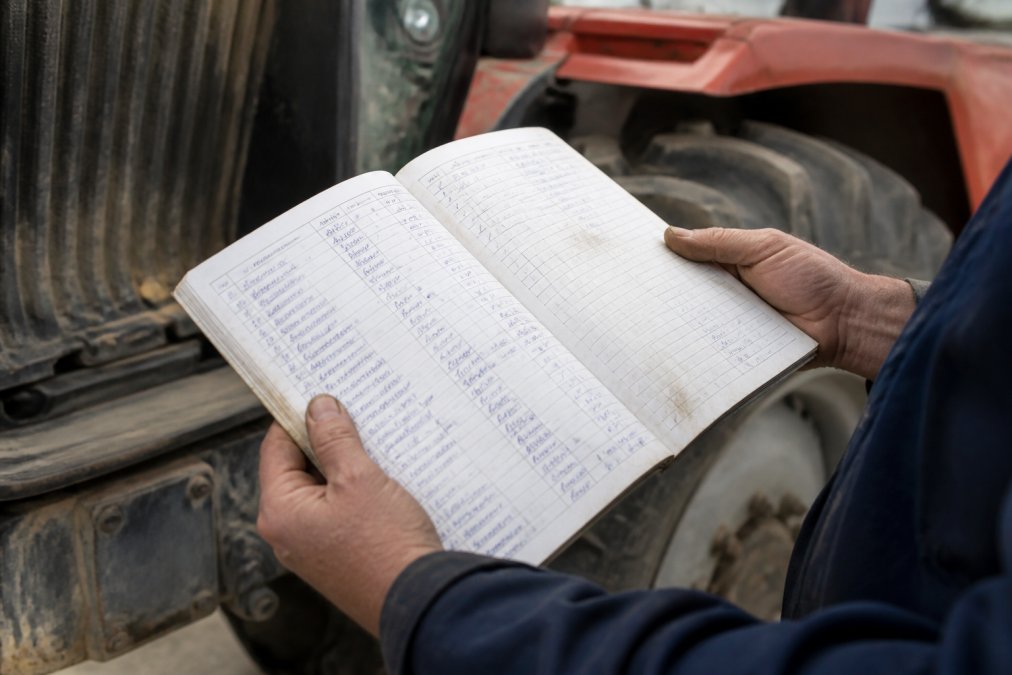
Digital tools make this easier. Many farmers use spreadsheets or dedicated farm management apps that send reminders when services are due. Keep records of every service performed: date, hours, work completed, parts replaced, and technician notes. This history becomes invaluable for troubleshooting future problems and documenting warranty coverage.
Document everything. When a problem emerges months later, your maintenance logbook proves you’ve followed service intervals properly. This protects warranty claims and helps technicians diagnose issues faster.
How to Book a Service Appointment for Maximum Uptime
Booking strategically means timing repairs around your operational calendar, not around the technician’s convenience.
Step 1: Identify Your Maintenance Window
Review your seasonal calendar. When is your machinery least critical? For most Mallee farmers, this is late winter to early spring (June-August) before planting season.
Step 2: Check Current Equipment Status
Before calling, know what you’re bringing in. Run diagnostics if your equipment has onboard systems. Note any symptoms: unusual sounds, fluid leaks, performance changes.
Step 3: Contact Your Technician Early
Call 3-4 weeks before your preferred service date. This gives the technician time to schedule you without rush fees and order parts if needed.
Step 4: Specify Your Needs Clearly
Tell the technician your equipment model and year, current operating hours, specific symptoms or concerns, whether you need on-site service or can bring equipment in, and your preferred timeframe.
Step 5: Confirm Parts Availability
Ask whether parts will be in stock or need ordering. If ordering is necessary, confirm the delay won’t push your service past your deadline.
Step 6: Discuss Service Options
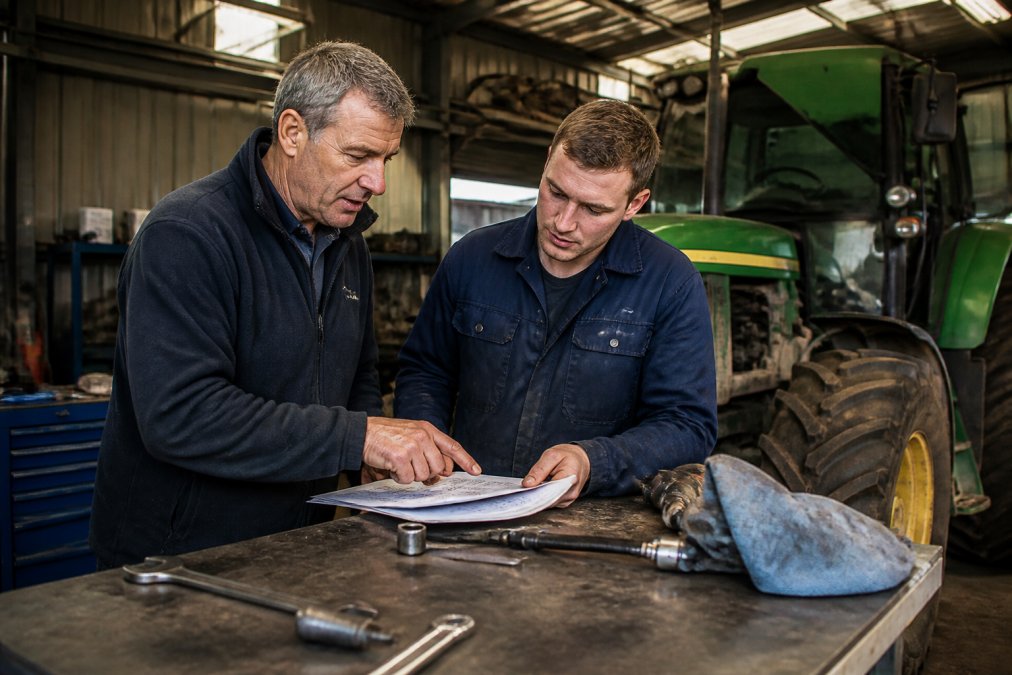
You can bring equipment to the workshop for comprehensive diagnostics and repairs, or mobile technicians can perform field-side diagnostics and routine maintenance on-site. For urgent issues during critical periods, field service minimises downtime.
Step 7: Plan for Downtime
Know how long the service will take. Routine oil changes might take 2-3 hours. Hydraulic flushes or transmission work can take a full day or more.
The secret to minimising downtime isn’t rushing the repair, it’s scheduling it before you need it. A planned service during a slow period beats an emergency breakdown during harvest every time.
Preventative Maintenance vs. Breakdown Repairs: Cost and Time
Preventative maintenance costs money upfront but saves substantially over time. Breakdown repairs are expensive, disruptive, and often damage additional components.
Preventative Maintenance Advantages:
You control the timing and can schedule around your operational calendar. Parts availability improves when you book ahead. Technician availability improves because scheduled appointments fit efficiently into their calendar. Damage is contained, catching wear early prevents cascading failures. A worn hydraulic seal replaced during routine service costs far less than a complete hydraulic system failure.
Breakdown Repair Disadvantages:
Timing is catastrophic, as breakdowns happen when you’re busiest. Parts sourcing becomes urgent with rush fees. Technician availability suffers, forcing you to either wait days or pay premium rates. Secondary damage is common, a hydraulic failure can damage the pump and motor, not just the seal.
A routine hydraulic service costs less than a major repair and takes 4-6 hours during a slow period. Ignoring hydraulic maintenance until a seal fails during peak season means the pump cavitates, damaging the motor. Now you’re looking at a complete hydraulic system replacement: multiple days of downtime, expensive parts, and premium labour rates.
Seasonal Considerations for Equipment Readiness
The Mallee’s distinct seasons demand specific preparation strategies.
Spring (September-November):
This is planting season. Pre-season inspections are critical. Check all fluid levels, filters, belts, and hoses. Book pre-season services in August, before demand peaks.
Summer (December-February):
Heat stress peaks. Check coolant concentration and radiator cleanliness monthly. Irrigation demands mean hydraulic systems are under constant load. Monitor for leaks and pressure anomalies.
Autumn (March-May):
Harvest season is intense. Pre-harvest inspections in late August and early September are essential. Post-harvest, schedule major maintenance while you have time.
Winter (June-August):
This is your maintenance window. Equipment demand drops and technicians have availability. Schedule major services, overhauls, and component replacements now.
Never delay pre-season inspections until the week before you need equipment. If problems emerge, you won’t have time to fix them. Spring failures are expensive because technicians are overbooked and parts are in high demand.
Conclusion
Scheduling farm equipment repairs in 2026 is fundamentally different from five years ago. The Right to Repair legislation has given you back control over timing, which technician you use, and costs.
The strategy is straightforward: understand your equipment’s service intervals, build a maintenance calendar aligned with your seasonal demands, and book appointments 3-4 weeks in advance. This approach keeps your machinery reliable, minimises catastrophic downtime, and reduces overall repair costs.
At Mallee Auto & Agricultural Services in Mildura, we work with local farmers to align maintenance scheduling with their operational calendar. Our skilled mechanics use modern diagnostic tools to identify issues before they become expensive failures. We offer fair, transparent pricing and pensioner discounts, ensuring reliable equipment care without hidden costs. Book your service appointment today and keep your farm running smoothly through every season.
Frequently Asked Questions
What are the key changes in the Right to Repair laws for farm machinery in 2026?
The 2026 Right to Repair legislation gives farmers greater access to diagnostic software, repair manuals, and spare parts for agricultural equipment. This means you can choose independent technicians or perform certain repairs yourself without voiding warranties, provided work meets safety and engineering standards. The laws aim to reduce downtime and repair costs by breaking manufacturer monopolies on service information. Check with your equipment supplier for which specific machines are covered under the new framework.
How far in advance should I schedule farm equipment servicing to avoid harvest downtime?
Book major servicing 4-6 weeks before your peak operational season. For tractors and harvesters, schedule preventative maintenance during low-activity periods such as winter or early spring. Provide your technician with a maintenance logbook showing previous service dates and any recurring issues. This advance notice allows qualified technicians to order parts, plan on-site visits, and complete diagnostics without rushing, ensuring your equipment is field-ready when you need it most.
What should be included in a farm machinery maintenance checklist?
A comprehensive farm machinery maintenance checklist covers hydraulic system inspections, engine diagnostics, fluid level checks (oil, coolant, hydraulic fluid), belt and hose condition, tyre pressure and wear, battery health, and electrical system function. Document each inspection with dates and findings in a maintenance logbook. Include seasonal tasks such as preparing equipment for harvest or storing it over winter. Keep records of all service intervals completed, this protects your warranty and proves due diligence if equipment fails unexpectedly.
Is preventative maintenance really worth the cost compared to fixing breakdowns as they happen?
Preventative maintenance typically costs 30-40% less than emergency breakdown repairs because planned servicing catches issues early, reduces labour time, and prevents secondary damage. A breakdown during harvest can cost thousands in lost productivity and rushed repair fees. Scheduled servicing preserves equipment longevity, maintains operational efficiency, and keeps your farm compliant with any federal compliance or warranty requirements. For agricultural business owners, the uptime gained and repair costs avoided make preventative maintenance the more cost-effective choice over time.
This article was written using GrandRanker
