
Table of Contents
- Best Brake Pads for Daily Driving Australia: Quick Comparison
- Ceramic vs Semi-Metallic Brake Pads: What’s Right for Your Car
- How to Choose Brake Pads for Your Car: Key Selection Criteria
- Best Brake Pad Brands Australia Offers for Daily Drivers
- Brake Pad Wear Signs and When to Replace
- Brake Pad Installation, Bedding-In, and Maintenance
- Common Mistakes When Choosing Daily Driver Brake Pads
- Frequently Asked Questions
Last Updated: October 18, 2026
Best Brake Pads for Daily Driving Australia: Quick Comparison
Choosing the right brake pads for daily driving feels straightforward until you’re standing in a parts shop facing ceramic, semi-metallic, and organic options. Each type behaves differently under real-world conditions, and what works brilliantly for highway commuting might disappoint during city stop-and-go driving.
The best brake pads for daily driving in Australia balance responsive braking, minimal noise, and reasonable longevity without costing a fortune. Your choice depends on your vehicle, how you drive, and whether you prioritise comfort or performance.
Comparison Table
| Pad Type | Best For | Heat Resistance | Brake Dust | Noise | Cost |
|---|---|---|---|---|---|
| Ceramic | Daily city and highway driving | Moderate | Low | Very low | Higher |
| Semi-metallic | Performance and towing | High | Moderate-High | Moderate | Mid-range |
| Organic | Budget-conscious drivers | Lower | Moderate | Low | Lower |
Ceramic vs Semi-Metallic Brake Pads: What’s Right for Your Car
The material your brake pads are made from changes how your braking system feels and performs. Ceramic and semi-metallic pads dominate the daily-driver market because they offer different strengths, and understanding those differences prevents buyer’s remorse.
Ceramic Pads for Everyday Comfort
Ceramic brake pads are engineered from a composite material that includes ceramic particles, bonding agents, and friction modifiers. They deliver quiet, smooth braking with minimal dust, which keeps your wheels cleaner longer. For drivers in Mildura who value a comfortable, whisper-quiet commute, ceramic pads excel.
Ceramic pads generate less heat than semi-metallic alternatives, making them ideal for moderate daily driving. They resist fade during normal use and maintain consistent stopping power across a range of temperatures.
EBC Greenstuff pads represent a popular ceramic-based option that combines responsive bite with the comfort ceramic pads are known for.
Ceramic pads perform best when bedded in correctly. Gentle braking for the first 200 kilometres allows the pad material to bond properly with your rotor, ensuring optimal performance for months to come.
Semi-Metallic Pads for Performance and Durability
Semi-metallic brake pads contain 30-65% metal content, typically iron, copper, and steel. This composition makes them harder and more durable than ceramic pads, with superior heat resistance and longer service life.
The downside is noise and brake dust. Semi-metallic pads generate more dust than ceramic alternatives, requiring more frequent wheel cleaning. They also produce a slightly higher-pitched braking sound.
For daily drivers in the Mallee region who occasionally tow a trailer or tackle steep grades, semi-metallic pads offer insurance against brake fade and extended pad life.
Organic Pads: The Budget-Friendly Option
Organic brake pads are made from a mixture of resin, rubber, glass, and other non-metallic materials. They’re the most affordable option and deliver quiet, smooth braking comparable to ceramic pads. For budget-conscious vehicle owners or those with older vehicles, organic pads make sense.
The catch: organic pads wear faster than ceramic or semi-metallic alternatives and generate more brake dust. They also have lower heat resistance, which means they’re not ideal for heavy use, towing, or sustained braking on long descents. For daily city driving with light to moderate braking demands, they’re perfectly adequate.
How to Choose Brake Pads for Your Car: Key Selection Criteria
Selecting the best brake pads for daily driving in Australia requires matching pad type to your vehicle’s braking system, your driving habits, and local conditions. A one-size-fits-all approach doesn’t work because your car’s weight, brake system design, and how you actually drive all influence which pads will perform best.
Vehicle Fitment and Compatibility
Your vehicle’s make, model, year, and brake system design determine which pads will fit and function correctly. Brake systems vary: some vehicles use single-piston calipers, others use multi-piston designs. Rotor size and thickness also differ. Installing the wrong pad size or type can compromise braking safety and damage your rotors.
Before shopping, identify your vehicle’s exact specifications. Check your owner’s manual or consult a mechanic in Mildura who can confirm your brake system details. Automotive retailers often offer fitment guides. Never guess, incorrect fitment is a safety issue and a waste of money.
Installing pads that don’t match your vehicle’s brake system can cause uneven braking, longer stopping distances, and rotor damage. Always verify fitment before purchase.
Driving Style and Conditions
How you drive and where you drive determines pad stress and heat generation. City driving with frequent stops demands pads that resist brake fade and provide consistent stopping power. Highway cruising with occasional braking is gentler on pads. Towing, mountainous terrain, or spirited driving generates more heat and requires pads with superior heat resistance.
Australian driving conditions vary widely. Mildura’s semi-arid climate means dust and heat are factors. Drivers who regularly travel between the Mallee region and the coast encounter different temperatures and humidity. Consider your typical driving mix: if you’re mostly in town, ceramic pads are ideal.
Brake Dust and Noise Considerations
Brake dust accumulates on wheels and is harder to remove than regular dirt. Ceramic pads produce minimal dust, keeping wheels cleaner longer. Semi-metallic pads generate noticeably more dust, requiring more frequent cleaning. Organic pads fall in between.
Noise matters too, especially in quiet vehicles or if you value a smooth, silent commute. Ceramic pads are nearly silent. Semi-metallic pads may produce a slight squeal under certain conditions, though quality pads like Brembo Prime minimise this. Organic pads are also quiet but wear faster.
Best Brake Pad Brands Australia Offers for Daily Drivers
Several established brands deliver reliable brake pads for daily driving. Each has a reputation built on consistent performance, and each offers options across the ceramic-to-semi-metallic spectrum.
EBC Greenstuff: Responsive Bite with Comfort
EBC Greenstuff pads are engineered for drivers who want more stopping power than entry-level ceramic pads without sacrificing the comfort and quiet of ceramic technology. They combine responsive bite with heat resistance, making them suitable for mixed driving in Australian conditions.
Greenstuff pads are widely available in Australia through automotive retailers and online suppliers. They’re priced in the mid-range, reflecting their performance tier. For daily drivers in Mildura seeking a balance between responsiveness and comfort, EBC Greenstuff is a solid choice.
PowerStop Z16 Evolution: Affordable Ceramic Upgrade
PowerStop Z16 Evolution ceramic pads deliver quiet, low-dust braking at an affordable price point. They’re engineered for everyday driving.
These pads are commonly available through major Australian automotive retailers. They represent a good entry point into quality ceramic braking without the premium pricing of some European brands.
Brembo Prime and Bosch: Established Reliability
Brembo Prime and Bosch brake pads carry the weight of decades of engineering and real-world testing. Both brands offer ceramic-based pads suitable for daily driving, with Brembo known for performance and Bosch for consistency and value.
Brembo Prime pads deliver responsive braking with low noise and dust. Bosch pads are engineered for balance across a range of vehicles and driving styles.
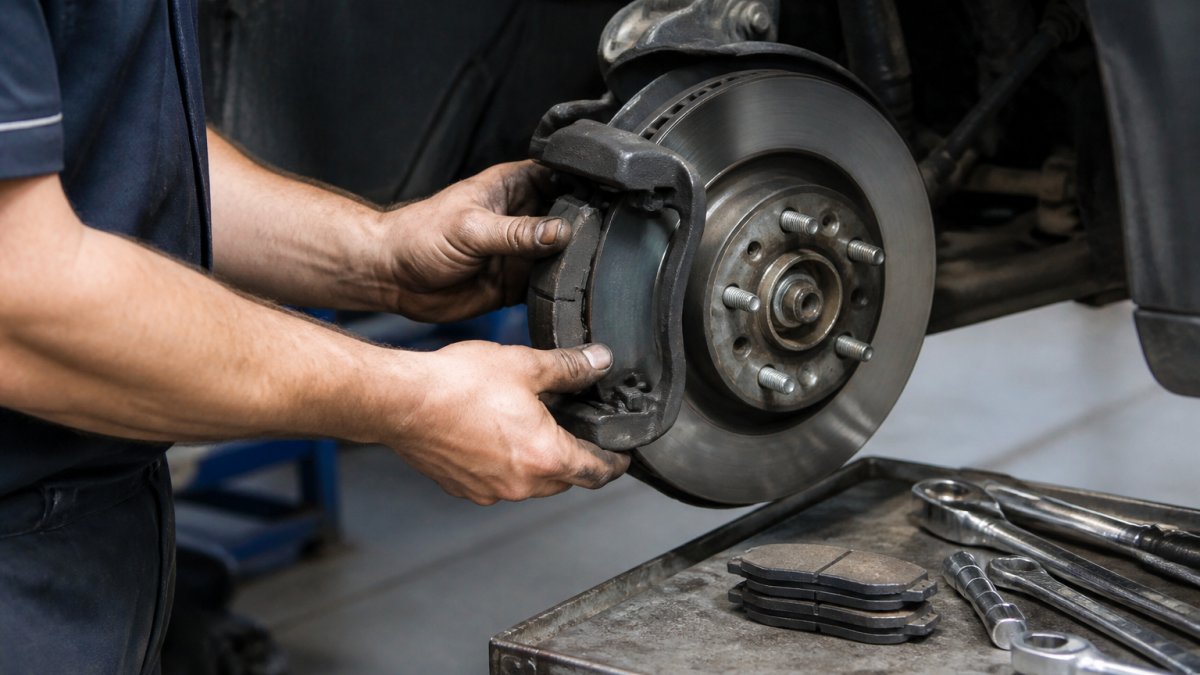
Brake Pad Wear Signs and When to Replace
Brake pads don’t last forever. Knowing when to replace them prevents brake fade, rotor damage, and safety issues. Australian driving conditions, vehicle weight, and your braking habits influence actual lifespan.
Visual and Auditory Warning Indicators
Brake pad thickness is the primary wear indicator. Most pads are 10-12mm thick when new. When they wear down to 3mm or less, replacement is urgent. Many pads include a wear indicator tab that contacts the rotor and produces a high-pitched squeal when pads are nearly worn. If you hear this noise, book a brake inspection immediately.
Visually inspect your pads through the wheel spokes if possible. If the pad material is noticeably thin or the metal backing plate is visible, replacement is overdue. Never ignore brake noise or a soft brake pedal, these are signs of serious wear.
Performance Changes and Stopping Distance
As pads wear, you’ll notice your braking feel changes. The brake pedal may feel softer or require more pressure to stop. Stopping distance may increase slightly. If braking feels mushy or unresponsive, have your brakes inspected by a mechanic in Mildura who can measure pad thickness accurately and check rotor condition.
Brake Pad Installation, Bedding-In, and Maintenance
Installing new brake pads correctly and bedding them in properly ensures optimal performance and longevity. This is where professional service makes a real difference.
Professional Installation and Rotor Inspection
When you replace brake pads, your mechanic should inspect rotors for wear, damage, or warping. Worn rotors reduce braking performance and cause new pads to wear faster. Many rotors can be resurfaced; some must be replaced. A proper brake service includes rotor assessment and any necessary work.
Professional installation ensures pads are seated correctly, caliper hardware is cleaned and lubricated, and everything is torqued to specification. DIY pad replacement is possible, but professional installation guarantees the job is done right. At Mallee Auto & Agricultural Services, we inspect your entire braking system during pad replacement, catching problems before they become expensive.
Professional brake service includes rotor inspection and any necessary resurfacing, not just pad replacement. This protects your investment and ensures safe braking.
Bedding-In New Pads Correctly
New brake pads need bedding-in to reach full performance. This involves a gradual process of building up heat and establishing proper contact between pad and rotor. For the first 200 kilometres, use gentle to moderate braking. Avoid hard stops and extended downhill braking until pads are fully bedded.
Proper bedding-in takes a few days of normal driving. Rushing this process by hard braking too early can glaze the pads and reduce performance. Your mechanic will advise on bedding-in procedure specific to your pads and vehicle.
Regular Maintenance to Extend Pad Life
Gentle braking habits extend pad life significantly. Anticipate stops, brake smoothly, and avoid hard braking when possible. In Mildura’s traffic, this means leaving extra distance between vehicles and slowing gradually rather than braking hard at the last moment.
Regular brake fluid checks and rotor inspection also extend pad life. Contaminated brake fluid reduces braking performance and accelerates pad wear. A mechanic should inspect your braking system annually or every 20,000 kilometres.
Common Mistakes When Choosing Daily Driver Brake Pads
Many vehicle owners make the same mistakes when selecting brake pads. Understanding these pitfalls helps you avoid them.
The biggest mistake is choosing pads based on price alone. The cheapest organic pads wear quickly and generate excessive dust.
Another common error is ignoring rotor condition. Worn or damaged rotors reduce new pad performance and accelerate pad wear.
Some drivers also choose pads without confirming fitment. Installing the wrong size or type causes uneven braking and rotor damage.
At Mallee Auto & Agricultural Services in Mildura, we help vehicle owners select and install the right brake pads for their needs.
Frequently Asked Questions
What are the best brake pads for a daily driver?
For daily driving, ceramic brake pads offer the best balance of comfort, low dust, and quiet operation. Semi-metallic pads provide better stopping power and durability if you drive in hilly terrain or tow regularly. The right choice depends on your vehicle’s fitment, your driving conditions, and whether brake dust on wheels concerns you. Always confirm compatibility with your vehicle before purchasing.
Is it better to get ceramic or semi-metallic brake pads?
Ceramic pads suit everyday urban and suburban driving because they produce less brake dust, run quieter, and offer smooth modulation. Semi-metallic pads excel in demanding situations: mountain driving, towing, or frequent braking in heavy traffic. They tolerate higher temperatures and last longer but generate more dust and noise. Match your choice to your driving style and local conditions.
How do I know when my brake pads need replacing?
Listen for a high-pitched squeal or grinding sound when braking, which signals worn pads. Check pad thickness visually through the wheel spokes: most pads should be at least 3mm thick. If braking feels softer or requires more pedal pressure, or if your stopping distance increases, have your brakes inspected immediately. Professional mechanics can measure wear accurately using modern diagnostic tools.
Can the wrong brake pads affect my stopping distance?
Yes. Pads with poor heat resistance may experience brake fade on long descents, reducing stopping power. Pads mismatched to your vehicle’s braking system can cause uneven wear, leading to longer stopping distances and increased safety risk. Using pads rated for lower temperatures than your driving demands compromises performance. Always select pads engineered for your vehicle’s specifications and your typical driving conditions.
