
Table of Contents
- Diesel vs Petrol Engine Maintenance: Core Differences
- Diesel Service Intervals Australia: What Your Schedule Should Look Like
- Maintenance Costs: Diesel vs Petrol Engines
- Common Diesel Engine Problems in Australia and Prevention
- DPF Filter Cleaning Cost Australia and Maintenance
- Petrol Engine Maintenance: What to Expect
- Which Engine Type Requires Less Maintenance?
- Conclusion
Last Updated: August 26, 2026
Diesel vs Petrol Engine Maintenance: Core Differences
Understanding the distinction between diesel and petrol engine maintenance is essential for vehicle owners in Mildura and across regional Victoria. These two engine types operate on fundamentally different principles, which means their maintenance schedules, common failure points, and repair costs diverge significantly.
Diesel engines run hotter and operate under higher compression than petrol counterparts, delivering better fuel efficiency and torque (peer-reviewed research). However, that intensity creates specific wear patterns and maintenance demands that petrol owners rarely encounter. Petrol engines are mechanically simpler but have their own vulnerabilities, particularly in fuel system and ignition components.
At Mallee Auto & Agricultural Services, we service both engine types regularly. Getting maintenance wrong can mean unnecessary repairs or catastrophic engine failure. Below, we’ll show you exactly how diesel vs petrol engine maintenance requirements differ, what to expect in costs and intervals, and which engine type requires less ongoing attention.
Diesel Service Intervals Australia: What Your Schedule Should Look Like
Diesel engines typically operate on longer service intervals than petrol engines. This extended interval is one of diesel’s genuine advantages, though the work is often more involved and costly when service time arrives.
Diesel fuel’s natural lubricating properties and the engine’s strong design enable longer intervals. However, diesel service intervals Australia-wide still demand strict adherence because skipping a service can result in fuel injector carbon buildup, glow plug failure, or catastrophic DPF (diesel particulate filter) blockage.
Your diesel service schedule should include:
- Oil and filter changes at manufacturer intervals (typically 10,000-15,000 km) (the CDC)
- Fuel filter replacement every 20,000-30,000 km
- Air filter inspection and replacement as needed
- DPF regeneration monitoring and cleaning when required
- Coolant and brake fluid checks at regular intervals
- Transmission fluid inspection (especially for automatics)
If your truck or tractor operates in dusty conditions or tows regularly, consider servicing at the shorter end of the interval range. Modern diagnostic tools can reveal early warning signs of wear before they become expensive problems.
A common misconception is that diesel engines need servicing less often because they last longer. While diesel engines can run 300,000+ kilometres if maintained properly, that longevity depends on hitting service dates precisely. A single missed service can introduce contaminants that shorten engine life significantly.
Maintenance Costs: Diesel vs Petrol Engines
Diesel services typically cost more per visit, but longer intervals between services can partially offset that expense. The real cost divergence emerges when repairs are needed.
Diesel fuel injectors are precision components that cost significantly more to replace than petrol fuel injectors. Similarly, DPF cleaning, a procedure unique to modern diesel vehicles, represents a substantial cost that petrol owners never face.
Petrol engine maintenance is generally cheaper per service visit because the work is simpler and parts are less expensive. However, petrol vehicles often need servicing more frequently, which means more total visits to the workshop over a vehicle’s lifetime. For a vehicle driven 15,000 kilometres annually, a petrol car might visit the workshop more times per year, while a diesel vehicle visits once or twice.
Modern diagnostic tools help identify issues accurately, avoiding unnecessary repairs and keeping costs transparent.
| Maintenance Factor | Diesel Engines | Petrol Engines |
|---|---|---|
| Service interval | 10,000-15,000 km | 5,000-10,000 km |
| Oil and filter change cost | Higher (synthetic oil often required) | Lower (conventional or synthetic) |
| Fuel filter replacement | Every 20,000-30,000 km | Every 40,000-60,000 km (less frequent) |
| DPF cleaning/replacement | Yes (major cost when needed) | No |
| Glow plug replacement | Common wear item | N/A |
| Fuel injector servicing | More frequent, higher cost | Less frequent, lower cost |
| Overall annual cost | Often lower due to longer intervals | Often higher due to frequent services |
Diesel vehicles are sensitive to fuel contamination and water ingress. Using poor-quality fuel or improperly stored fuel can damage fuel injectors and the fuel pump. Petrol vehicles are more forgiving, though they benefit from quality fuel as well.
Common Diesel Engine Problems in Australia and Prevention
Diesel engines in Australia face specific challenges related to climate, fuel quality, and operating conditions. The Mallee region’s dust, heat, and agricultural demands create an environment where certain diesel problems emerge more frequently.
The most common diesel engine issues include fuel system contamination, glow plug failure, DPF blockage, and turbocharger problems. Understanding these issues and how to prevent them can save thousands in repair costs.
DPF Filter Issues and Cleaning
The diesel particulate filter traps soot particles from the exhaust. Over time, these particles accumulate and must be burned off through regeneration, typically during highway driving at sustained engine load. If regeneration doesn’t occur regularly, the DPF becomes blocked and triggers warning lights.
A blocked DPF reduces engine power, increases fuel consumption, and can eventually cause engine damage. Vehicles used primarily for short urban trips may not reach the conditions needed for regeneration. Many owners in Mildura who use vehicles for short runs find themselves needing manual DPF cleaning.
Prevention involves:
- Regular highway driving at sustained RPM to allow natural regeneration
- Using quality diesel fuel free from contamination
- Maintaining engine oil at the correct level and viscosity
- Avoiding excessive idling
- Monitoring warning lights and addressing them promptly
Early intervention with professional cleaning is far cheaper than allowing the filter to become so blocked that replacement is required.
Glow Plug Failures
Glow plugs warm the combustion chamber before starting a cold diesel engine. In Australian winters, especially in elevated areas of Victoria, glow plug failures become more common.
A failing glow plug causes hard starting, rough idle, and white smoke during cold starts. Glow plugs typically last 80,000 to 100,000 kilometres. If one fails, others are likely to follow soon, so replacing the full set is usually more economical than replacing individual plugs.
Fuel Injector Problems
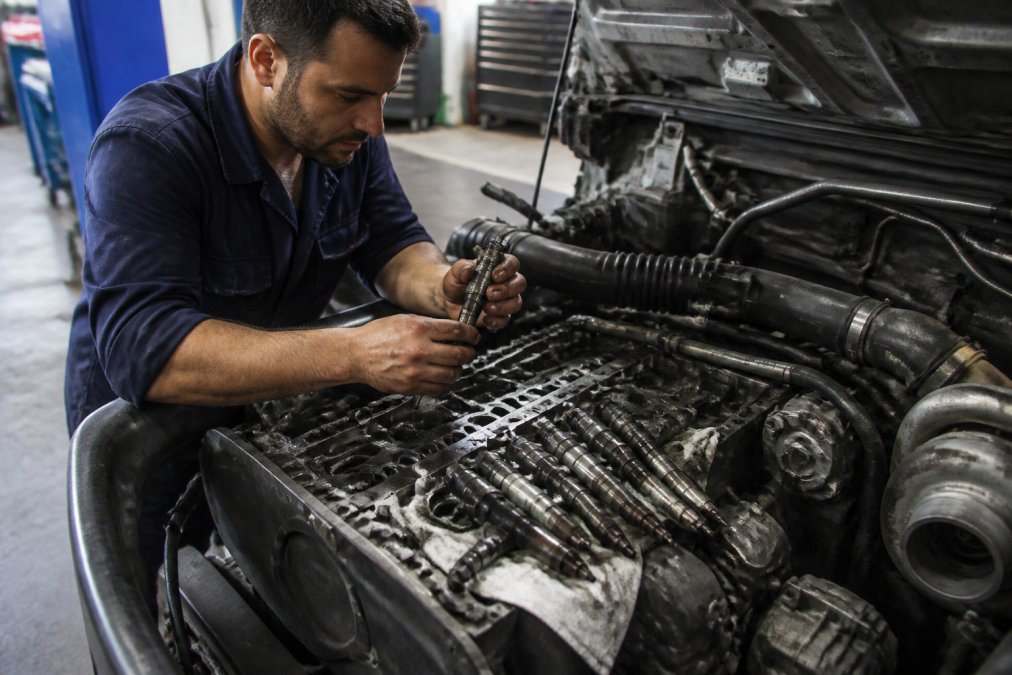
Diesel fuel injectors operate under extreme pressure and precision tolerances. Contaminated fuel, water in the fuel tank, or poor-quality diesel can damage injectors, causing rough idle, loss of power, black smoke, and increased fuel consumption.
Fuel injector cleaning or replacement is expensive because injectors must be removed, tested, and either cleaned professionally or replaced. Prevention is far more cost-effective: use fuel from reputable suppliers, store fuel properly, and replace fuel filters on schedule.
DPF Filter Cleaning Cost Australia and Maintenance
DPF filter cleaning is one of the most significant maintenance costs diesel owners face. The procedure involves removing the filter, subjecting it to high-temperature cleaning to burn away accumulated soot, and reinstalling it.
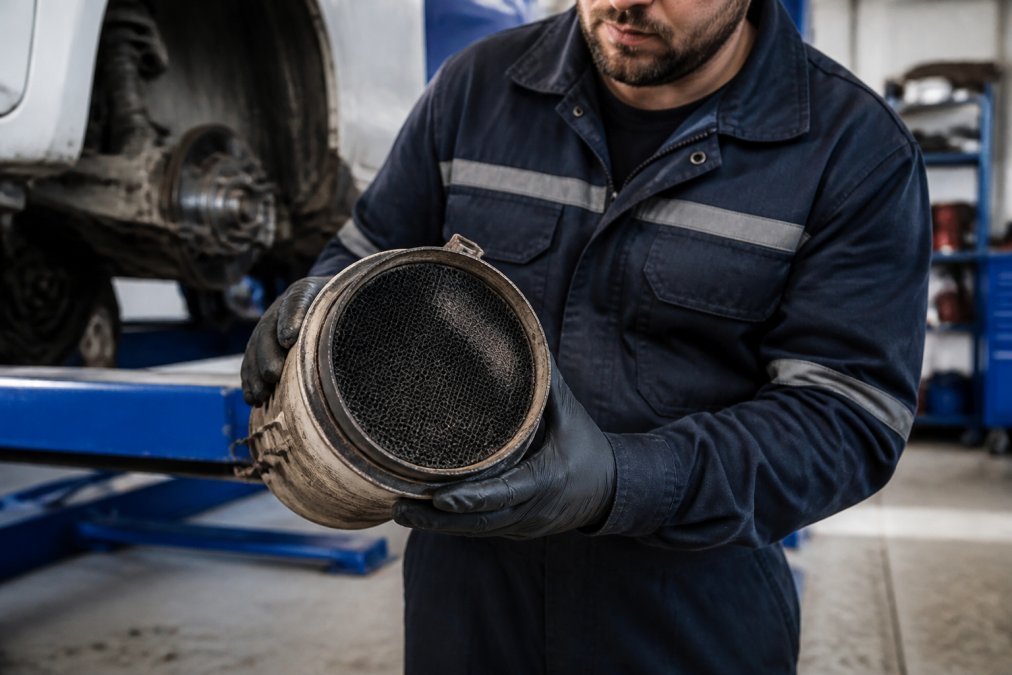
The cost depends on whether the filter can be cleaned in place or must be removed, the vehicle’s make and model, and labour rates. Some modern vehicles allow in-vehicle DPF regeneration using specialized equipment, which is less invasive than removal. Many owners assume replacement is the only option when professional cleaning restores filter function at a fraction of the replacement cost.
Prevention strategies reduce the likelihood of needing DPF cleaning:
- Ensure the engine reaches operating temperature regularly
- Drive at highway speeds periodically to allow natural regeneration
- Maintain proper oil levels and change oil on schedule
- Use quality diesel fuel and replace fuel filters as scheduled
- Avoid excessive idling
Addressing DPF warning lights early keeps costs down. A partially blocked filter can often be cleaned; a severely blocked filter may require replacement, which is significantly more expensive.
Petrol Engine Maintenance: What to Expect
Petrol engines require more frequent servicing than diesel engines, but each service is typically simpler and less costly. You’ll visit a workshop more often over your vehicle’s lifetime, though the total cost per service is usually lower.
Petrol service intervals typically fall between 5,000 and 10,000 kilometres. Synthetic oil, now standard on most modern petrol vehicles, extends intervals slightly. Petrol engine maintenance focuses on spark plugs, fuel filters, air filters, and transmission fluid. Spark plugs need replacement every 30,000 to 100,000 kilometres, depending on plug type.
One advantage of petrol engines is simplicity. Fewer complex components mean fewer potential failure points. Glow plugs and DPF systems don’t exist. However, modern turbocharged and direct-injection petrol engines introduce complexity that rivals diesel engines and demand quality fuel and regular servicing.
Petrol engines tolerate cold starts and low-load operation better, making them more forgiving for stop-and-go driving patterns. For urban drivers covering short distances frequently, petrol engines require less total maintenance effort.
Which Engine Type Requires Less Maintenance?
The answer depends on how you use your vehicle. For long-distance drivers and agricultural operators covering significant kilometres regularly, diesel engines often require less total maintenance despite higher costs per service. A diesel truck driven 100,000 kilometres annually might visit a workshop 6-8 times per year for scheduled services. A comparable petrol vehicle might visit 10-12 times.
However, diesel’s advantage evaporates if the vehicle isn’t used appropriately. A diesel vehicle used primarily for short urban trips accumulates problems: incomplete DPF regeneration, fuel system contamination, glow plug wear, and turbocharger stress.
Petrol engines are more forgiving of varied usage patterns. For vehicle owners with unpredictable driving patterns or who use their vehicles for short trips, petrol simplicity is genuinely advantageous.
For most vehicle owners in the Mallee region, the choice between diesel and petrol should be based on intended use. If you tow, drive long distances regularly, or operate in harsh conditions, diesel’s efficiency and torque justify the maintenance complexity. If you drive short distances in town and value simplicity, petrol’s straightforward maintenance makes it the better choice.
Keeping your diesel or petrol engine running reliably depends on understanding its specific needs and addressing problems early. At Mallee Auto & Agricultural Services in Mildura, our skilled mechanics have expertise diagnosing and servicing both engine types using modern diagnostic tools. We provide fair, transparent pricing and offer pensioner discounts for eligible customers. Book Now to discuss your vehicle’s maintenance schedule and ensure it’s running smoothly, safely, and efficiently.
=== FAQ ANSWERS (audit these too, same rules) ===
[1] Q: Are diesel engines more expensive to service than petrol engines in Australia?
A: Diesel engines typically have higher servicing costs due to their complexity and specialised components like diesel particulate filters (DPFs) and fuel injectors. However, diesel engines often require servicing less frequently than petrol engines, which can offset some costs over time. The total cost depends on your vehicle’s age, mileage, and specific maintenance needs. Contact Mallee Auto & Agricultural Services for a transparent quote on your diesel vs petrol maintenance.
[2] Q: How often should I service my diesel vehicle compared to a petrol one?
A: Diesel service intervals in Australia typically range from 10,000 to 15,000 kilometres or annually, depending on your manufacturer’s recommendations. Petrol engines often require servicing every 6,000 to 10,000 kilometres or six months. Diesel engines can go longer between services because the fuel burns more efficiently, but they demand more thorough inspections when servicing occurs. Always follow your vehicle’s logbook for exact intervals.
[3] Q: What are the most common diesel engine problems in Australia, and can they be prevented?
A: Common diesel engine problems include DPF blockages, glow plug failures, and fuel injector issues. DPF problems often occur in vehicles used for short, frequent trips rather than highway driving. Glow plugs can fail in cold starts, particularly in winter. Fuel injector deposits build up over time. Prevention involves regular servicing, using quality diesel fuel, undertaking longer drives when possible, and having modern diagnostic tools identify issues early. Mallee Auto & Agricultural Services uses advanced diagnostics to catch these problems before they become costly repairs.
[4] Q: Do diesel engines last longer than petrol engines with proper maintenance?
A: Yes, diesel engines typically have a longer lifespan than petrol engines when properly maintained. Diesel fuel burns more efficiently and creates less wear on engine components. Many diesel engines reach 300,000 kilometres or more with consistent servicing, whilst petrol engines often reach around 200,000 kilometres (the NIH). The key is adhering to manufacturer service intervals and addressing issues promptly. Regular oil analysis and component inspections significantly extend diesel engine life.
Frequently Asked Questions
Are diesel engines more expensive to service than petrol engines in Australia?
Diesel engines typically have higher servicing costs due to their complexity and specialised components like diesel particulate filters (DPFs) and fuel injectors. However, diesel engines often require servicing less frequently than petrol engines, which can offset some costs over time. The total cost depends on your vehicle's age, mileage, and specific maintenance needs. Contact Mallee Auto & Agricultural Services for a transparent quote on your diesel vs petrol maintenance.
How often should I service my diesel vehicle compared to a petrol one?
Diesel service intervals in Australia typically range from 10,000 to 15,000 kilometres or annually, depending on your manufacturer's recommendations. Petrol engines often require servicing every 6,000 to 10,000 kilometres or six months. Diesel engines can go longer between services because the fuel burns more efficiently, but they demand more thorough inspections when servicing occurs. Always follow your vehicle's logbook for exact intervals.
What are the most common diesel engine problems in Australia, and can they be prevented?
Common diesel engine problems include DPF blockages, glow plug failures, and fuel injector issues. DPF problems often occur in vehicles used for short, frequent trips rather than highway driving. Glow plugs can fail in cold starts, particularly in winter. Fuel injector deposits build up over time. Prevention involves regular servicing, using quality diesel fuel, undertaking longer drives when possible, and having modern diagnostic tools identify issues early. Mallee Auto & Agricultural Services uses advanced diagnostics to catch these problems before they become costly repairs.
Do diesel engines last longer than petrol engines with proper maintenance?
Yes, diesel engines typically have a longer lifespan than petrol engines when properly maintained. Diesel fuel burns more efficiently and creates less wear on engine components. Many diesel engines reach 300,000 kilometres or more with consistent servicing, whilst petrol engines often reach around 200,000 kilometres. The key is adhering to manufacturer service intervals and addressing issues promptly. Regular oil analysis and component inspections significantly extend diesel engine life.
This article was written using GrandRanker
