
Table of Contents
- What Makes Reliable Automotive Repair Different
- Check Credentials and Qualifications
- Understanding Logbook Servicing Requirements
- Questions to Ask Before Booking Your Service
- Comparing Car Service Pricing Transparently
- Pensioner Discounts and Cost-Saving Options
- Red Flags That Signal an Unreliable Mechanic
- Conclusion
Last Updated: August 29, 2026
What Makes Reliable Automotive Repair Different
When your vehicle breaks down, the difference between a trustworthy mechanic and one who’ll recommend unnecessary work often comes down to transparency, expertise, and accountability. Reliable automotive repair means getting honest diagnostics, fair pricing, and work that actually solves your problem, not padding the bill with repairs you don’t need.
In Mildura, finding a mechanic you can trust matters. Whether you’re driving a daily commuter, running a farm truck, or maintaining agricultural equipment, you need someone who understands your vehicle and respects your budget. The challenge is that most vehicle owners can’t easily tell the difference between a shop that’s genuinely trying to help and one that’s working primarily on commission.
What separates reliable automotive repair from the rest? It starts with how a workshop approaches diagnosis. A good mechanic uses modern diagnostic tools to identify exactly what’s wrong, then explains findings in plain language before recommending fixes. They don’t upsell; they don’t create urgency around repairs that can wait; and they stand behind their work with genuine guarantees.
At Mallee Auto & Agricultural Services, we’ve built our reputation on this foundation, skilled mechanics with modern diagnostic equipment, transparent pricing, and a commitment to getting your vehicle running safely and efficiently. But beyond finding a single trusted workshop, understanding what makes reliable automotive repair different helps you evaluate any mechanic you’re considering.
Check Credentials and Qualifications
The first step in finding reliable automotive repair is verifying that the mechanic has genuine qualifications. This isn’t just about credentials on a wall, it’s about confirming they’ve been trained to work on your specific vehicle type and that they maintain their knowledge as technology evolves.
Look for mechanics who hold relevant qualifications. In Australia, many skilled mechanics have completed formal apprenticeships or vocational training in automotive servicing. Some specialise further, heavy vehicle mechanics for trucks and farm equipment, light vehicle specialists for cars and SUVs, or diesel engine experts for agricultural machinery. Ask about their background and how long they’ve been working on vehicles like yours.
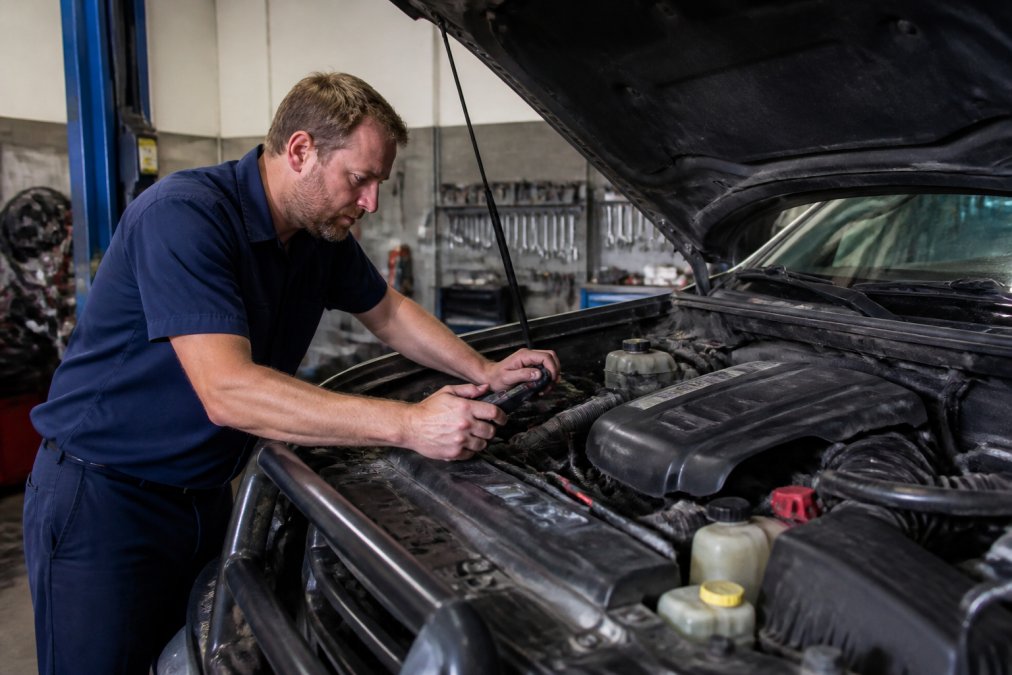
Certifications matter, but so does ongoing training. Vehicle technology changes rapidly. Modern cars have complex computer systems, emissions controls, and safety features that require up-to-date knowledge. A mechanic who regularly updates their skills through manufacturer training or industry courses will diagnose and repair modern vehicles more accurately than one working with outdated knowledge.
For farm equipment and heavy vehicles, ask whether the workshop has experience with your specific machinery. Similarly, if you own a modern European car, you want someone familiar with that brand’s systems.
When you contact a workshop, don’t hesitate to ask about qualifications directly. A reliable shop will be proud to discuss their team’s training and experience. If they’re evasive or dismissive about credentials, that’s a red flag worth noting.
Understanding Logbook Servicing Requirements
Logbook servicing keeps your vehicle’s maintenance history documented and ensures you’re following the manufacturer’s recommended service schedule. This is particularly important for newer vehicles, as skipping scheduled services can void warranties and lead to unexpected failures.
Your vehicle’s logbook outlines when services are due, typically based on kilometres travelled or time elapsed, whichever comes first. Services might be due every 10,000 kilometres or every six months, depending on your vehicle’s age and the manufacturer’s specifications (aaa.asn.au). Sticking to this schedule prevents small issues from becoming expensive repairs and keeps your vehicle running reliably.
Many workshops in Mildura offer logbook servicing, but it’s worth confirming they’ll complete the exact service your manufacturer specifies. Some services are minor (oil and filter changes), while others are major (fluid flushes, filter replacements, component inspections). A reliable mechanic will follow the logbook precisely and explain what’s being done and why.
For farm equipment, similar principles apply. Regular servicing of tractors, harvesters, and other machinery prevents downtime during critical periods. If you’re managing tight harvest windows or seasonal operations, keeping equipment on a maintenance schedule isn’t optional, it’s essential for productivity.
Ask your mechanic whether they’ll stamp your logbook after each service. This documentation protects you when selling the vehicle and provides proof that services were completed on schedule. A workshop that maintains proper records demonstrates attention to detail and professionalism.
Questions to Ask Before Booking Your Service
Before committing to a mechanic, ask questions that reveal how they approach work and whether they’re genuinely focused on your interests. These conversations often tell you more than a website or review ever could.
Start with diagnostic clarity: "How will you diagnose the problem, and what will it cost?" A reliable mechanic will explain their diagnostic process upfront. Some may charge a diagnostic fee (typically modest), while others include it in the service cost. Either way, they should tell you what to expect before you hand over your keys.
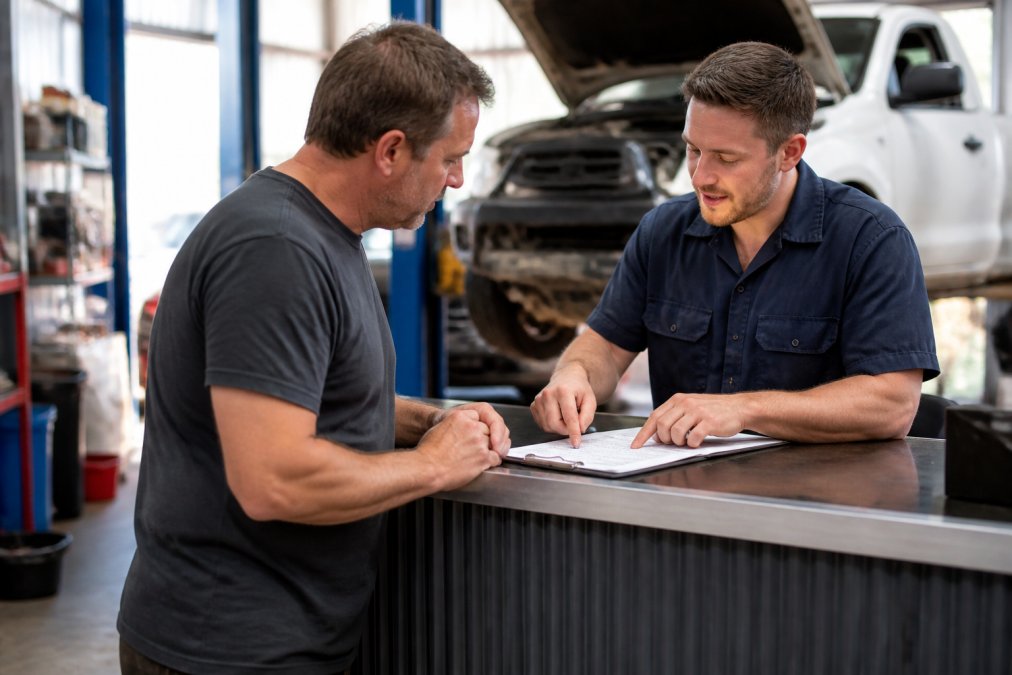
Ask about warranties on repairs: "What guarantee do you offer on the work you do?" Reliable shops stand behind their repairs. Many offer warranties ranging from 30 days to 12 months, depending on the work (accc.gov.au). If a mechanic won’t guarantee their work, question why.
Clarify the pricing process: "Will you contact me before doing any work beyond what I’ve authorised?" This is crucial. A good workshop gets your approval before proceeding with repairs you didn’t initially request. They’ll provide a quote, explain what needs fixing and why, and wait for your go-ahead. If they discover additional issues during the job, they’ll contact you first.
Ask about their experience with your vehicle type: "Have you serviced vehicles like mine before?" For specialised work, whether it’s a modern car with complex electronics, a farm tractor, or a motorbike, you want someone with relevant experience.
For pensioners or those on tight budgets, ask directly: "Do you offer pensioner discounts or payment plans?" Many workshops provide discounts for seniors or flexible payment options. It’s worth asking, and a workshop that offers these options is often signalling that they’re community-focused and understand cost pressures.
Finally, ask about communication: "How will you keep me updated on progress?" Whether it’s a quick phone call or a text message, you should know what’s happening with your vehicle while it’s in the workshop.
Comparing Car Service Pricing Transparently
One of the biggest concerns vehicle owners have is whether they’re being charged fairly. Comparing pricing across workshops helps you understand the local market, but it’s important to compare like with like.
Car service pricing in Mildura varies based on several factors: your vehicle’s make and model, the type of service (minor or major), parts required, and the workshop’s labour rates. A minor service (oil, filter, fluids check) costs less than a major service (which includes additional inspections and replacements). Don’t assume the cheapest option is the best, a workshop that’s significantly cheaper than others might be cutting corners on parts or labour quality.
When comparing prices, ask for a written quote that itemises labour and parts separately. This transparency lets you see exactly what you’re paying for. A reliable workshop will provide detailed quotes without hesitation. If a mechanic gives you a vague estimate or refuses to break down costs, that’s a warning sign.
Ask about parts sourcing. Some workshops use genuine manufacturer parts, while others use aftermarket alternatives. Genuine parts often cost more but may carry longer warranties. Aftermarket parts can be reliable and cost-effective, but you should know which you’re getting. A transparent workshop will discuss this choice with you.
For agricultural equipment and heavy vehicles, pricing becomes more complex due to specialised parts and labour. Ask whether the workshop sources parts locally or imports them, as this affects both cost and turnaround time. During harvest season, quick repairs are worth paying a premium for, downtime costs far more than expedited service.
Don’t hesitate to ask why one quote is higher than another. Sometimes the difference reflects better parts, more experienced labour, or additional services included. Understanding the reason helps you make an informed decision rather than simply choosing the lowest price.
Pensioner Discounts and Cost-Saving Options
For pensioners in the Mallee region, managing vehicle costs on a fixed income is a genuine challenge. Many workshops, including Mallee Auto & Agricultural Services, recognise this and offer pensioner discounts to help make reliable automotive repair more affordable.
When contacting workshops, ask about pensioner discounts upfront. Many offer 10-15% reductions on labour costs or service packages. Some workshops also offer loyalty discounts if you return regularly, or seasonal promotions during quieter periods. These discounts can add up significantly over time, especially if you’re managing multiple vehicles or older vehicles that need more frequent attention.
Beyond discounts, consider other cost-saving strategies. Staying on top of logbook servicing prevents small problems from becoming expensive repairs. A $50 service today beats a $500 repair next month (nrma.com.au). Similarly, addressing warning lights immediately, rather than ignoring them, often results in cheaper fixes.
Ask about payment options. Some workshops offer payment plans for larger repairs, spreading costs across several weeks. This flexibility can make necessary work more manageable when you’re on a pension.
For rural properties and farms, consider whether the workshop offers mobile servicing or will travel to your location. This saves you transport costs and keeps equipment on your property rather than requiring a trip to town. Some mechanics in the Mildura area specialise in on-site repairs for farm equipment, which can be more cost-effective than towing.
Don’t be shy about discussing budget constraints with your mechanic. A reliable workshop will help you prioritise repairs, identifying what’s urgent versus what can wait, so you’re spending money on what genuinely matters for your vehicle’s safety and reliability.
Red Flags That Signal an Unreliable Mechanic
Certain warning signs suggest a mechanic isn’t operating in your best interest. Learning to spot these red flags helps you avoid workshops that prioritise profit over honest service.
A major red flag is pressure to approve repairs immediately. If a mechanic insists on fixing problems right now without giving you time to consider options or get a second opinion, they’re prioritising speed over your decision-making. Reliable mechanics understand that some repairs can wait a day or two while you think things through.
Vague explanations are another warning sign. If a mechanic can’t explain what’s wrong with your vehicle in language you understand, either they don’t fully understand the problem themselves, or they’re deliberately obscuring it. A trustworthy mechanic will take time to explain issues clearly, using diagrams or demonstrations if needed.
Resistance to providing written quotes is suspicious. Any reputable workshop will put their estimate in writing before starting work. If they’re reluctant to do so, question why. Written quotes protect both you and the workshop by setting clear expectations.
Unexpected additional charges after work is complete should concern you. A reliable mechanic contacts you before doing extra work and explains why it’s necessary. If you’re consistently surprised by charges that weren’t mentioned initially, find a different workshop.
Poor communication is telling. If the workshop doesn’t update you on progress, takes days to return calls, or seems dismissive of your questions, they’re signalling that customer service isn’t a priority. You deserve to know what’s happening with your vehicle.
Finally, be wary of workshops that dismiss your concerns or make you feel rushed. A good mechanic listens to what you’re experiencing with your vehicle and takes your observations seriously. If you describe a noise or handling issue and the mechanic dismisses it without investigating, they’re not giving you proper attention.
Finding reliable automotive repair in Mildura comes down to choosing a workshop that combines technical expertise with genuine transparency. Look for mechanics with proper qualifications, modern diagnostic equipment, and a willingness to explain their work clearly. Ask direct questions about pricing, warranties, and their experience with your vehicle type. At Mallee Auto & Agricultural Services, we’ve built our practice on these principles, skilled mechanics using modern diagnostic tools to deliver accurate repairs, fair transparent pricing with no hidden charges, and pensioner discounts to make quality service accessible. Book now to experience the difference that honest, professional automotive repair makes for your vehicle’s reliability and safety.
Frequently Asked Questions
Q: What should I look for when choosing a mechanic for reliable automotive repair?
A: Look for mechanics who hold current qualifications, use modern diagnostic tools, and provide transparent pricing upfront. Ask whether they perform work according to manufacturer specifications. A reliable mechanic will explain what work is needed, why it's necessary, and what it costs before starting. They should also stand behind their work with a warranty on parts and labour.
Q: How do I know if a mechanic is offering fair car service pricing?
A: Request a written quote before work begins, not just a verbal estimate. Compare quotes from multiple reputable services, but remember that the cheapest option isn't always the best. Fair pricing reflects the mechanic's experience, the quality of parts used, and the warranty offered. Ask whether the quote includes labour time, parts, and any diagnostic fees. Transparent shops itemise everything and explain why each component costs what it does.
Q: What is logbook servicing and why does it matter?
A: Logbook servicing means following the manufacturer's recommended maintenance schedule documented in your vehicle's logbook. Completing services at the intervals specified preserves your warranty, maintains fuel efficiency, and prevents costly repairs later. Records of logbook servicing also protect your vehicle's resale value. A reliable mechanic will follow these schedules precisely and record each service in your logbook as proof of work completed.
Q: Are there pensioner discounts available for car repairs?
A: Many automotive repair businesses offer pensioner discounts to help reduce costs for seniors on fixed incomes. Discounts vary by service and business, so ask directly about what's available. Some offer percentage reductions on labour, parts, or both. Always confirm the discount applies to your specific service before committing, and check whether it combines with other offers. It's worth asking about loyalty discounts too if you plan to return regularly.
This article was written using GrandRanker
