
Table of Contents
- Why Heavy Machinery Repair Services Matter for Local Operators
- Mobile Heavy Diesel Mechanics in Mildura: On-Site and Workshop Solutions
- Heavy Equipment Hydraulic Repair in Mildura: What You Need to Know
- Preventative Maintenance Schedule for Tractors and Farm Equipment
- Diesel Mechanical Services: Engine, Transmission, and Undercarriage Work
- Avoiding Unnecessary Repairs: How to Spot Honest Diagnostics
- Choosing the Right Repair Service for Your Machinery and Budget
- Frequently Asked Questions
Last Updated: August 31, 2026
Why Heavy Machinery Repair Services Matter for Local Operators
Heavy machinery repair services are the difference between profit and catastrophic loss. When a tractor breaks down during harvest or an excavator fails on a critical job, every idle hour costs revenue. The real challenge isn’t finding someone to tinker with an engine, it’s finding someone who understands heavy machinery demands, has proper diagnostic tools, and won’t recommend unnecessary repairs.
This guide covers what you need to know about heavy machinery repair services in the region, from understanding mobile diesel mechanics to spotting honest diagnostics versus upselling. We’ll walk through preventative maintenance schedules that reduce downtime, explain hydraulic repairs, and show you how to evaluate whether a repair shop is worth your trust.
Mobile Heavy Diesel Mechanics in Mildura: On-Site and Workshop Solutions
The best diesel mechanics come to your site, diagnose on location, and often fix problems right there. This cuts downtime dramatically because your machinery isn’t waiting in a queue.
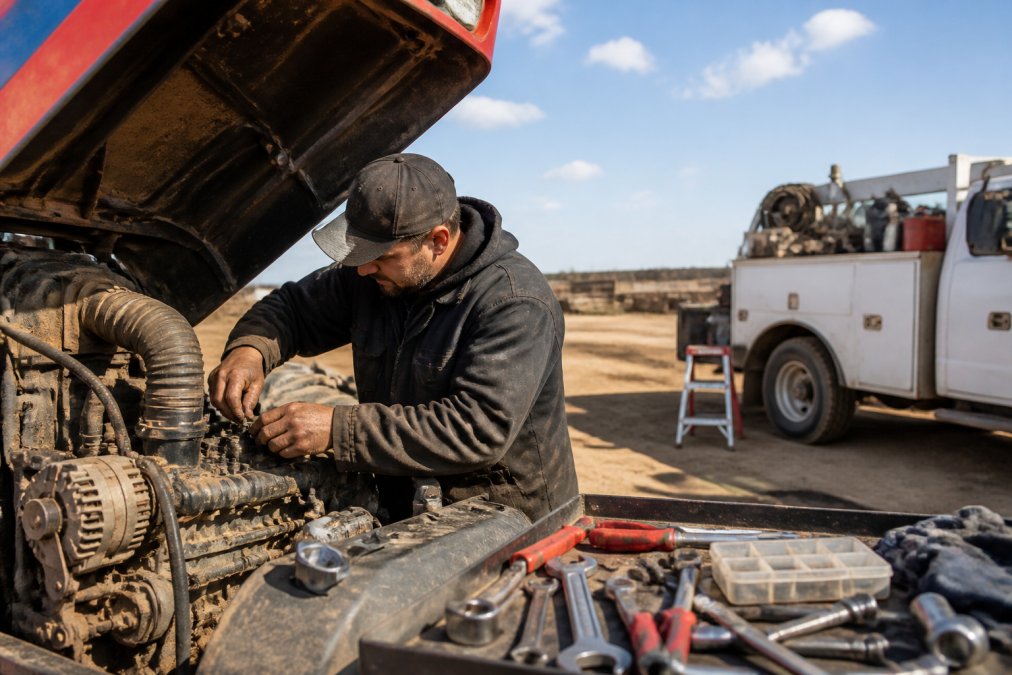
What separates genuine on-site service from a gimmick is capability. A true mobile diesel mechanic arrives with diagnostic equipment that reads fault codes, tests hydraulic pressure, and identifies electrical faults, not just wrenches and a socket set. They carry common replacement parts because waiting days for a component defeats the purpose.
On-site repairs work best for straightforward jobs: hose replacements, belt tensioning, fluid top-ups, filter changes, and basic electrical troubleshooting. When work requires lifting equipment, extended diagnostics, or parts fabrication, a workshop becomes necessary. The best operators use both: mobile service for urgent breakdowns and field maintenance, workshop service for deeper work.
Heavy Equipment Hydraulic Repair in Mildura: What You Need to Know
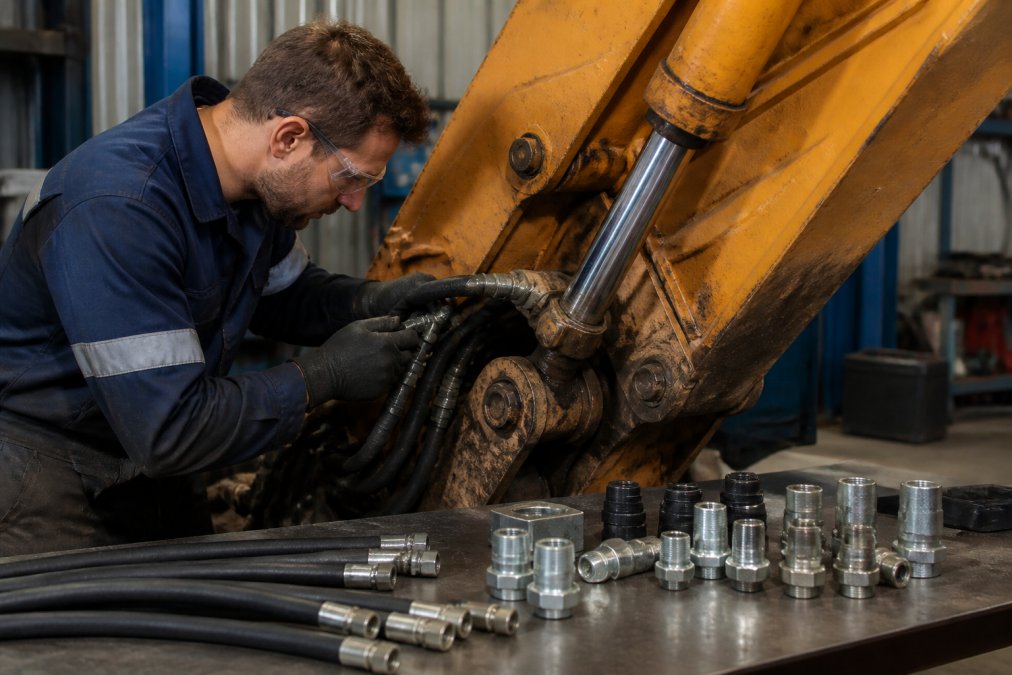
Hydraulic systems power earthmoving equipment, tractors, and construction machinery. When hydraulics fail, the entire machine stops. Understanding what’s actually failing separates expensive guesswork from targeted repair.
Common Hydraulic Failures and Diagnosis
Hydraulic problems fall into distinct categories:
- Pressure loss under load typically indicates a failing pump, leaking cylinder seal, or internal valve bypass. A pressure gauge test under operating load reveals the culprit.
- Slow or jerky cylinder movement often points to contamination in hydraulic fluid or air in the lines. Both require fluid analysis and flushing, not component replacement.
- External leaks at hose connections are straightforward: the fitting is loose, the hose is damaged, or the seal is worn. Tightening, replacing the hose, or replacing the seal fixes it.
- Noise, grinding, whining, or knocking from the pump suggests cavitation, low fluid level, or internal pump wear.
Pressure Testing and Fluid Analysis
Honest hydraulic diagnosis always includes pressure testing before and after repair:
- System pressure at idle (typically 200-350 bar for most equipment) (peer-reviewed research)
- Pressure under load (when the cylinder is working against resistance)
- Pressure drop across the filter (excessive drop indicates a clogged filter)
- Pressure at each component to isolate where pressure is lost
Fluid analysis is equally critical. A fluid sample test reveals viscosity, particle count (ISO 4406 cleanliness code), water content, and acid number. Many operators ignore fluid analysis until a component fails. A $50 fluid analysis can prevent a $5,000 pump replacement.
Brand-Specific Hydraulic Systems
Hydraulic design varies significantly between manufacturers. Caterpillar excavators typically run 280-350 bar system pressure. Komatsu machinery features integrated systems with higher contamination sensitivity. John Deere tractors use lower-pressure systems (often 200-250 bar) with different seal materials. A repair shop that understands these differences diagnoses faster and sources correct parts.
Hose Assembly vs Component Replacement
Hose work is faster and often cheaper. A damaged hose gets replaced within hours. Component work is more involved. A failed hydraulic cylinder, pump, or valve requires removal, possible rebuild or replacement, and reinstallation, a longer, costlier job.
When choosing a repair service, ask whether they stock common hose fittings and cylinders for the brands you operate. Ask whether they can fabricate custom hoses on-site. Ask how they handle pressure testing and whether they provide a fluid analysis report with major repairs.
The key to hydraulic reliability is pressure testing and regular inspection. [Many operators ignore slow leaks or minor pressure drops until the system fails completely](/signs-your-tractor-needs-professional-repair/). Catching these issues early prevents catastrophic failures. A simple pressure test costs far less than replacing a cylinder or rebuilding a pump.
Preventative Maintenance Schedule for Tractors and Farm Equipment
The single most expensive mistake agricultural operators make is treating maintenance as something you do when equipment breaks. Preventative maintenance costs less and keeps equipment running longer.
A basic preventative maintenance schedule for tractors follows manufacturer recommendations:
- Oil and filter changes every 200-400 hours of operation
- Hydraulic fluid inspection every 100 hours, replacement every 1,000 hours
- Air filter changes every 200-400 hours depending on dust exposure
- Coolant checks before each season, full flush every 2-3 years
- Belt and hose inspection every 100 hours, replacement as needed
- Undercarriage cleaning and inspection seasonally
| Maintenance Task | Frequency | Impact |
|---|---|---|
| Oil and filter change | 200-400 hours | Prevents engine wear and sludge buildup |
| Hydraulic fluid inspection | Every 100 hours | Catches contamination before system failure |
| Air filter replacement | 200-400 hours | Maintains engine efficiency and fuel economy |
| Coolant system flush | Every 2-3 years | Prevents overheating and corrosion |
| Belt and hose check | Every 100 hours | Avoids unexpected breakdowns |
| Undercarriage inspection | Seasonally | Extends equipment life and catches damage early |
Scheduled servicing costs are predictable and budgetable. Emergency repairs are unpredictable and often happen at the worst time. A maintenance schedule also creates service history that helps with troubleshooting and increases resale value.
Diesel Mechanical Services: Engine, Transmission, and Undercarriage Work
Diesel engines power most heavy machinery because they’re durable, fuel-efficient, and deliver consistent torque. But diesel engines demand expertise. A mechanic trained on petrol cars often lacks knowledge to diagnose diesel faults accurately.
Engine Diagnostics and Repair
Modern diesel engines use electronic control modules (ECMs) that monitor dozens of sensors. When a fault occurs, the ECM logs a diagnostic trouble code (DTC).
Common diesel fault codes:
- P0087 (Fuel Pressure Too Low) can indicate a failing fuel pump, clogged fuel filter, faulty fuel pressure sensor, or leaking fuel line. Diagnosis requires fuel pressure testing at the pump outlet and injector rail.
- P0101 (Mass Air Flow Sensor Malfunction) affects fuel injection timing. A dirty air filter, failing MAF sensor, or air leak in the intake manifold can trigger this code.
- P0234 (Turbocharger Overboost) indicates the turbo is producing excessive boost pressure, usually from a failing wastegate actuator or boost control solenoid fault.
- P0401 (EGR Flow Insufficient) points to a clogged EGR valve, failed EGR sensor, or vacuum leak in the EGR system.
Diesel fuel injection systems operate at pressures of 1,600-2,000 bar (peer-reviewed research). Injector nozzles are precision-engineered with micron-level clearances. Contaminated fuel, water in the fuel tank, or worn injectors cause rough running, poor fuel economy, and hard starting. Injector cleaning or replacement is common maintenance, but it requires specialist equipment.
Transmission Servicing and Clutch Work
Transmission fluid in heavy machinery breaks down faster than in road vehicles because of dust, heat, and constant operation. Regular fluid changes prevent wear and extend transmission life.
Transmission servicing includes fluid and filter changes every 1,000-2,000 operating hours, clutch inspection for wear or glazing, gear oil analysis to detect metal particles, and seal inspection for leaks.
Clutch problems often stem from operator technique or worn friction material. A slipping clutch loses power transmission and generates heat. A chattering clutch indicates glazed friction surfaces or a warped pressure plate. Both require clutch replacement.
Automatic and semi-automatic transmissions in modern earthmoving equipment use torque converters and electronic shift control. These systems require specialist diagnostic equipment to read transmission fault codes and test solenoid operation.
Undercarriage Work: Suspension, Brakes, and Frame
Undercarriage components take the most punishment. Common failures include brake wear and fade, suspension bushing wear, axle bearing failure, and frame cracks.
- Brake wear occurs faster in heavy machinery because of constant use and high loads. Regular brake fluid flushing (every 2-3 years) prevents moisture-induced corrosion (sae.org). Brake pad inspection every 500 operating hours catches wear before brakes fail.
- Suspension bushing wear causes loose steering and uneven tyre wear. Replacement requires removal of the suspension arm and pressing out the old bushing.
- Axle bearing failure produces grinding noise and excessive heat. Catching bearing wear early prevents catastrophic failure.
- Frame cracks develop from stress concentration at welds or impact damage. Ultrasonic or magnetic particle inspection detects cracks before they become dangerous.
Brand-Specific Diesel Expertise
Diesel engine design varies between manufacturers. Caterpillar engines use HEUI fuel systems sensitive to fuel quality. Komatsu engines use common-rail fuel injection with piezo injectors. John Deere engines are tuned for agricultural duty cycles. A repair shop with expertise in the brands you operate diagnoses faster and avoids costly mistakes.
The difference between adequate diesel mechanical service and expert service shows up in diagnostics. A shop with proper diagnostic equipment identifies faults quickly and accurately. Ask whether the shop has brand-specific diagnostic software and whether technicians hold manufacturer certifications.
Avoiding Unnecessary Repairs: How to Spot Honest Diagnostics
Honest diagnostics follow a pattern. The mechanic performs a thorough inspection, identifies specific faults with evidence (pressure readings, visual wear, fault codes), explains findings in plain language, and recommends work in priority order. They separate critical repairs from preventative work from optional upgrades.
Red flags include recommending everything at once without explanation, vague language without specifics, and refusing to show you the fault code or worn component. The best protection is asking questions. Ask what the fault code means. Ask whether the repair is urgent or preventative. Ask if they can show you the worn component or pressure reading. Ask for a written quote listing each job separately.
Choosing the Right Repair Service for Your Machinery and Budget
Not all repair shops are equal. Some specialise in agricultural equipment. Others focus on construction machinery or heavy trucks. Some offer only workshop service. Others combine mobile and workshop capabilities.
The right choice depends on what you own, how you use it, and how much downtime you can afford. If you operate primarily agricultural equipment, a shop with agricultural machinery expertise matters. If you operate earthmoving equipment, you need a shop experienced with construction machinery. If you need rapid response for breakdowns, mobile service is critical. If you want to avoid emergency repairs, a shop offering preventative maintenance programs is worth considering.
Budget matters, but it’s not the only factor. Compare not just price but what’s included: diagnostics, parts, labour, warranty, and response time. Ask about warranty on repairs. Honest shops guarantee their work. If a repair fails within a reasonable timeframe, they’ll fix it again at no charge.
Finding reliable heavy machinery repair services means knowing what you need, understanding the difference between honest diagnostics and upselling, and choosing a shop that matches your equipment type and urgency. Mallee Auto & Agricultural Services combines mobile and workshop capabilities, uses modern diagnostic tools for accurate fault identification, and backs all work with a complete satisfaction guarantee. Book Now to discuss your machinery maintenance needs and get a clear quote with no hidden charges.
Frequently Asked Questions
What types of heavy machinery can be repaired in Mildura?
Local repair services handle tractors, excavators, loaders, skid steers, trucks, harvesters, and other agricultural and earthmoving equipment. Most workshops service diesel engines, hydraulic systems, transmissions, air conditioning units, and electrical components. Check with your local provider to confirm they work on your specific machinery brand and model.
How often should I schedule a preventative maintenance schedule for tractors?
Preventative maintenance for tractors typically follows the manufacturer’s guidelines, usually every 100-200 operating hours or annually, whichever comes first. Tasks include oil and filter changes, hydraulic fluid checks, belt inspections, and undercarriage cleaning. Regular servicing reduces emergency breakdowns, extends equipment life, and maintains warranty coverage. Ask your repair provider to create a customised maintenance plan based on your machinery’s age and usage.
Can mobile heavy diesel mechanics in Mildura repair equipment on my farm?
Yes, mobile diesel mechanics provide on-site repairs to minimise downtime during critical periods like harvest. They carry diagnostic tools, hydraulic equipment, and common parts to handle routine maintenance, fault diagnosis, and breakdown support. On-site service is especially valuable for large machinery that cannot be easily transported. Confirm availability and after-hours callout fees when booking.
How do I know if a repair shop is recommending unnecessary work?
Request a detailed written diagnostic report before work begins, listing only the repairs needed to restore safe operation. Honest mechanics separate urgent safety issues from optional upgrades. Ask why each repair is necessary and what symptoms it addresses. Compare quotes from multiple providers if the recommended cost seems high. Check that the shop offers a warranty on completed work, this demonstrates confidence in their diagnostics and labour.
This article was written using GrandRanker
