
Table of Contents
- What to Expect: The Roadworthy Inspection Process
- Pre-Inspection Vehicle Checklist
- Common Reasons for Roadworthy Failure
- How Long Does a Roadworthy Inspection Take?
- Steps to Take Before Your Inspection Appointment
- What Happens If Your Vehicle Fails
- Conclusion
What to Expect: The Roadworthy Inspection Process
A roadworthy inspection is a mandatory safety assessment that verifies your vehicle meets Australian safety standards before you can register it or transfer ownership. The inspection covers critical components including brakes, tyres, lights, steering, suspension, and engine systems. Understanding what inspectors examine helps you prepare effectively and avoid costly delays.
The roadworthy certificate is issued only when your vehicle passes all required checks. This isn’t a cosmetic assessment, it’s a thorough mechanical evaluation designed to protect road safety across Australia. Most inspections take between 30 and 60 minutes, depending on your vehicle’s condition and the inspector’s findings. At Mallee Auto & Agricultural Services in Mildura, our skilled mechanics use modern diagnostic tools to identify issues accurately, ensuring you know exactly what needs attention before your official inspection appointment.
Each state and territory in Australia has slightly different roadworthy requirements, but the core safety elements remain consistent. Your vehicle must demonstrate that it’s safe to operate on public roads. Failing an inspection doesn’t mean your vehicle is permanently unsafe, it simply means specific repairs are needed before it can be certified.
Pre-Inspection Vehicle Checklist
Before you book your roadworthy inspection appointment, work through this comprehensive checklist. Addressing obvious issues beforehand saves time and prevents the frustration of a failed inspection.
Lights and Visibility
All exterior lights must function correctly. Check your headlights (both high and low beam), fog lights, brake lights, reversing lights, and indicator lights. Walk around your vehicle in daylight and at night to confirm every light illuminates properly. A single non-functional light can result in a roadworthy failure, so replace any blown globes immediately.
Your windscreen must be clean and free from significant damage. Small chips are acceptable, but large cracks in the driver’s line of sight will cause failure. Windscreen wipers should operate smoothly and clear the glass effectively. Ensure your rear-view mirror and side mirrors are intact and properly adjusted, they’re critical for safe visibility.
Brakes and Suspension
Brake performance is one of the most heavily scrutinised areas during a roadworthy inspection. Test your brakes before the inspection by driving in a safe location and confirming they respond smoothly without excessive noise or vibration. If you notice a soft brake pedal, grinding sounds, or a warning light on your dashboard, have the brakes serviced immediately.
Your suspension system must be in good condition. Listen for clunking or squeaking sounds when driving over bumps, and check that your vehicle doesn’t sit unevenly. Worn suspension components are a common reason for roadworthy failures, particularly on older vehicles or those regularly driven on rough terrain.
Tyres and Wheels
Tyre condition is non-negotiable for roadworthy certification. Each tyre must have a minimum tread depth of 1.6 millimetres across the width of the tyre. Measure your tread depth using a simple gauge, many petrol stations and automotive shops provide this service free of charge. Replace any tyres that don’t meet the minimum requirement before your inspection.
Inspect your tyres for uneven wear, bulges, or visible damage. A single damaged tyre can result in failure. Wheels must be secure and free from significant damage. Check that all wheel nuts are tight and that your spare tyre is in reasonable condition, as inspectors often verify this as well.
Engine and Fluid Levels
Your engine bay should be clean and free from obvious leaks. Check your oil level using the dipstick and top up if necessary. Low oil can trigger warning lights and suggests potential engine problems. Coolant, brake fluid, and power steering fluid should all be at appropriate levels.
Look underneath your vehicle for signs of leaking oil, coolant, or other fluids. Small seeps are common on older vehicles, but significant leaks indicate problems that need attention. Engine warning lights on your dashboard must be investigated and resolved before inspection, a lit warning light will result in immediate failure.
Steering and Safety Features
Test your steering for excessive play or difficulty. The steering wheel should respond smoothly without grinding or clicking sounds. Power steering should work without unusual noise. Worn steering components are a safety hazard and a common failure point.
Safety features including seatbelts, airbags, and child restraint anchor points must all be functional. Check that seatbelts retract smoothly and lock properly. Test your horn to confirm it works. These items are quick wins that prevent unnecessary failures.
Common Reasons for Roadworthy Failure
Understanding why vehicles fail helps you avoid the same mistakes. The most frequent failure reasons are preventable with basic maintenance and attention.
Brake system issues top the failure list. Worn brake pads, damaged rotors, or brake fluid problems account for a significant proportion of failures. Many vehicle owners defer brake maintenance because it seems expensive, but a failed roadworthy inspection costs more than preventive servicing.
Tyre failures are equally common. Insufficient tread depth, uneven wear, or visible damage are instant failures. Tyres are a safety-critical component, and inspectors are strict about compliance.
Suspension and steering failures occur when components wear beyond safe limits. Clunking sounds, excessive play in the steering wheel, or visible damage to suspension components will result in failure. These issues often develop gradually, so regular inspection of your vehicle’s undercarriage catches problems early.
Lighting failures are straightforward but frequent. A single non-functional light, whether headlight, brake light, or indicator, causes failure. Replacing globes is inexpensive, yet many vehicles fail because of this simple oversight.
Engine warning lights and fluid leaks indicate underlying mechanical problems. A lit warning light means your vehicle’s diagnostic system has detected a fault. Even if the vehicle seems to run normally, the warning light must be investigated and resolved before inspection.
How Long Does a Roadworthy Inspection Take?
A typical roadworthy inspection takes between 30 and 60 minutes. The exact duration depends on your vehicle’s condition, age, and complexity. Newer vehicles with fewer issues often pass more quickly, while older vehicles or those with suspected problems may require additional diagnostic time.
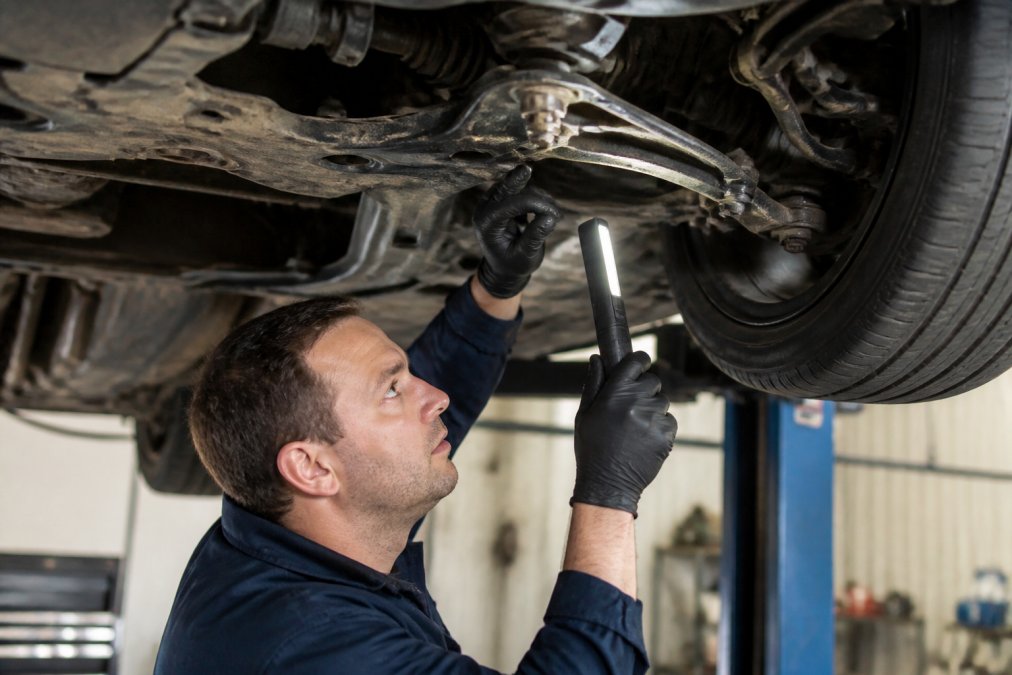
The inspector follows a structured checklist covering all safety-critical systems. They’ll examine your vehicle in a service bay or inspection pit, checking undercarriage components that aren’t visible during normal driving. If the inspector discovers issues, they’ll document them and explain what repairs are needed.
If your vehicle passes on the first attempt, you’ll receive your roadworthy certificate immediately. If it fails, you’ll receive a detailed report listing required repairs. You can then address those items and return for a retest, which typically costs less than the initial inspection.
Steps to Take Before Your Inspection Appointment
Preparation in the days leading up to your inspection appointment significantly increases your chances of passing first time.
Start by washing your vehicle thoroughly. A clean exterior and engine bay creates a professional impression and makes it easier for the inspector to spot any leaks or damage. Remove any loose items from the interior.
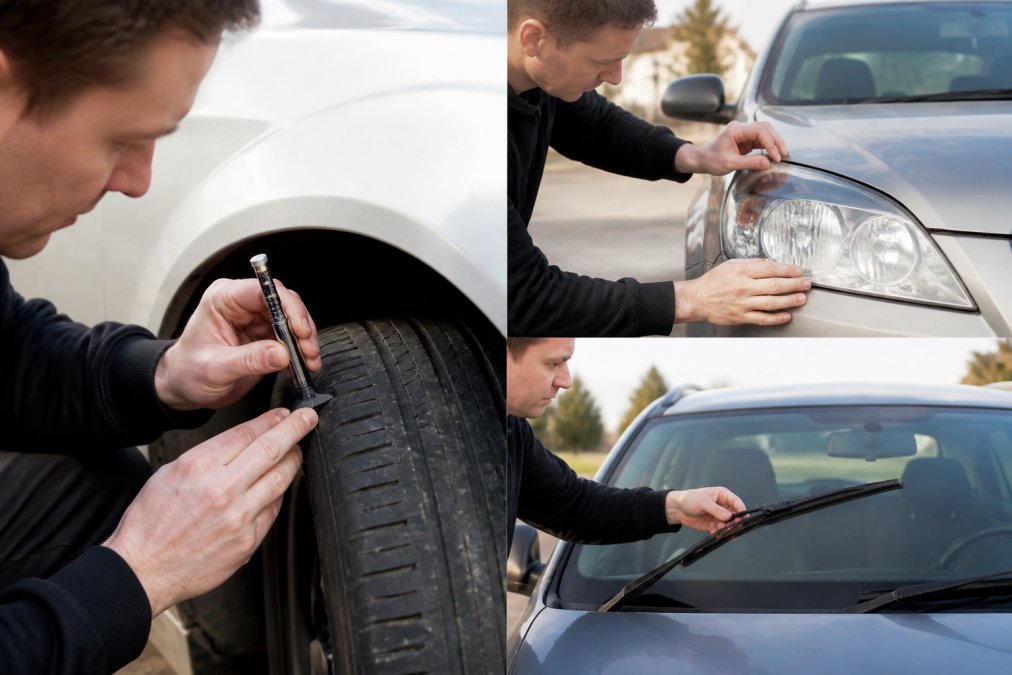
Perform a final walk-around inspection. Turn on all lights and confirm they work. Check your tyres one last time for tread depth and damage. Listen to your brakes and steering during a short test drive. If you notice anything concerning, address it before your appointment rather than discovering it during the inspection.
Ensure your vehicle has adequate fuel so the inspector can test drive it if necessary. Bring your vehicle registration documents and any service records you have. These records demonstrate that you’ve maintained your vehicle regularly, though they’re not required for the inspection itself.
If you’re uncertain about any aspect of your vehicle’s condition, have a pre-inspection check performed by a qualified mechanic. Many automotive service providers offer this as a separate service before the official roadworthy inspection. At Mallee Auto & Agricultural Services in Mildura, our team can identify potential issues and advise you on what needs attention, giving you confidence before the formal inspection.
Arrive at your inspection appointment with realistic expectations. A roadworthy inspection is a safety assessment, not a cosmetic review. Your vehicle doesn’t need to be pristine, it simply needs to meet safety standards.
What Happens If Your Vehicle Fails
A failed roadworthy inspection isn’t the end of the process. You’ll receive a detailed report listing every item that failed to meet standards. The report explains what’s wrong and what repairs are needed to bring your vehicle into compliance.
Review the failure report carefully. Some items may be straightforward fixes, a blown globe, low fluid levels, or a worn tyre. Others may require more substantial work, such as brake system repairs or suspension component replacement. Prioritise safety-critical items, as these directly affect your ability to drive safely.
Once you’ve completed the repairs, you can arrange a retest with the same inspection station. The retest focuses specifically on the items that failed previously, so it typically takes less time and costs less than the initial inspection.
If repairs are extensive or expensive, you might seek a second opinion from another qualified mechanic. Different inspectors may have slightly different interpretations of borderline cases, though safety-critical failures are consistent across all inspectors. Our experienced mechanics can assess whether repairs are truly necessary or if alternative solutions might be more cost-effective.
Keep all repair invoices and receipts. When you return for your retest, the inspector will verify that repairs have been completed to standard. Documentation proves you’ve addressed the issues properly.
Preparing your vehicle for a roadworthy inspection doesn’t require expensive upgrades or extensive work. Focus on the safety fundamentals: functioning lights, safe brakes, adequate tyre tread, and a clean engine bay without obvious leaks. Most vehicles pass their roadworthy inspection when owners address these core areas before the appointment.
If you’re in the Mildura area and want a professional pre-inspection assessment, Mallee Auto & Agricultural Services offers skilled diagnostic checks using modern tools to identify any issues before your official inspection. Our team provides transparent advice about what truly needs repair, ensuring you’re not caught off guard. Book your pre-inspection check today and approach your roadworthy appointment with confidence.
Frequently Asked Questions
What does a roadworthy inspection cover in Victoria?
A roadworthy inspection in Victoria checks your vehicle's safety and roadworthiness across multiple systems: brakes, steering, suspension, tyres, lights, wipers, mirrors, seat belts, and emission controls. Inspectors verify that all components meet the safety standards outlined in the Victorian legislation. The inspection covers both mechanical function and structural integrity to ensure your vehicle is safe to operate on public roads.
What are the most common reasons for roadworthy failure?
The most common reasons for roadworthy failure include worn brake pads or faulty brake systems, bald or damaged tyres with insufficient tread depth, non-functional or misaligned lights, failed emission tests, worn suspension components, damaged windscreens, and missing or damaged seat belts. Many failures also stem from fluid leaks, corroded or loose safety equipment, and steering issues. Addressing these items before your inspection significantly improves your chances of passing.
How long does a roadworthy inspection take?
A typical roadworthy inspection takes between 30 and 60 minutes, depending on your vehicle's age, condition, and complexity. Older vehicles or those with multiple systems requiring detailed checks may take closer to an hour. Modern vehicles with straightforward maintenance records often pass more quickly. Allow extra time if the inspector identifies issues requiring further investigation or if repairs become necessary before your vehicle can be certified.
Can I fail a roadworthy inspection and still drive my vehicle?
If your vehicle fails its roadworthy inspection, you cannot legally register it until you address the identified defects and pass a re-inspection. However, you may be permitted to drive it directly to a repair facility to have the work completed. Check with your local transport authority for specific rules about driving a failed vehicle. Once repairs are done, you'll need to return for a re-inspection before your vehicle can be registered and legally driven on public roads.
This article was written using GrandRanker
