
Table of Contents
- What Is a Minor Car Service?
- Minor Car Service Checklist: What Gets Inspected and Replaced
- Minor vs Major Car Service: Key Differences
- How Long Does a Minor Car Service Take?
- Car Service Cost in Australia: What Affects Your Quote
- Why Regular Minor Services Matter for Vehicle Safety and Longevity
- What Happens After Your Minor Service Inspection
- Frequently Asked Questions
Last Updated: October 17, 2026
What Is a Minor Car Service?
A minor car service is a routine maintenance check that keeps your vehicle running smoothly and safely without major repairs or component replacements. It typically includes oil and filter changes, fluid level checks, brake inspections, tyre assessments, and basic safety checks. Most vehicle manufacturers recommend a minor car service every 6 to 12 months or between 5,000 and 15,000 kilometres, depending on your vehicle’s age and driving conditions.
The purpose of a minor car service is preventative. By catching small issues early, worn brake pads, low coolant levels, or tyre pressure problems, you avoid costly breakdowns and extend your vehicle’s lifespan. Regular minor servicing keeps vehicles reliable and roadworthy, especially in regional areas where access to roadside assistance can be limited.
Think of a minor car service as the difference between a quick health check and major surgery. You’re not overhauling systems; you’re inspecting them, topping up fluids, and replacing wear items before they fail. This approach keeps repair costs predictable and your vehicle dependable.
Minor Car Service Checklist: What Gets Inspected and Replaced
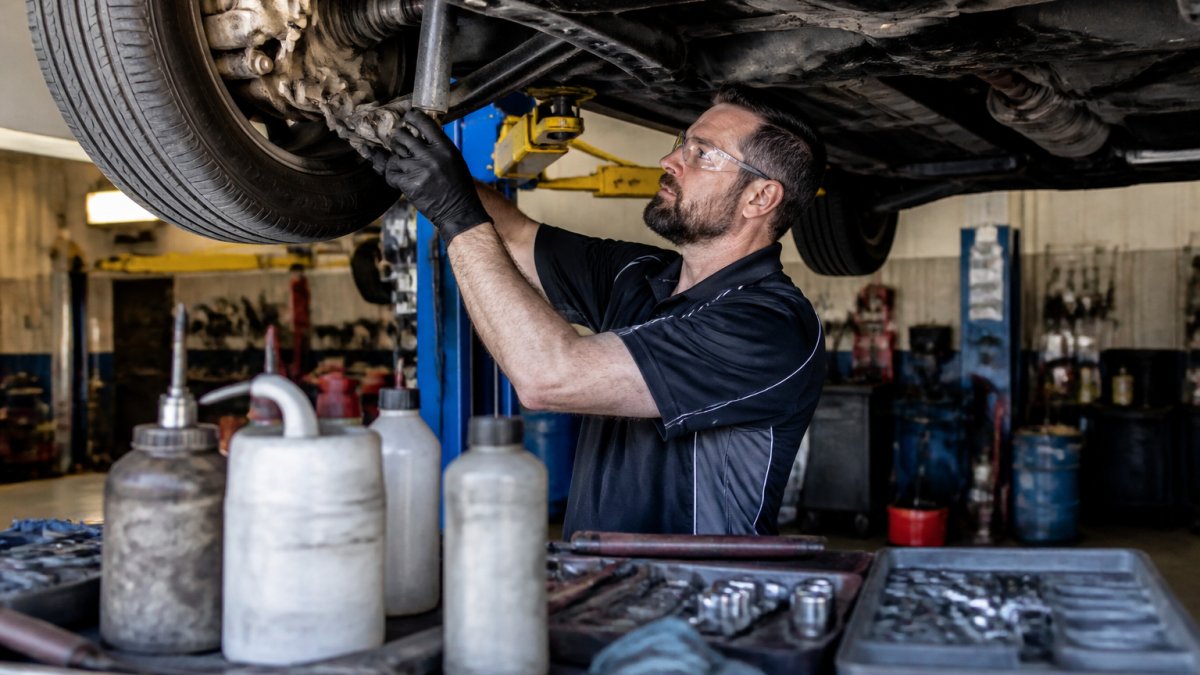
A comprehensive minor car service follows a structured checklist to ensure nothing is overlooked. The most useful way to read that checklist is to separate items into four groups: what is routinely replaced, what is inspected, what is measured, and what is only replaced if the inspection shows it is needed. That distinction matters because it tells you what you are paying for as a standard inclusion and what may generate an additional approval request.
Routinely replaced in a minor service
These items are normally replaced as part of the standard minor service price:
- Engine oil, drained and replaced with oil meeting the manufacturer’s specification.
- Oil filter, replaced with a new filter every oil change.
- Sump plug washer, a small crush washer that seals the drain plug and is replaced to prevent leaks.
Inspected and topped up
These fluids and components are checked for level and condition, and topped up if low:
- Coolant, level and condition checked; topped up if low. Discoloured or contaminated coolant may prompt a flush recommendation.
- Brake fluid, level checked; condition assessed. Brake fluid absorbs moisture over time and can lose effectiveness.
- Power steering fluid, level checked on hydraulic systems.
- Windscreen washer fluid, topped up.
- Battery, terminals and mounting checked; battery condition tested where equipment allows.
- Drive belts, condition and tension inspected.
- Hoses, visual check for cracks, swelling, or leaks.
Measured
These items are measured against a specification rather than simply looked at:
- Tyre tread depth, measured against the Australian legal minimum of 1.6 mm; many workshops recommend replacement at 3 mm for wet-weather safety.
- Tyre pressures, set to the manufacturer’s recommended PSI, usually found on a placard inside the driver’s door frame.
- Brake pad thickness, measured against the manufacturer’s minimum specification.
- Brake rotor condition, checked for scoring, warping, or thickness below specification.
Only replaced if needed
These items are inspected and replaced only when condition or service life indicates it:
- Engine air filter, replaced if visibly dirty or past its service interval.
- Cabin air filter, replaced if clogged or past its service interval.
- Windscreen wipers, replaced if streaking or not clearing effectively.
- Brake pads and rotors, replaced only if worn below specification.
- Bulbs, replaced only if failed.
Ask your workshop for the checklist in writing before you authorise the service. A clear checklist lets you see exactly what is included in the quoted price and what would be an additional cost.
Lights and safety checks
All external lights, headlights, tail lights, brake lights, indicators, and reversing lights, are tested. Interior lights, dashboard warning lights, and instrument cluster illumination are also checked. Windscreen wipers are inspected, and the windscreen itself is assessed for chips or cracks.
What varies between vehicles
The exact checklist is not identical for every car. A diesel vehicle may have a fuel filter interval that falls due at the same time as a minor service. A vehicle with a timing belt may have an inspection item that a chain-driven engine does not. Always check the manufacturer’s schedule for your make, model, and year, the workshop should follow it, and the checklist above is a guide to what is typically included, not a substitute for your vehicle’s specific requirements.
Minor vs Major Car Service: Key Differences
Understanding the distinction between a minor car service and a major car service helps you plan maintenance and budget accordingly. Both are essential, but they serve different purposes.
A minor car service focuses on routine maintenance: oil changes, fluid checks, filter replacements, and basic inspections. It typically takes 1 to 2 hours and is performed more frequently, usually every 6 to 12 months or at set kilometre intervals.
A major car service includes everything in a minor service plus more extensive work: transmission fluid checks and changes, coolant system flush, spark plug replacement, suspension component inspection, and more thorough diagnostic checks.
The key difference is depth and scope. A minor car service keeps your vehicle ticking over between major services. A major service addresses wear items and systems that degrade more slowly. Skipping minor services leads to problems that compound and turn into expensive major repairs. Regular minor servicing is the most cost-effective way to maintain roadworthiness and avoid breakdowns.
How Long Does a Minor Car Service Take?
Most minor car services take between 1 and 2 hours from start to finish. The exact time depends on your vehicle’s make and model, the condition of components, and whether any additional issues are discovered during inspection.
A straightforward oil and filter change, fluid top-ups, and basic checks might take 45 minutes to 1 hour. If brake pads need replacement, a filter change is more involved, or the technician discovers something requiring attention, the service extends to 1.5 to 2 hours.
We understand that downtime costs money, especially for farmers and business owners in the Mallee region who rely on their vehicles or machinery. We work efficiently to get you back on the road without rushing quality checks.
Car Service Cost in Australia: What Affects Your Quote
Several factors influence the cost of a minor car service in Australia. Understanding these helps you anticipate expenses and assess quotes fairly, and in a regional centre like Mildura, where distances are long and dust and heat are constant, some factors carry more weight than they would in a capital city.
Vehicle make and model: Luxury or imported vehicles often cost more to service due to specialised parts and labour rates.
Oil type and quantity: Conventional oil is the least expensive option. Semi-synthetic costs more, and full synthetic is the priciest. Your owner’s manual specifies which type your engine requires.
Parts and labour rates: Regional variations exist. Service centres in major cities often charge more than regional workshops, but regional workshops may need to pass on freight costs for parts.
Additional work discovered: If the inspection reveals worn brake pads, a clogged air filter, or low fluid levels requiring top-ups, these additions increase the total cost.
Warranty and service history: Vehicles still under manufacturer warranty may require servicing at authorised dealers or by workshops that follow the manufacturer’s schedule and use specified parts to maintain coverage.
How to compare quotes fairly
When you receive quotes for a minor car service, compare them on these points rather than on the headline price alone:
- What is included, does the quote list the oil and filter, the sump plug washer, and the specific fluid top-ups?
- Oil specification, is the quoted oil the grade and type your manufacturer specifies?
- What is inspected versus replaced, a low quote may inspect filters but not replace them.
- Additional work policy, will the workshop call you for approval before doing extra work, and will it provide an itemised estimate?
- Record keeping, will you receive a written report suitable for your service history and warranty records?
A quote that is significantly lower than others may exclude items such as the sump plug washer, cabin filter inspection, or a written report. Ask what is excluded before you book.
For specific pricing on a minor car service in Mildura, contact Mallee Auto & Agricultural Services directly or visit our pricing page. We offer fair, transparent quotes with no hidden charges, and we provide pensioner discounts.
Why Regular Minor Services Matter for Vehicle Safety and Longevity
Regular minor car servicing is not optional maintenance, it’s essential for safety and reliability. A vehicle that’s regularly serviced is less likely to break down unexpectedly, especially important in rural areas where help may be hours away.
Properly maintained brakes, tyres, and lights directly affect your safety and the safety of others on the road. Low brake fluid, worn brake pads, or underinflated tyres compromise stopping ability. Faulty lights make your vehicle invisible to other drivers in low-light conditions.
Engine oil that’s old or low causes friction and heat, accelerating wear on engine components. Coolant that’s low or contaminated leads to overheating and potential engine failure. Filters that are clogged reduce efficiency and performance. Each of these issues, left unaddressed, compounds into expensive repairs or complete vehicle failure.
From a financial perspective, a minor car service every 6 to 12 months costs far less than major repairs or engine replacement. A $200 to $400 minor service prevents a $2,000 to $5,000 repair.
What Happens After Your Minor Service Inspection
After your minor car service is completed, you should receive a detailed report of what was done, what was checked, and what condition each component is in. This report serves as a record for your service history and warranty compliance.
If additional work was recommended, brake pad replacement, filter changes, or fluid flushes, the report explains why and provides an estimate for that work.
Our commitment to complete satisfaction means you can trust that the service was done properly and thoroughly.
Keep your service records. They document maintenance history, support warranty claims, and provide evidence of roadworthiness if you’re ever questioned by authorities. Digital or paper copies are equally valid, but having them is essential.
Regular minor car servicing keeps your vehicle safe, reliable, and efficient. If your vehicle is due for a service or you’re unsure when it was last serviced, Mallee Auto & Agricultural Services in Mildura is ready to help.
Frequently Asked Questions
What is included in a minor car service?
A minor car service includes engine oil and filter replacement, fluid level checks (coolant, brake fluid, power steering fluid, windscreen washer), brake inspection, tyre condition and pressure checks, lights verification, and air and cabin filter inspection. The exact items may vary by vehicle manufacturer and model, so always check your logbook for scheduled maintenance requirements specific to your car.
How often should I book a minor car service?
Most manufacturers recommend a minor car service every 6 months or 10,000 kilometres, whichever comes first. However, this varies by vehicle type and driving conditions. Check your vehicle’s logbook or owner’s manual for the manufacturer’s recommended service schedule. Regular servicing maintains roadworthiness and preserves your vehicle’s warranty.
What’s the difference between a minor car service and a major service?
A minor car service covers routine maintenance like oil changes, fluid checks, and basic inspections. A major service includes everything in a minor service plus additional work such as spark plug replacement, transmission fluid check, suspension component inspection, and more extensive diagnostics. Major services typically occur every 12 months or 20,000 kilometres.
How long does a minor car service take?
A typical minor car service takes between 1 and 2 hours, depending on your vehicle type and condition. Factors affecting duration include vehicle accessibility, whether any components need replacement beyond standard items, and current workshop capacity. Always confirm the expected timeframe when booking your service appointment.
What factors affect car service cost in Australia?
Service costs depend on your vehicle’s make and model, age, current condition, parts availability, and whether additional repairs are identified during inspection. Labour rates vary by location and service provider. For a transparent quote tailored to your vehicle, contact your service provider directly with your vehicle’s details and service history.
Does a minor car service include an oil and filter change?
Yes, engine oil and oil filter replacement are core components of a minor car service. Fresh oil keeps your engine running smoothly and efficiently, while a new filter removes contaminants. This is one of the most important maintenance tasks for vehicle longevity and performance.
