
Table of Contents
- 1. Engine Oil and Oil Filter Replacement
- 2. Fluid Level Checks and Top-Ups
- 3. Brake System Inspection and Replacement
- 4. Tyre Condition, Pressure, and Wear Assessment
- 5. Battery Health and Electrical System Check
- 6. Air, Fuel, and Cabin Filter Replacement
- 7. Belts, Hoses, and Suspension Inspection
- What Is Included in a Major Car Service
- Frequently Asked Questions
Last Updated: October 21, 2026
1. Engine Oil and Oil Filter Replacement
Engine oil and oil filter replacement is one of the most critical components of major car service inclusions. Fresh oil reduces friction, removes contaminants, and maintains proper temperature. During a major service, your mechanic drains the old oil, replaces the filter, and refills with the manufacturer-recommended grade and viscosity.
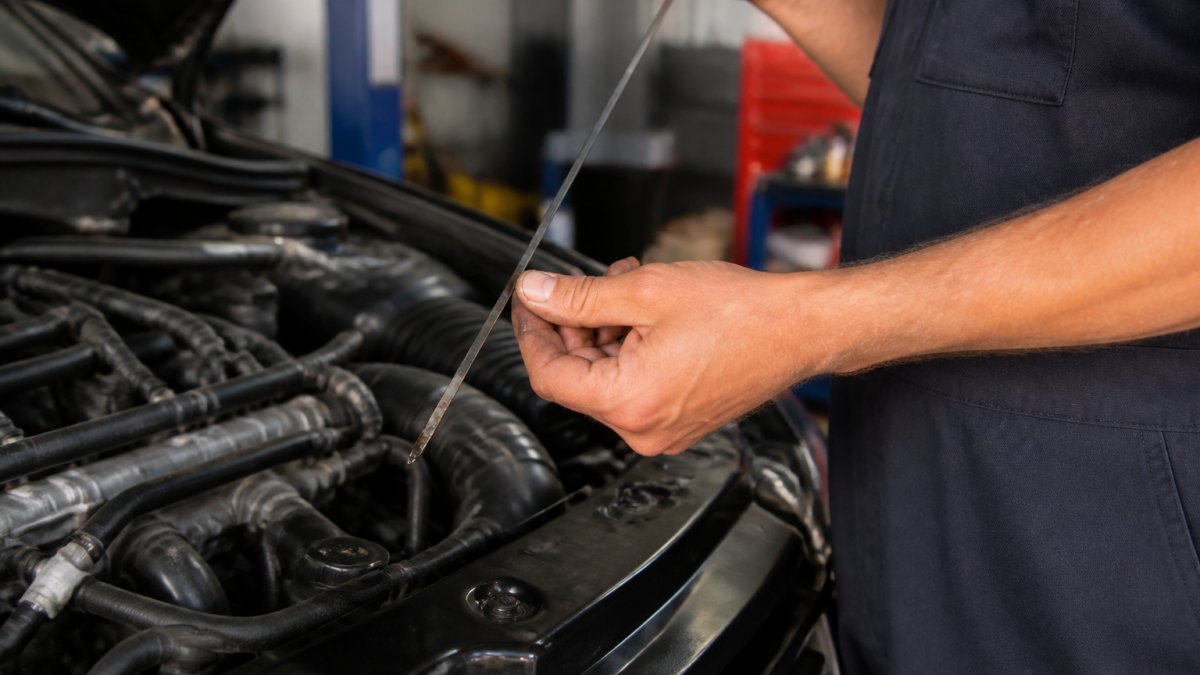
The oil filter traps particles that circulate through the engine; a clogged filter reduces oil flow and can damage components. Most manufacturers recommend oil changes every 10,000 to 15,000 kilometres, though this varies by model and driving conditions.
At Mallee Auto & Agricultural Services, we use modern diagnostic tools to verify oil condition before recommending replacement intervals, and we check that the correct oil grade is used for your vehicle. The wrong viscosity can reduce fuel efficiency or cause engine strain in our local climate.
Don’t assume all oil is the same. Your vehicle’s logbook specifies the exact grade required. Using a cheaper alternative might void your warranty and could damage the engine over time.
2. Fluid Level Checks and Top-Ups
A major car service includes inspection and topping up of all critical fluids. Your mechanic checks levels, colour, and condition to catch problems before they become expensive repairs.
Brake Fluid
Brake fluid transfers pressure from your pedal to the brake calipers. Over time it absorbs moisture, lowering its boiling point and compromising braking. During a major service, your mechanic checks the fluid level and colour; dark or cloudy fluid indicates contamination and may require a complete flush.
Brake fluid should be clear or slightly amber; brown or black means moisture has accumulated. This matters in areas like Mildura, where seasonal temperature swings stress hydraulic systems. Checking brake fluid is safety-critical and should never be skipped.
Transmission and Power Steering Fluid
Transmission fluid lubricates internal components and provides hydraulic pressure for gear changes. Power steering fluid transmits pressure from the pump to the steering rack so you can steer without excessive effort. Both degrade over time and require regular inspection.
Your mechanic checks transmission fluid colour and smell: red or pink is healthy, while brown or burnt-smelling fluid suggests overheating or contamination. Power steering fluid follows the same process; low or discoloured fluid can make steering stiff or unresponsive, creating a safety hazard.
Coolant and Antifreeze
Coolant circulates through the engine to absorb heat and prevent overheating, and its antifreeze agents protect the engine in cold conditions. Over time it loses its protective properties and can become acidic, corroding internal components. A major service includes checking coolant level, colour, and concentration.
Healthy coolant is bright green, orange, or blue depending on formulation; rusty brown indicates corrosion inside the cooling system. Low levels can cause overheating that damages the head gasket and cylinder head. In Mildura’s hot climate, proper coolant levels are essential during summer.
3. Brake System Inspection and Replacement
The brake system is safety-critical, and a major service includes thorough inspection of all brake components. Your mechanic checks brake pads for wear, brake discs for damage, and brake lines for leaks or corrosion, and verifies brake fluid condition.
Brake pads wear gradually, and while most vehicles have wear indicators, a major service allows early detection. Worn pads reduce braking power and can damage the discs if left too long, so your mechanic measures pad thickness and recommends replacement if needed.
Brake discs can become warped, cracked, or scored from heavy braking or prolonged use, reducing braking efficiency and causing vibration. A major service includes visual and physical inspection of front and rear discs; if replacement is needed, your mechanic explains the condition and provides a separate quote first.
Brake system problems are safety-critical. If your mechanic identifies worn pads or damaged discs during a major service, address these immediately. Delaying brake work can lead to complete brake failure, putting you and other road users at serious risk.
Brake lines carry pressurised fluid throughout the system, and corrosion, cracks, or leaks reduce braking power. Your mechanic inspects the lines visually and checks for fluid seepage; if corrosion is found, replacement is essential.
4. Tyre Condition, Pressure, and Wear Assessment
Tyre condition affects safety, fuel efficiency, and handling. A major car service includes checking tyre pressure, measuring tread depth, and inspecting for damage or uneven wear. Properly maintained tyres last longer and reduce the risk of blowouts or loss of traction.
Tyre pressure should match the manufacturer’s recommendation, listed on a sticker inside the driver’s door frame or in your manual. Underinflation increases rolling resistance, reduces fuel efficiency, and wears the outer edges; overinflation wears the centre and reduces grip. Your mechanic adjusts pressure to specification.
Legal minimum tread depth in Australia is 1.6 mm, but safety experts recommend replacing tyres at 3 mm. Worn tyres reduce wet grip and increase braking distance, so your mechanic measures tread depth and flags tyres approaching the replacement threshold.
Uneven wear patterns indicate suspension or alignment problems. Faster wear on the inner or outer edge suggests misalignment; faster wear on one side suggests worn or damaged suspension. Your mechanic notes these patterns and recommends alignment or suspension inspection if needed.
Check your tyre pressure monthly and before long trips. Proper inflation is the single easiest way to extend tyre life and improve fuel efficiency. A major service is a good time to verify that all four tyres are at the correct pressure.
5. Battery Health and Electrical System Check
Your battery powers the starter motor, ignition system, and all electrical accessories. A major service includes testing battery voltage and checking the charging system. Battery failure leaves you stranded, so early detection is valuable.
Your mechanic uses a battery tester to measure voltage and charging rate. A healthy battery measures around 12.6 volts with the engine off and 13.5 to 14.5 volts when running; low voltage indicates a weak battery that may fail soon. The charging test confirms the alternator generates enough power while driving.
Battery terminals should be clean and free of corrosion, which reduces electrical contact and can prevent proper charging. Your mechanic cleans terminals if needed and checks that cables are secure, since loose connections cause intermittent electrical problems that are hard to diagnose.
The electrical system also includes the starter motor, alternator, and wiring. During a major service, your mechanic checks that all components function correctly, including lights, wipers, and other accessories.
6. Air, Fuel, and Cabin Filter Replacement
Filters prevent contaminants from entering critical systems: the engine air filter stops dust and debris entering the engine, the fuel filter keeps tank particles from the injectors, and the cabin filter keeps dust and pollen out of the interior. All three are typically replaced during a major service.
A clogged engine air filter reduces airflow, increasing fuel consumption and reducing power. Replacement is straightforward and inexpensive compared to engine damage from running without a filter. Your mechanic inspects the air filter and recommends replacement if it’s visibly dirty or clogged.
The fuel filter protects fuel injectors from contamination. A clogged fuel filter reduces fuel flow to the engine, causing hesitation or rough running. Replacement intervals vary by vehicle, but a major service is a good time to replace it if it’s due.
The cabin filter removes dust, pollen, and other particles from the air entering through the ventilation system. A clean cabin filter improves air quality inside the vehicle and helps the air conditioning system work more efficiently.
7. Belts, Hoses, and Suspension Inspection
Belts and hoses carry coolant, power steering fluid, and air through the engine bay. They also drive accessories like the alternator and air conditioning compressor. Over time, rubber deteriorates from heat and age, causing cracks, leaks, or failure.
The serpentine belt (or drive belt) is a long rubber belt that drives multiple engine accessories. If it breaks, the alternator stops charging the battery, the water pump stops circulating coolant, and the air conditioning stops working. Your mechanic will check for cracks, fraying, or glazing.
Hoses carry coolant, power steering fluid, and other fluids throughout the engine. Deteriorated hoses can leak, causing fluid loss and overheating. Your mechanic will squeeze hoses to check for hardness or brittleness, which indicates age-related degradation. Soft, pliable hoses are healthy. Hard or cracked hoses should be replaced.
Suspension components include shock absorbers, struts, springs, and anti-roll bar links. These parts absorb bumps and keep the wheels in contact with the road. Worn suspension components reduce handling, increase braking distance, and create a rough ride.
Vehicle owners in Mildura who drive regularly on rural roads should pay particular attention to suspension inspection. Rough roads accelerate wear on suspension components, and early detection prevents costly damage.
What Is Included in a Major Car Service
A major car service is a comprehensive inspection and maintenance package that goes beyond routine oil changes, and understanding major car service inclusions helps you know what to expect.
Your logbook specifies service intervals and what should be checked or replaced at each service. Following the manufacturer’s schedule ensures your vehicle runs safely and efficiently, and it maintains your warranty coverage.
| Service Component | Inspection | Replacement | Why It Matters |
|---|---|---|---|
| Engine oil and filter | Check level and colour | Yes | Lubricates engine, removes contaminants |
| Brake fluid | Check level and colour | As needed | Ensures responsive braking |
| Transmission fluid | Check level and colour | As needed | Keeps gearbox running smoothly |
| Coolant | Check level and colour | As needed | Prevents overheating |
| Brake pads and discs | Measure wear | If worn | Safety-critical |
| Tyres | Check pressure and tread | If worn | Grip and handling |
| Battery | Test voltage | If weak | Reliable starting |
| Air, fuel, cabin filters | Inspect condition | Yes | Engine protection and air quality |
| Belts and hoses | Inspect for damage | If deteriorated | Prevents breakdowns |
| Suspension | Check for wear | If damaged | Handling and safety |
A major service typically takes 2 to 4 hours depending on your vehicle and what needs to be replaced.
At Mallee Auto & Agricultural Services, we provide transparent communication throughout the service process. If additional work is needed beyond the standard major service checklist, we explain what’s required and provide a separate quote before proceeding.
Many vehicle owners worry about being sold unnecessary work. The best defence is understanding what a major service should include.
A major car service is an investment in your vehicle’s reliability and safety. Book your major service with Mallee Auto & Agricultural Services and experience the difference that skilled mechanics, modern diagnostic tools, and transparent pricing can make for your vehicle.
Frequently Asked Questions
What is included in a major car service?
A major car service includes oil and filter replacement, comprehensive fluid checks (brake, transmission, power steering, coolant), brake pad and disc inspection, tyre condition and pressure assessment, battery health check, air and cabin filter replacement, and inspection of belts, hoses, suspension components, and electrical systems. The exact scope depends on your vehicle’s logbook schedule and manufacturer recommendations. Always request a written checklist before work begins to confirm what will be inspected versus replaced.
How much does a major car service cost?
Major car service costs vary depending on your vehicle make and model, parts required, and labour time. For current pricing, visit the Mallee Auto & Agricultural Services pricing page or contact the workshop directly for a quote tailored to your specific vehicle. Pensioner discounts are available. Transparent pricing means you’ll receive an estimate before approval for any additional work beyond the standard service checklist.
How long does a major car service take?
A typical major car service takes 2-4 hours, depending on your vehicle type and any additional repairs identified during inspection. Modern diagnostic tools help identify issues quickly, reducing guesswork. The workshop should confirm the expected duration when you book and notify you of any delays or unexpected work needed before proceeding with repairs.
Should I follow my vehicle’s logbook service schedule?
Yes. Your vehicle’s logbook specifies manufacturer-recommended service intervals and maintenance tasks. Following the logbook schedule maintains warranty coverage, ensures safety-critical systems are checked regularly, and helps prevent costly breakdowns. Major services typically occur every 40,000-80,000 kilometres or annually, whichever comes first. Check your logbook for your vehicle’s specific intervals.
What’s the difference between inspecting and replacing during a service?
Inspection means the mechanic checks the component’s condition and reports findings; replacement means the component is removed and a new one installed. A major service includes both: fluids are topped up or replaced, filters are replaced, and components like brake pads, belts, and hoses are inspected and replaced only if wear or damage is found. Ask the workshop to itemise what’s included versus what’s conditional so you understand approval requirements for any extra work.
