
Quick Summary
The clearest signs you need an urgent oil change are a red oil-pressure warning light, a low dipstick reading, dark or gritty oil, and knocking from the engine. A red oil-pressure light means you should stop driving at once. Dusty roads, short trips and summer heat can wear oil out before the scheduled service date.
- A red oil-pressure light means pulling over and switching the engine off as soon as it is safe.
- Check the dipstick when the engine is cool or rested, reading the level between the minimum and maximum marks.
- Dark, gritty or milky oil needs changing even if the level looks normal.
- Dust, short trips and heavy towing in hot weather can break down oil faster than the logbook suggests.
- If the level keeps dropping between checks, book an inspection for a leak rather than just topping up.
Table of Contents
- Why Oil Changes Matter More Than You Think
- How to Check Engine Oil Level Safely at Home
- Warning Lights That Signal an Urgent Oil Change
- Engine Sounds, Smells and Smoke That Point to Low Oil
- Engine Oil Leak Symptoms You Should Not Ignore
- How Often to Change Engine Oil and Why Urgency Differs From Routine Service
- Booking Your Urgent Oil Change at Mallee Auto & Agricultural Services
- Frequently Asked Questions
Why Oil Changes Matter More Than You Think
Engine oil does far more than lubricate. It cools moving parts, carries away debris, and helps seal the engine. When oil runs low or breaks down, metal starts grinding on metal, and the damage builds quickly. Drivers often only notice the problem once a warning light or an unusual noise appears, by which point the engine may already be suffering wear.
Many drivers assume that a service interval on a sticker or in the logbook covers every situation. It doesn’t. Hot summers, short trips, dusty farm tracks and heavy loads all shorten the life of engine oil. That is why an urgent oil change can be needed well before the next scheduled service.
How to Check Engine Oil Level Safely at Home
Checking your oil takes about five minutes and needs no special tools. Park on level ground and let the engine sit for a few minutes after a drive so the oil drains back into the sump.
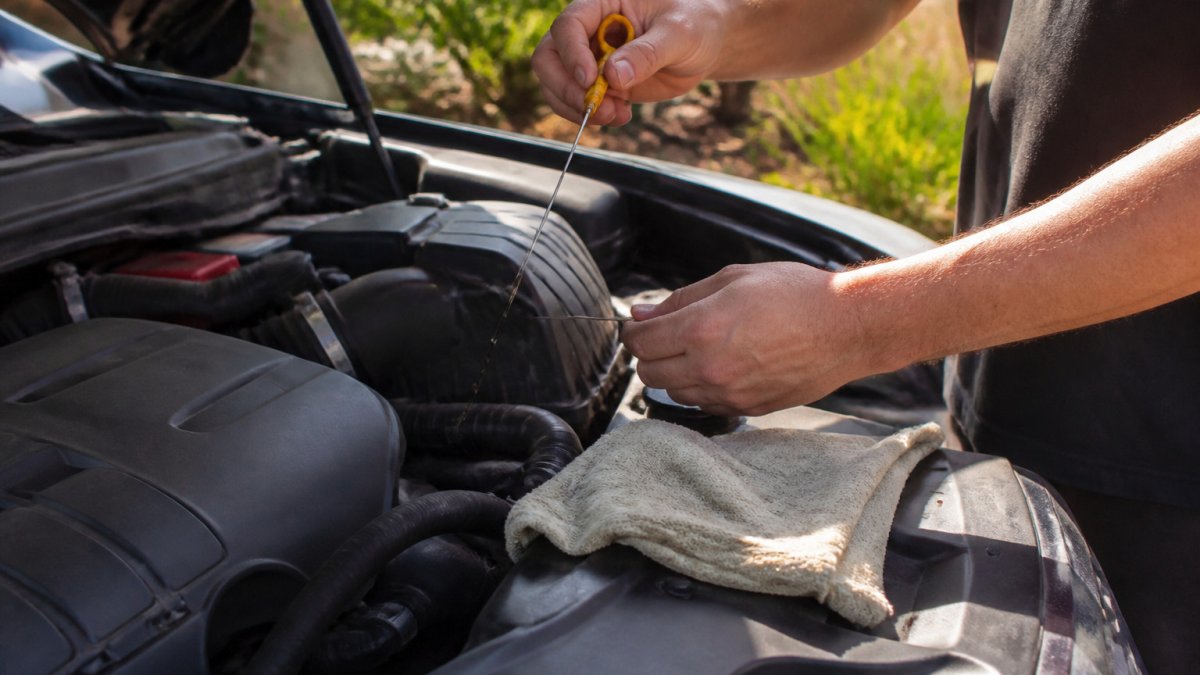
- Locate the dipstick, usually marked with a yellow or orange handle.
- Pull it out, wipe it clean with a lint-free rag, and reinsert it fully.
- Pull it out again and read the level between the minimum and maximum marks.
- Check the colour and texture. Fresh oil is amber and translucent. Dark, gritty or milky oil points to a problem.
Only check the engine when it is cool or has rested, and never work near a hot exhaust. If the level sits below the minimum mark, top up with the grade specified in your owner’s manual before driving further.
Level versus condition. The dipstick tells you two things: how much oil is in the sump and what condition it is in. A full sump of black, gritty oil still needs changing. A low sump of clean oil still needs topping up and a leak check. Read both, not just the level.
Choosing the right grade. The owner’s manual lists the correct viscosity (for example 5W-30 or 10W-40) and any manufacturer specification. Do not substitute a different grade because it is on special. In hot summers, the manual’s hot-weather recommendation matters more than a winter-grade top-up.
Mildura conditions that change the reading. Dust from farm tracks and roadworks can load the oil with grit, which shows as a gritty feel between your fingers. Short stop-start trips around town prevent the engine reaching full temperature, so moisture and fuel can accumulate and turn the oil milky. Towing or heavy loads in summer heat accelerate breakdown. If any of these apply, check the level more often than the logbook suggests and bring the next service forward.
Keep a clean rag and the correct top-up oil in the boot. Carrying the manual-specified grade lets you top up safely if the level drops between services.
If the dipstick reads consistently low between checks, or the oil looks milky or smells strongly of fuel, book an inspection rather than simply topping up. Those can be signs of a leak or another fault that a top-up will not fix.
Warning Lights That Signal an Urgent Oil Change
Dashboard lights are the fastest way to tell whether an oil problem is urgent or simply due. Not all oil-related lights mean the same thing, and treating them as interchangeable can turn a cheap fix into an engine rebuild.
Red oil-pressure warning (oil can symbol, often with ‘OIL PRESSURE’ text): This is the most urgent light on the dash. It means the engine is not building enough oil pressure to lubricate bearings, camshafts and lifters. Pull over as soon as it is safe, switch off the engine and do not restart it until the level has been checked. Read the signs that point to immediate engine diagnostics to see when a warning needs a full check. Continuing to drive with a red oil-pressure light can destroy an engine in minutes, not kilometres.
Amber low-oil or oil-level warning: This usually means the sump is below the safe level. It is less immediately dangerous than a red pressure light, but it still warrants stopping at the next safe place, checking the dipstick and topping up with the grade listed in your owner’s manual before driving further.
Service reminder or ‘oil change due’ message: This is a countdown to the scheduled interval, not a fault. Book a service soon rather than immediately, unless the message is accompanied by a red light, a knocking noise or a burning smell.
If the red oil-pressure light stays on after a top-up, do not keep driving. A failed oil pump, a blocked pickup or a serious leak can hold pressure down even with a full sump. Arrange a tow or a mechanic rather than risk the engine.
In Mildura’s summer heat, oil thins faster and pressure can drop more quickly when the level is low. A light that flickers on a hot day at idle is an early warning, not a quirk to ignore. Have it inspected before the next long drive or towing trip. Check what an engine diagnostics visit costs in Mildura before you book.
If you are unsure which light you are seeing, check the owner’s manual symbol chart before you drive. Guessing is the expensive option.
The dashboard lights below show how urgent an oil problem is, so you can tell a due service from a serious fault.
| Warning light | Meaning | Urgency |
|---|---|---|
| Red oil-pressure (oil can symbol) | Engine not building enough oil pressure | Pull over, switch off engine |
| Amber low-oil or oil-level | Sump below safe level | Stop at next safe place, top up |
| Service reminder message | Countdown to scheduled interval | Book service soon, not immediately |
Engine Sounds, Smells and Smoke That Point to Low Oil
Low oil often announces itself through sound. A ticking or knocking from the top of the engine, especially on a cold start, can mean the valves or lifters aren’t getting enough lubrication. A louder, deeper rattle under load deserves immediate attention.
A burning oil smell or thin blue smoke from the exhaust suggests oil is reaching areas where it shouldn’t, often because the engine is worn or the oil is too old. White smoke is different and can point to coolant, so it is worth having a mechanic look at it rather than guessing.
Engine Oil Leak Symptoms You Should Not Ignore
Oil leaks are often easy to spot. Look for dark patches on the driveway, oily residue around the engine bay, or a burning smell after driving. Leaks from gaskets or seals tend to worsen over time, and a small drip can quickly become a major loss of oil.
Check the level after every few fuel stops if you suspect a leak. A steadily dropping dipstick reading is a clear reason to book an inspection rather than waiting for the next service.
How Often to Change Engine Oil and Why Urgency Differs From Routine Service
Routine service intervals are set by the manufacturer and usually follow distance or time, whichever comes first. A routine change is planned maintenance. An urgent change is needed because the oil has already degraded or the level has dropped too low.
Dusty roads, heavy towing and stop-start driving around town can all make oil break down faster than the schedule assumes. Your owner’s manual and your service records are the best places to confirm the right interval for your vehicle.
Skipping a routine service often leads to an urgent one later, which costs more and risks engine wear. See what skipping car service can cost you over time. Booking regular servicing keeps the oil fresh and reduces the chance of an emergency.
Booking Your Urgent Oil Change at Mallee Auto & Agricultural Services
If any of the signs above apply to your vehicle, do not wait. Mallee Auto & Agricultural Services provides automotive repair and maintenance in Mildura, with skilled mechanics who use modern diagnostic tools to find the cause of a problem. Pricing is transparent, with no hidden charges, and pensioner discounts are available.
Contact Mallee Auto & Agricultural Services through its website to arrange a check or an urgent oil change. See emergency car repair services in Mildura if you need help right away. Booking early can help catch a minor problem before it becomes an expensive repair. Compare affordable car service options in Mildura to choose the right visit.
Frequently Asked Questions
What are the warning signs that your car needs an oil change urgently?
The most urgent signs are the oil pressure warning light staying on, a ticking or knocking noise from the engine, a burning oil smell, blue or grey exhaust smoke, and oil that looks black, gritty or milky on the dipstick. Any of these means the oil is no longer protecting the engine properly. Stop driving as soon as it is safe, check the oil level, and arrange a workshop inspection before going further. Waiting risks metal-on-metal wear that can turn a routine service into an expensive engine repair.
Can I drive my car if the oil warning light is on?
No. A lit oil pressure warning light means the engine may not be getting enough lubrication. Pull over safely, switch off the engine and check the oil level with the dipstick once the engine has cooled for a few minutes. If the level is low, top up with the correct grade if you have it, but still have the car inspected. If the level is fine and the light stays on, the car needs a mechanic before it is driven again.
What does an engine sound like when the oil is low?
Low oil often produces a louder mechanical tapping or ticking from the top of the engine, particularly when cold, and sometimes a knocking under load. The noise is caused by components running with insufficient lubrication. It typically gets louder as the engine warms and accelerates. Any new or changing engine noise should be checked promptly, as continued operation can cause bearing or valvetrain damage.
How often should I change my engine oil in Australia?
Intervals vary by vehicle and oil type, so the figures in your owner’s manual or service book are the reliable guide. Check your owner’s manual or service book for the specified interval. Driving in hot Mildura summers, towing, or frequent short trips can justify changing the oil sooner than the standard schedule. Pricing for an oil change varies by vehicle and oil specification, so contact Mallee Auto & Agricultural Services or check the website for a current quote.

